
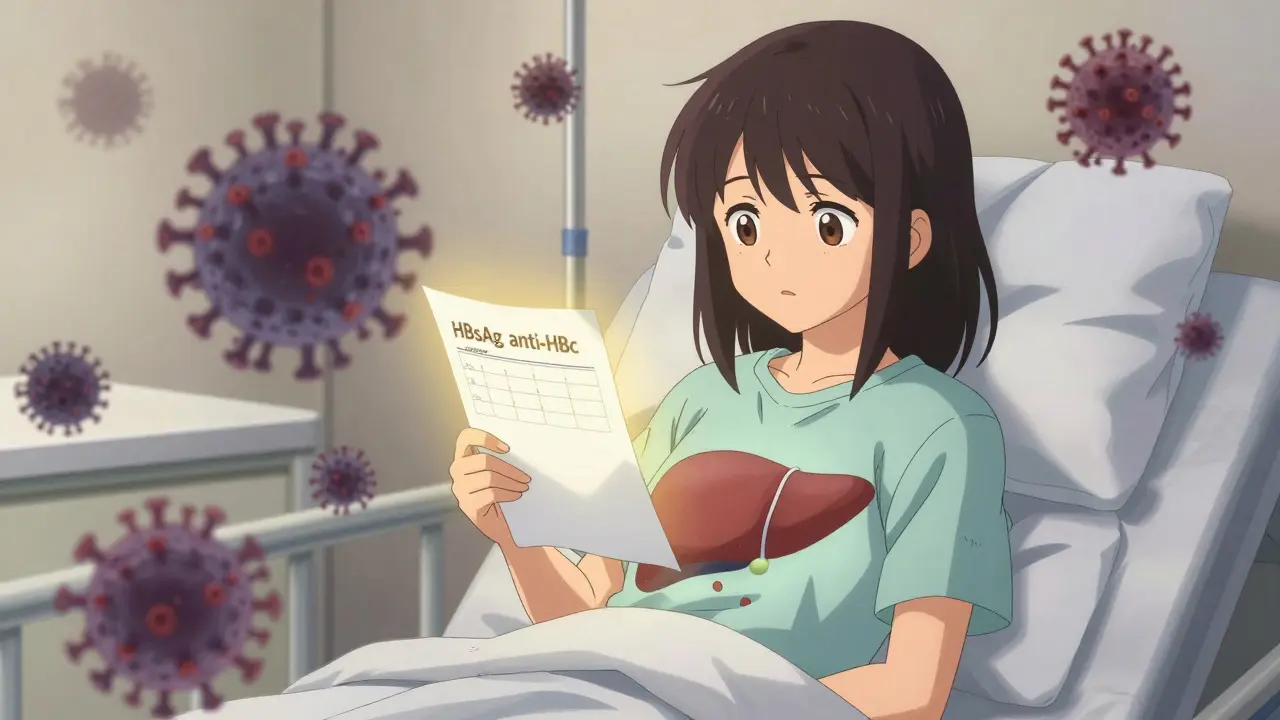
Every year, thousands of people start treatment for cancer, rheumatoid arthritis, or other autoimmune diseases. They’re told the drugs will help them live longer, feel better, regain control. But few know that one of the most dangerous side effects isn’t the nausea, the fatigue, or even the infection risk - it’s something hidden in their blood: HBV reactivation.
What Exactly Is HBV Reactivation?
Hepatitis B virus (HBV) doesn’t always go away after you’re infected. For about 5% of adults, the virus goes quiet - hiding in liver cells, undetected by the immune system. These people are called HBsAg-negative/anti-HBc-positive. They feel fine. Their liver enzymes are normal. They don’t even know they carry the virus. Then comes chemotherapy. Or a biologic like rituximab. Or a stem cell transplant. These treatments suppress the immune system. And when that happens, the virus wakes up. It’s not a new infection. It’s not a relapse. It’s reactivation. The virus starts multiplying again. Liver cells get attacked. Enzymes spike. Jaundice appears. In 1 in 5 cases, it leads to acute liver failure. And 5-10% of those cases are fatal. This isn’t rare. In high-risk patients - like someone with lymphoma getting rituximab - reactivation happens in up to 73% of cases if no one checks their blood first.Which Treatments Carry the Highest Risk?
Not all immunosuppressants are equal. Some are like lighting a match next to gasoline. Others are barely a spark. High-risk (20-81% reactivation):- Anti-CD20 drugs: Rituximab, ofatumumab - especially in lymphoma patients
- Anthracycline-based chemo: Doxorubicin, daunorubicin
- Hematopoietic stem cell transplants: 66-81% risk, depending on donor type
- Transarterial chemoembolization (TACE) for liver cancer
- Standard chemo without high-dose steroids
- TNF-alpha inhibitors: Adalimumab, infliximab
- Tyrosine kinase inhibitors: Ibrutinib
- Radiation therapy for liver cancer - yes, even without chemo
- Non-cytotoxic targeted therapies
- Most non-TNF biologics like abatacept or tocilizumab
Who’s at Risk? It’s Not Just What You Think
Most doctors know to screen patients who are HBsAg-positive - they carry the virus actively. But the real danger lies in the silent carriers: those who are HBsAg-negative but anti-HBc-positive. That means they had HBV in the past, cleared it, and now think they’re safe. They’re not. In patients with resolved HBV infection, reactivation risk is 1-18%, depending on the treatment. For those getting high-dose chemo or stem cell transplants, that risk jumps to 18% or higher. And in 70% of these cases, doctors never tested them before treatment started. Even worse - in some regions, doctors assume HBV is rare and skip screening. But in Australia, where HBV prevalence is around 2-3% in high-risk groups, skipping screening means you’re gambling with someone’s liver.The Simple Test That Saves Lives
There’s no complicated algorithm. No expensive imaging. Just two blood tests, done before any immunosuppressive therapy begins:- HBsAg - tells you if the virus is currently active
- anti-HBc - tells you if you’ve ever been infected
What to Do If You’re at Risk
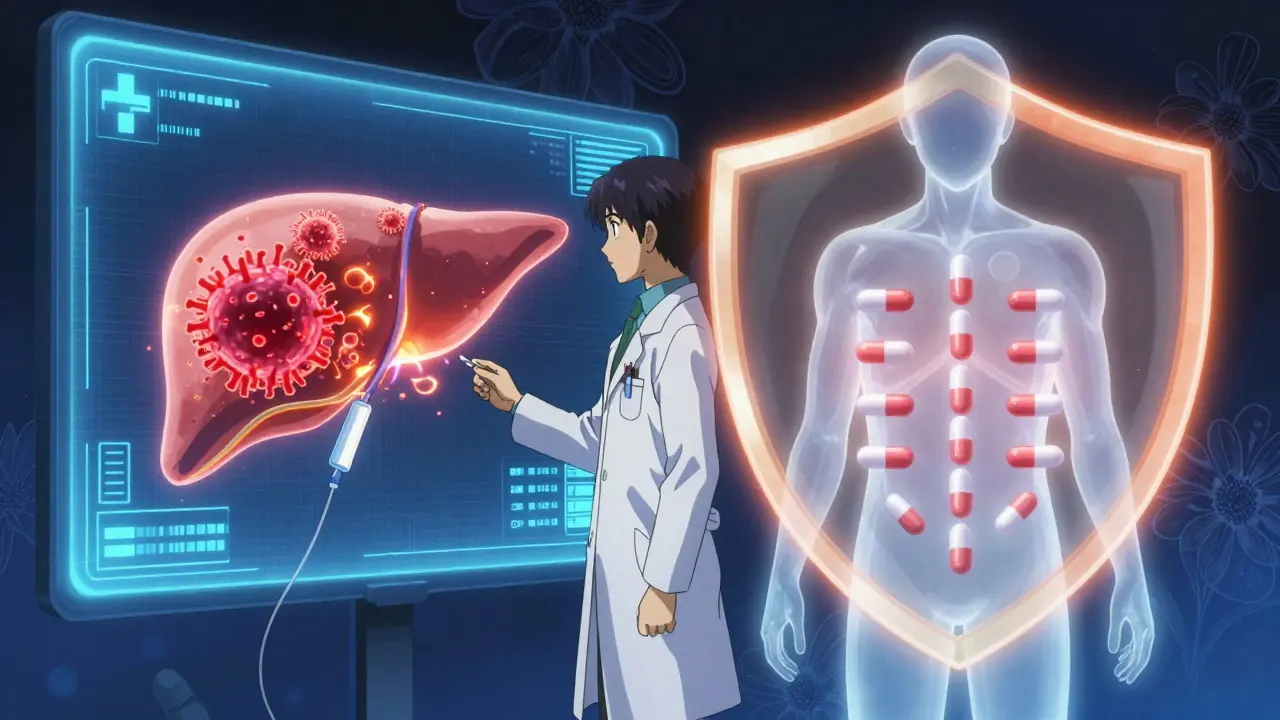
If you’re flagged as high risk, you need antiviral prophylaxis. Not after the fact. Not if you start feeling sick. Before. The two go-to drugs are tenofovir and entecavir. Both are potent, have low resistance rates, and are taken as a single daily pill. Start them at least one week before your first dose of chemotherapy or biologic. Keep taking them during treatment. Then - and this is critical - keep going after. For most high-risk treatments, you need to continue for at least 6 months after the last dose. For B-cell depleting agents like rituximab, guidelines now recommend 12-18 months. Why? Because immune recovery takes time. The virus can come back even after treatment ends. A 2022 study in the New England Journal of Medicine showed 6 months of prophylaxis was enough for most patients - a major shift from the old 12-month rule. But for rituximab? Stick with 12 months. Don’t guess.What Happens If You Skip Screening?
A 52-year-old man in New South Wales had lymphoma. He was fit. No symptoms. No history of liver disease. His oncologist didn’t test for HBV. He got rituximab. Three weeks later, he was in the ICU with jaundice, confusion, and failing liver function. He died within 72 hours. Autopsy showed massive liver necrosis - classic HBV reactivation. That case wasn’t unusual. In 2020, a survey of malpractice claims in oncology found that 12% of infectious complications were due to undiagnosed HBV reactivation. Many of them were preventable. And it’s not just about death. Even if you survive, you could end up with chronic liver damage, cirrhosis, or liver cancer later on.Why Aren’t More Doctors Doing This?
The answer is messy. First, many oncologists and rheumatologists aren’t trained in liver disease. They don’t know how to interpret anti-HBc results. They don’t know when to call a hepatologist. Second, screening isn’t always built into electronic health records. No alert pops up. No checklist appears. The system doesn’t force it. Third, some doctors think, “HBV is rare here.” But in Australia, 1 in 50 people are chronic carriers. In migrant populations, it’s higher. Screening costs $20. Treating a reactivation costs $50,000 - and sometimes costs a life. A study at UCSF showed that adding automated EHR alerts cut reactivation rates from 12.3% to 1.7% in just five years. That’s not magic. That’s systems.
What’s Changing in 2025?
The field is evolving fast. - The FDA now requires HBV warnings on all biologic drug labels. - New rapid point-of-care tests are coming. The OraQuick HBV test, expected to be approved in late 2023, lets you get results in 20 minutes - perfect for busy clinics. - Companies like Tempus are now integrating HBV status into genomic cancer profiles. Your tumor report might soon include your HBV risk. - Guidelines now clearly say: screen everyone. No exceptions. Not even if you’re “low risk.” The biggest win? Antiviral prophylaxis reduces reactivation from over 50% down to under 5%. That’s one of the most effective, cheapest, and safest interventions in modern medicine.What Should You Do?
If you’re about to start:- Chemotherapy
- Biologics like rituximab, infliximab, or ibrutinib
- Stem cell transplant
- High-dose steroids
- Radiation to the liver
Frequently Asked Questions
Do I need to be tested if I’ve had the hepatitis B vaccine?
No. If you’ve been fully vaccinated and have protective antibodies (anti-HBs positive), you’re not at risk for HBV reactivation. The vaccine prevents infection. But if you’re unsure whether you were vaccinated or had natural infection, get tested. Some people were exposed before vaccination became routine and never knew.
Can I stop antivirals after my cancer treatment ends?
It depends on your treatment and your HBV status. For high-risk therapies like rituximab or stem cell transplant, you must continue antivirals for 12-18 months after the last dose. For other treatments, 6 months may be enough. Never stop on your own. Stopping too early is the most common reason for reactivation after treatment ends.
What if I’m HBsAg-negative and anti-HBc-positive but my HBV DNA is undetectable?
You’re still at risk. Undetectable DNA doesn’t mean the virus is gone. It’s hidden in liver cells. When your immune system is suppressed, it can wake up. That’s why guidelines recommend prophylaxis for high-risk treatments even if your viral load is zero.
Are there side effects from tenofovir or entecavir?
Very few. Both are well-tolerated. The most common issue is mild nausea, which usually fades after a few days. Long-term use is safe. Kidney and bone side effects with tenofovir are rare at standard doses and easily monitored. The risk of reactivation far outweighs any possible side effect.
What if I can’t afford the antiviral drugs?
Generic tenofovir and entecavir cost less than $10 per month in most countries. In Australia, they’re covered under the PBS (Pharmaceutical Benefits Scheme) for patients undergoing immunosuppressive therapy. Ask your doctor or pharmacist - you likely qualify for free or low-cost access.
Is HBV reactivation only a problem for cancer patients?
No. It’s also a major risk for people on biologics for rheumatoid arthritis, Crohn’s disease, or psoriasis. Even patients getting high-dose steroids for autoimmune conditions can reactivate HBV. Any drug that suppresses immunity - including some used for organ transplants - carries this risk.



Nicole Rutherford
Wow. So basically if your doc doesn't screen you, they're basically gambling with your liver? And you're supposed to just trust them? I had a cousin die from this. No one tested her. She was just 'fine' until she wasn't. And now her kids are stuck with the aftermath. This isn't medical advice, it's negligence dressed up as routine.
Mark Able
Okay but why is this even a debate? I work in oncology and we screen everyone. Like, it's step one. If your clinic isn't doing it, they're either broke or lazy. Either way, get a new doctor. This isn't rocket science. Two blood tests. Ten bucks. Saves lives. Done.
Chris Clark
big shoutout to the doc who wrote this. i had no clue hbv reactivation was even a thing until i read this. my aunt got rituximab for lymphoma and they forgot to test her. she got sick, went to the er, and they had to scramble. turned out she was anti-hbc positive. they started her on tenofovir and she’s fine now. but it was a close one. pls tell your docs to test. it’s not hard.
Dorine Anthony
This is one of those things that sounds terrifying until you realize it’s 100% preventable. Like, imagine if we just forgot to check for blood clots before surgery. People would freak out. But this? Quietly ignored. I’m sharing this with my mom’s oncologist tomorrow. She’s starting chemo next week.
William Storrs
You’re not alone if you didn’t know about this. But now you do. And that means you can protect yourself or someone you love. Don’t wait for a crisis. Ask for the test. Write it down. Bring it to your appointment. Knowledge is power - and in this case, it’s literally life or death. You got this.
James Stearns
It is both lamentable and profoundly disconcerting that such a rudimentary, evidence-based, and cost-effective intervention remains inconsistently implemented within the broader oncological and rheumatological clinical frameworks. The persistence of this systemic failure constitutes a gross dereliction of professional duty, and one must question the adequacy of contemporary medical education in addressing latent viral pathologies.
Nina Stacey
I read this and I just started crying because my uncle died in 2021 and no one ever tested him for hepatitis B even though he had chemo and steroids for his RA. He was just tired and yellow and then he was gone. And now I’m scared to get my own biologics. I don’t know what to do. I just want to live. Please someone tell me I’m not crazy for being terrified.
Dominic Suyo
Let’s be real - this isn’t a medical issue, it’s a capitalist one. Pharma doesn’t make money off $10/month antivirals. They make it off ICU stays, transplants, and lawsuits. That’s why screening isn’t automated. That’s why EHRs don’t pop up alerts. That’s why it’s still ‘off-label’ in some clinics. This is profit > prevention. Wake up.
Kevin Motta Top
Screen before you treat. That’s it. No excuses. Done.
Alisa Silvia Bila
My sister’s oncologist skipped the test because she’s ‘young and healthy.’ She got rituximab. Two weeks later, her bilirubin was through the roof. She’s okay now - antivirals saved her - but I’m never letting anyone skip this again. If you’re getting anything that shuts down your immune system, ask for the two blood tests. Seriously. Just ask.
Marsha Jentzsch
Wait… so they’re just… not testing people? On purpose? Like, is this a scam? Are they hiding this because they don’t want to pay for the drugs? I’ve heard of this before - it’s like the VA thing with Agent Orange. They ignore it until people die and then they say ‘oops.’ I’m filing a complaint with my state board.
Janelle Moore
Did you know the CDC knows about this? But they don’t push it because they’re scared of causing panic? I read a leaked memo - they say ‘most patients won’t understand’ so they let docs decide. But docs don’t know either. It’s all a cover-up. They’re letting people die so they don’t have to update the guidelines. I’ve got screenshots.