Pharmacy Inventory Software: Tools That Keep Pharmacies Running Smoothly
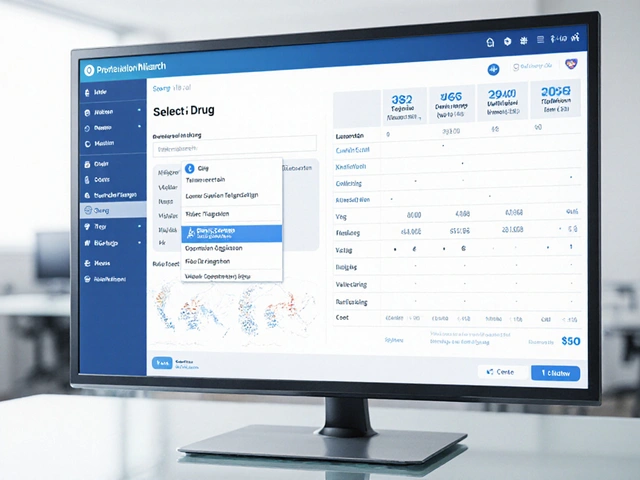
When a pharmacy runs out of a common medication like metformin or amoxicillin, it’s not just an inconvenience—it’s a health risk. Pharmacy inventory software, a digital system designed to track medications from receipt to dispensing. Also known as pharmacy management system, it helps pharmacies avoid overstocking, prevent expired drugs from being sold, and ensure critical meds are always in stock. Without it, pharmacists are stuck counting pills by hand, guessing reorder dates, and chasing down suppliers during emergencies.
These systems don’t just track pills—they connect to suppliers, alert staff when stock is low, integrate with insurance billing, and even flag potential drug interactions at the point of sale. Drug inventory tracking, the core function of this software, uses barcodes and real-time updates to monitor every unit. For example, if a batch of insulin expires in 30 days, the system automatically moves it to the front of the shelf and sends a reminder. Automated dispensing, a feature in advanced systems, reduces human error by pulling the right dose and packaging it for pickup. These aren’t luxury tools—they’re now standard in chain pharmacies and growing fast in independent ones.
What makes these systems truly valuable is how they handle the chaos of real-world supply chains. A shortage of a generic antibiotic? The software shows you which other locations have stock, or suggests alternatives with similar efficacy. A new regulation requires tracking controlled substances? The system auto-logs every pill dispensed and generates audit-ready reports. Pharmacy supply chain, the network of manufacturers, distributors, and pharmacies that move drugs from factory to patient. Pharmacy inventory software doesn’t just manage what’s on the shelf—it helps you control the entire flow.
Some systems even sync with electronic health records, so when a doctor prescribes a new med, the pharmacy knows exactly how much to order and when. Others use AI to predict demand based on seasonal trends—like increased asthma inhaler sales in fall, or higher blood pressure med usage during winter. This isn’t science fiction. It’s what modern pharmacies use daily to cut waste, save time, and keep patients safe.
What you’ll find in this collection are real stories from pharmacists who switched from paper logs to digital systems—and how it changed their work. You’ll see comparisons of top tools used in small clinics versus big retail chains, breakdowns of must-have features, and warnings about systems that sound great but fail under pressure. No fluff. Just what works, what doesn’t, and why it matters when someone’s health depends on the right pill being in the right place at the right time.
Pharmacy Inventory Management: Generic Stocking Strategies That Cut Costs and Prevent Stockouts
Posted by Ian SInclair On 25 Nov, 2025 Comments (10)

Learn how to manage generic medication inventory effectively using proven strategies like minimum-maximum stocking, reorder point calculations, and refill synchronization to cut costs, prevent stockouts, and improve patient care.