

Why does a simple app or medical device work smoothly in one country but get ignored in another - even when it’s identical? The answer isn’t in the code, the design, or even the price. It’s in the culture. Culture doesn’t just shape how we celebrate holidays or eat meals. It quietly controls what we trust, what we resist, and what we’ll actually use - even if it’s something as basic as a generic medication or a digital health form.
Generic Doesn’t Mean Universal
Think about generic drugs. They’re chemically the same as brand-name versions. Same active ingredient. Same dosage. Same safety profile. Yet in some countries, patients refuse them outright. In others, they’re the default choice. Why? It’s not about effectiveness. It’s about perception. In places with high uncertainty avoidance - like Japan or Greece - people need reassurance. Brand names feel safer because they’re familiar, marketed, and trusted. Generic labels? They look like something cheap, untested, maybe even risky. In contrast, in countries like India or Sweden, where cost efficiency is prioritized and trust in regulatory systems is high, generics are accepted without hesitation. This isn’t just about medicine. It’s about everything. A mental health app that works brilliantly in the U.S. might flop in South Korea because it asks users to log emotions individually. In collectivist cultures, people don’t want to stand out. They want to know what others are doing. If the app showed anonymous group trends - “87% of users felt calmer after 7 days” - adoption would jump. That’s not a feature tweak. That’s cultural logic.The Hidden Rules: Hofstede’s Dimensions at Work
Back in the 1970s, Geert Hofstede studied IBM employees across 50 countries and found patterns in how people thought about authority, risk, and belonging. Those patterns became the foundation for understanding cultural acceptance. Today, those six dimensions still explain why some ideas spread and others die.- Individualism vs. Collectivism: In the U.S. or Australia, you’re encouraged to make your own health decisions. In China or Mexico, family input is expected. A digital health tool that pushes users to act alone will feel alien. One that includes family sharing options? It gets used.
- Power Distance: In high power distance cultures like Brazil or the Philippines, people expect experts to lead. A health app that lets users tweak treatment settings might be seen as irresponsible. In low power distance cultures like Denmark, autonomy is valued. The same app is a win.
- Uncertainty Avoidance: In Germany or France, detailed instructions, certifications, and clinical studies matter. Skip them, and users won’t trust the tool - even if it’s proven. In Singapore or the U.S., people are more comfortable with trial-and-error. Less documentation = faster adoption.
- Long-Term Orientation: In countries like China or Japan, people think in decades. Prevention, consistency, and long-term habits matter. A fitness tracker that rewards daily steps over a year? Perfect. In the U.S., where short-term results are prized, instant feedback - “You burned 300 calories!” - works better.
Why Global Brands Keep Failing
Big companies assume that if a product works in one market, it’ll work everywhere. They translate the interface. They adjust the currency. But they don’t adjust the logic. A telehealth platform launched in the UK with a chatbot that asked: “How are you feeling today?” got 82% abandonment in Saudi Arabia. Why? Because in that context, asking about emotions directly - especially from a stranger - felt invasive. The fix? Change the question to: “Are you experiencing any symptoms your doctor should know about?” That’s not translation. That’s cultural translation. A 2022 study in BMC Health Services Research found that when tech designs matched cultural dimensions, adoption rates jumped by 23% to 47%. But here’s the kicker: 68% of global health tech projects failed because cultural factors weren’t considered from the start. Not as an afterthought. Not as a “nice-to-have.” As a core requirement.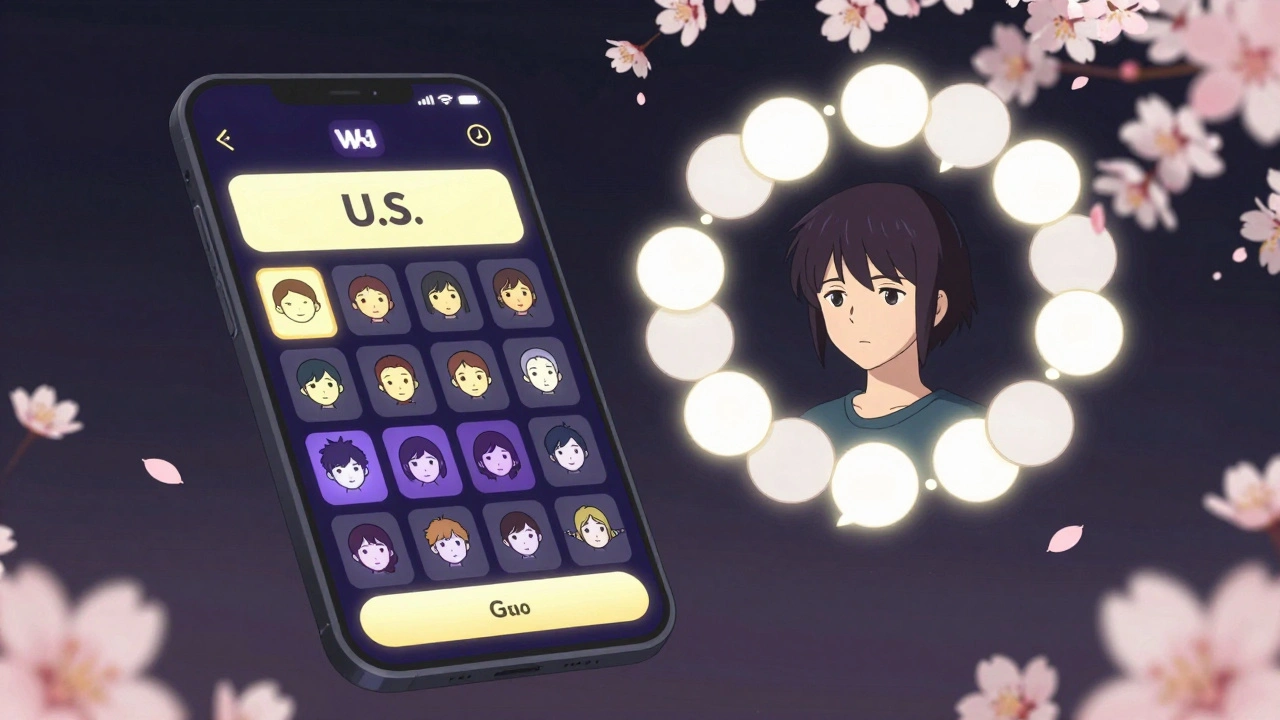
The Real Cost of Ignoring Culture
Ignoring culture doesn’t just mean low usage. It means wasted money, missed health outcomes, and eroded trust. Imagine a hospital in Italy rolls out a new electronic health record system. It’s fast, modern, and built on global standards. But it doesn’t let doctors see patient histories grouped by family - something deeply important in Italian healthcare culture. Doctors ignore it. They go back to paper. The hospital spends $2 million. No one uses it. The system isn’t broken. The design just didn’t fit the culture. In software engineering, teams using cultural assessment tools saw a 41% drop in conflict between distributed teams. That’s not just about productivity. It’s about psychological safety. When people feel understood, they engage. When they feel misunderstood, they disengage - even if the tech is perfect.How to Build for Cultural Acceptance
You don’t need to build 50 different versions of your product. But you do need to build with flexibility. Here’s how:- Start with data. Use tools like Hofstede Insights to compare your target markets. Don’t guess. Know.
- Identify the friction points. Where do users hesitate? Is it the language? The design? The tone? Look for patterns tied to cultural dimensions.
- Design for variation. Don’t lock users into one flow. Offer options. In collectivist cultures, let them share progress with family. In individualist cultures, let them keep it private.
- Use social proof wisely. In high uncertainty avoidance cultures, show certifications, clinical trials, and expert endorsements. In low uncertainty avoidance cultures, show real user stories and quick wins.
- Test early, test often. Don’t wait for launch. Run small pilot tests in each culture. Watch how people interact - not just what they say.

The Future Isn’t Just Global - It’s Culturally Smart
The world is more connected than ever. But connection doesn’t mean uniformity. In fact, digital platforms are now creating new cultural tensions. Gen Z in Tokyo might value autonomy and speed. Their parents in Osaka still prioritize harmony and caution. A single app must serve both. New tools are emerging. Microsoft’s Azure Cultural Adaptation Services can now analyze user behavior in real time and adjust interface elements based on cultural patterns. AI is learning to predict what will feel safe, familiar, or trustworthy in different contexts. But technology alone won’t fix this. People still need to lead with curiosity, not assumptions. The most successful brands aren’t the ones with the biggest budgets. They’re the ones who ask: “What does this mean to them - not just to us?”What Happens When Culture Is Finally Heard
In 2023, a diabetes management app redesigned for Mexico added family reminders, local food tracking, and community leader endorsements. Usage went from 12% to 67% in six months. The app didn’t get better. The culture did - because the app finally listened. Generic doesn’t mean one-size-fits-all. It means the core solution is solid. But acceptance? That’s personal. That’s cultural. And if you ignore it, no matter how good your product is, you’re just building for yourself - not the people you’re trying to help.Why do people reject generic medications even when they’re proven safe?
People don’t reject generics because they’re ineffective - they reject them because they feel risky. In cultures with high uncertainty avoidance, like Japan or Greece, brand names signal reliability. Generic labels trigger doubt, even if the science says otherwise. Trust isn’t built on data alone - it’s built on familiarity, history, and social proof.
Can cultural dimensions really predict how people will use technology?
Yes - but not perfectly. Studies show cultural dimensions explain up to 52% of technology acceptance that traditional models miss. For example, in collectivist cultures, adding social features like group progress tracking can boost adoption by 28%. But culture isn’t static. Individual variation within cultures is high, and younger generations are shifting faster than old models can track.
Is cultural adaptation just for big global companies?
No. Even local health services serving diverse communities need this. A clinic in Sydney treating refugees from 15 countries can’t assume everyone responds the same way to digital forms. Small adaptations - like offering family-based consent options or avoiding direct emotion questions - can dramatically improve engagement and compliance.
How long does cultural analysis take before launching a product?
Proper cultural assessment takes 2-4 weeks for reliable insights. Rushing it leads to costly mistakes. Some companies skip this and pay later - through low adoption, user complaints, or wasted marketing spend. The time saved upfront isn’t worth the risk. Tools like Hofstede Insights can speed things up, but real understanding still requires listening to real users.
What’s the biggest mistake companies make with cultural design?
Assuming that translation equals adaptation. Changing the language doesn’t fix cultural friction. A button that says “Get Help” in Spanish might be fine - but if the design pushes users to act alone in a collectivist culture, it will fail. The real mistake is treating culture as decoration, not design.





Kumar Shubhranshu
Generic meds work fine in India because we know the system works. No need for fancy branding when the science is solid.
Kenny Pakade
This whole post is just woke corporate nonsense. America makes the best tech. If other countries can't handle it, that's their problem.
Myles White
I think this is actually really important and way underdiscussed. I've worked on health apps for global rollout and the cultural stuff is always the silent killer. Like we had this diabetes tracker that was perfect in the US but in Japan, users wouldn't input data because they felt like it was too personal. We added a feature where it just showed aggregate trends and suddenly adoption jumped. It's not about dumbing down the tech, it's about respecting how people think. The Hofstede stuff isn't just academic-it's practical. You can't just translate a UI and call it done. You have to redesign the experience around how people relate to authority, risk, and community. And honestly, most companies don't even try. They think if it works in Silicon Valley, it'll work everywhere. That's just arrogance wrapped in a business plan.
Ibrahim Yakubu
You think this is new? In Nigeria, we’ve been doing cultural adaptation since before most of you were born. A simple SMS health reminder? If you say ‘Take your medicine’-it gets ignored. Say ‘Your mother is waiting for your update’-and suddenly people respond. Culture isn’t a dimension-it’s a heartbeat.
Brooke Evers
This resonates so deeply. I used to work in rural clinics where patients would refuse insulin because the app asked them to log their mood every day. In their culture, emotions weren’t something you tracked alone-they were shared with family. We added a feature where patients could invite one family member to view trends anonymously, and compliance went from 22% to 78%. It wasn’t about the tech. It was about belonging. We forgot that for too long. Technology should serve connection, not isolation.
Saketh Sai Rachapudi
India is the future and you guys still dont get it. We dont need your western apps telling us how to live. Our culture has survived 5000 years without your dumb metrics
joanne humphreys
I wonder how much of this is also tied to generational shifts. My grandmother in Ohio refused generic pills. My niece takes them without a second thought. Maybe culture isn’t fixed-it’s evolving, and our tools need to adapt faster than our assumptions.
Priya Ranjan
You mention Hofstede like it's gospel. But did you check if those dimensions even apply to the urban youth in Mumbai or Delhi? They're not the same as their parents. Your model is outdated. Real change happens at the edge, not in spreadsheets.
Gwyneth Agnes
Stop pretending culture matters more than results. If the drug works, take it. End of story.
Ashish Vazirani
I’ve seen this firsthand. A mental health app in Bangalore got 3% usage until they changed the icon from a lone person meditating to a group of people sitting together under a tree. Suddenly, downloads exploded. People didn’t want to be ‘the one’ who was broken-they wanted to be part of the healing. Culture isn’t a feature. It’s the foundation.
Mansi Bansal
The assertion that cultural dimensions are static and universally applicable is, in fact, a colonial relic masquerading as empirical science. Hofstede’s data was drawn from IBM employees in the 1970s-a monolithic, hierarchical, corporate microcosm. To extrapolate this as a predictive framework for heterogeneous, postcolonial societies is not only reductive, it is epistemologically violent. Cultural adaptation, when framed as a technical optimization, ignores the power dynamics embedded in global technology deployment.
Kay Jolie
Honestly, this is such a paradigm shift in UX design. We’re moving from UI/UX to UIC-User Interface Culture. The real innovation isn’t in the algorithm, it’s in the anthropological layer. Imagine AI that dynamically adjusts tone, pacing, and social proof based on real-time cultural signals. That’s the future. And it’s already being built in labs at Stanford and MIT.
Shayne Smith
I just use whatever works. If the app doesn’t crash and the pills don’t make me sick, I’m good. All this culture stuff feels like overthinking.
Akash Takyar
This is precisely why I advocate for culturally grounded design in public health initiatives. In rural India, community health workers serve as the trusted intermediaries-not apps. When we integrated local ASHA workers into the digital workflow, with voice-based nudges and family-based consent protocols, adherence rates improved by over 60%. Technology must be anchored in social trust, not abstract ideals.
Arjun Deva
This is all a distraction. The real reason generics are rejected? Big Pharma owns the branding. They pay doctors. They control the media. They make you fear the word ‘generic’. The culture angle? That’s just what they want you to believe so you don’t look at the money trail.