Acute Interstitial Nephritis: Causes, Diagnosis, and Treatment Options
When your kidneys suddenly stop working right, it’s often not because of a chronic disease—it could be acute interstitial nephritis, a sudden inflammation of the kidney’s interstitial tissue that impairs filtering function. Also known as drug-induced interstitial nephritis, it’s one of the most common reversible causes of acute kidney injury, a rapid drop in kidney function that can happen over hours or days. Unlike glomerulonephritis, which affects the filtering units, this condition hits the tissue between the tubules, often triggered by something you took—like an antibiotic, NSAID, or proton pump inhibitor.
It’s not always obvious. Many people don’t feel sick until their creatinine spikes on a blood test. Some have fever, rash, or joint pain—signs the immune system is reacting. Others just feel tired or notice less urine. The real danger? If you don’t catch it early, the inflammation can scar the kidneys and lead to permanent damage. That’s why doctors look for recent medication use, especially within 1 to 4 weeks before symptoms start. Common culprits include nephrotoxic medications, drugs that directly harm kidney tissue, including penicillin, ciprofloxacin, and omeprazole. Even something as simple as ibuprofen, if taken daily for weeks, can trigger it. It’s not rare—studies show it accounts for up to 15% of acute kidney injury cases in hospitalized patients.
Diagnosis usually starts with blood and urine tests, but the only way to be sure is a kidney biopsy. That sounds scary, but it’s a quick outpatient procedure that tells your doctor whether it’s an allergic reaction, an infection, or something else. Treatment? First step: stop the drug causing it. Most people start improving within days. If symptoms are severe or don’t get better, steroids may be used to calm the immune response. The good news? If caught early, most people recover full kidney function. The bad news? If ignored, it can turn into chronic kidney disease.
What you’ll find below is a curated collection of real, practical guides that connect directly to this condition. You’ll see how antibiotics and dairy affect drug absorption, why certain medications cause unexpected kidney damage, how to spot hidden side effects, and what to do if you’re on long-term drugs that could quietly harm your kidneys. These aren’t theoretical articles—they’re based on clinical patterns, patient reports, and real-world data. Whether you’re worried about a recent prescription, managing multiple meds, or just trying to understand why your kidney numbers changed, this collection gives you the facts you need to act—before it’s too late.
Acute Interstitial Nephritis: How Drugs Trigger Kidney Inflammation and What Recovery Really Looks Like
Posted by Ian SInclair On 22 Nov, 2025 Comments (10)
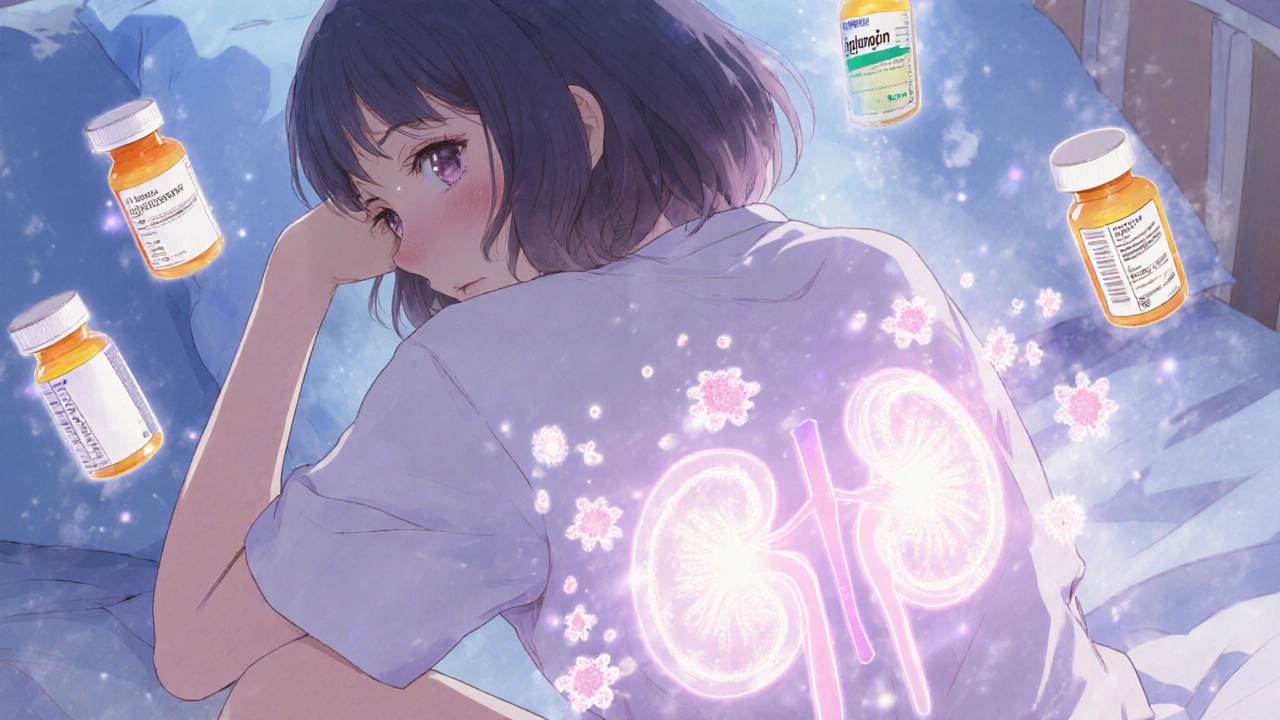
Acute interstitial nephritis is a serious kidney reaction to common drugs like PPIs and NSAIDs. Learn how it develops, which medications cause it, and why early action is critical for recovery.