Alzheimer's Treatment: What Works, What Doesn't, and What's Next
When someone is diagnosed with Alzheimer's disease, a progressive brain disorder that slowly destroys memory and thinking skills. Also known as senile dementia, it affects over 6 million people in the U.S. alone — and no cure exists yet. But treatment isn’t about waiting for a miracle. It’s about managing symptoms, slowing decline, and keeping life as meaningful as possible for as long as possible.
There are only a few FDA-approved drugs that directly target Alzheimer’s symptoms. Cholinesterase inhibitors, a class of drugs that boost brain chemicals involved in memory and learning — like donepezil, rivastigmine, and galantamine — are the first line. They don’t stop the disease, but they can help people hold onto thinking skills for a few more months or even years. Then there’s memantine, a medication that regulates glutamate, a brain chemical linked to learning and memory. It’s often used in moderate to severe cases, either alone or with a cholinesterase inhibitor. These aren’t magic pills. They don’t bring back lost memories. But for many families, even a small delay in decline means more time for conversations, walks, and quiet moments together.
What’s missing from most treatment plans? The big picture. Alzheimer’s isn’t just about brain chemistry. It’s about sleep, movement, nutrition, and social connection. People who stay physically active, eat a Mediterranean-style diet, and maintain strong relationships tend to decline slower — not because of a drug, but because their brains are better supported. And while supplements like ginkgo or omega-3s get talked about online, there’s no solid proof they help. The same goes for unproven treatments sold as "cures." Real progress comes from combining approved meds with daily habits that keep the body and mind engaged.
And then there’s the emotional side — the frustration, the grief, the guilt. Treatment isn’t just pills and doctor visits. It’s figuring out how to talk to someone who no longer remembers your name. It’s installing safety locks, setting up reminders, and learning when to ask for help. That’s where real care begins.
Below, you’ll find real stories and facts about what’s actually working — from how generic drugs affect access to why some people react badly to certain medications, to how cultural attitudes shape care decisions. These aren’t theoretical guides. They’re based on what people are experiencing right now — the good, the hard, and the unexpected.
New Drug Approvals: Recent Medications and Their Safety Profiles
Posted by Ian SInclair On 6 Dec, 2025 Comments (13)
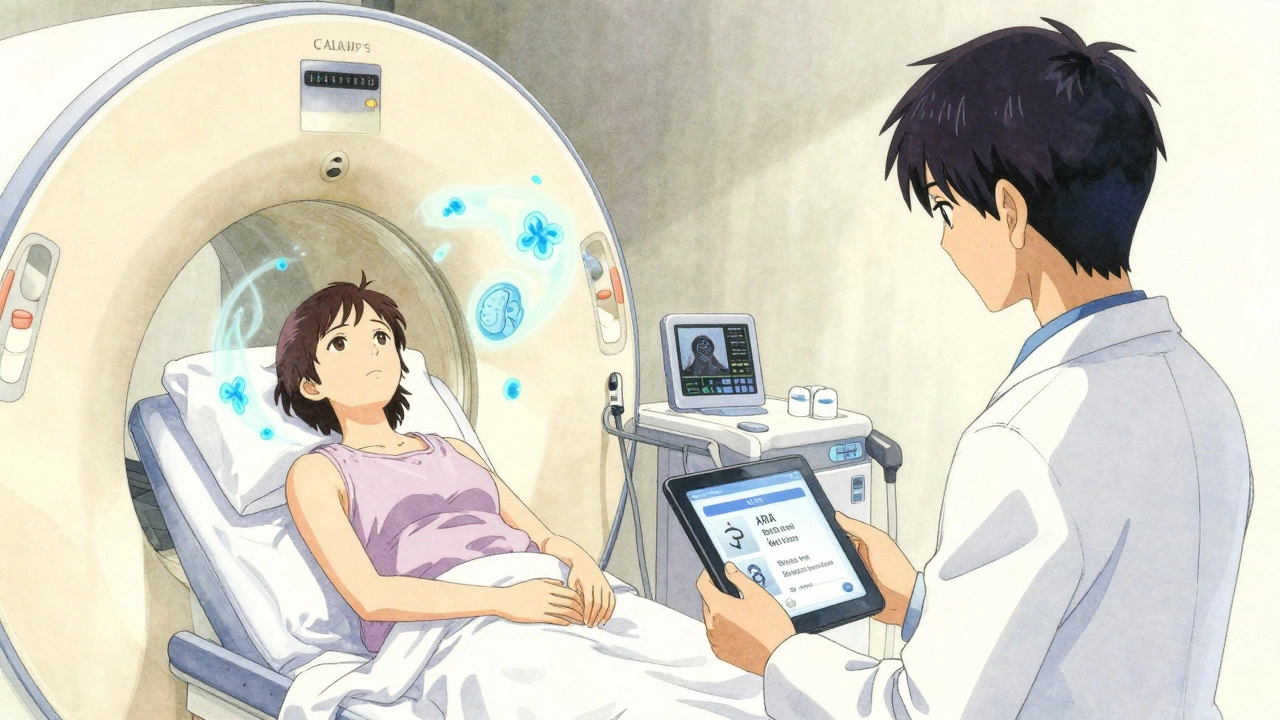
Explore the latest FDA-approved medications from 2024-2025, including new Alzheimer's, schizophrenia, and overdose treatments, and understand their real-world safety profiles and monitoring requirements.