Bleeding Risk: What Medications Increase It and How to Stay Safe
When you take a medication, you expect it to help—not make you more likely to bleed uncontrollably. But bleeding risk, the chance of uncontrolled or dangerous blood loss due to medication or medical conditions is real, and it’s hidden in plain sight. Many people don’t realize that everyday drugs like aspirin, ibuprofen, or even some antidepressants can thin your blood enough to cause serious problems—especially if you’re older, have kidney issues, or take multiple pills. This isn’t just about warfarin or newer blood thinners like Eliquis. It’s about the quiet, cumulative effect of what’s in your medicine cabinet.
Blood thinners, medications that reduce the blood’s ability to clot are the most obvious culprits, but they’re not the only ones. NSAIDs, nonsteroidal anti-inflammatory drugs like naproxen and celecoxib can damage the stomach lining and interfere with platelets, making even small cuts or bruises turn into big problems. And when you mix them with anticoagulants, drugs that slow down the clotting process—even a simple cold medicine can become dangerous. Studies show that over 30% of hospital admissions for internal bleeding in older adults are tied to these kinds of drug combinations. You don’t need to be on a high-dose prescription to be at risk. It’s the combo that gets you.
Some people think if they’re not on a blood thinner, they’re safe. That’s a myth. Even supplements like fish oil, garlic, or ginkgo can nudge your bleeding risk higher. And if you’re on an SSRI for depression, you might not know it’s also affecting your platelets. The real danger isn’t the drug itself—it’s the lack of awareness. Doctors don’t always ask about every pill you take, and pharmacies don’t always flag interactions unless you’re on high-risk meds. But you can protect yourself. Know what’s in your medicine cabinet. Track what you take. Ask your pharmacist: "Could this make me bleed more?"
The posts below cover exactly these kinds of real-world risks—from how bridging therapy works between blood thinners, to why NSAIDs can cause kidney inflammation that worsens bleeding, to how insulin allergies or antidepressants might indirectly increase your vulnerability. You’ll find practical advice on avoiding medication errors, recognizing early signs of internal bleeding, and understanding when a "safe" OTC drug isn’t safe for you. No fluff. No hype. Just what you need to know to stay out of the ER.
Feverfew and Anticoagulants: What You Need to Know About Bleeding Risk
Posted by Ian SInclair On 9 Dec, 2025 Comments (12)
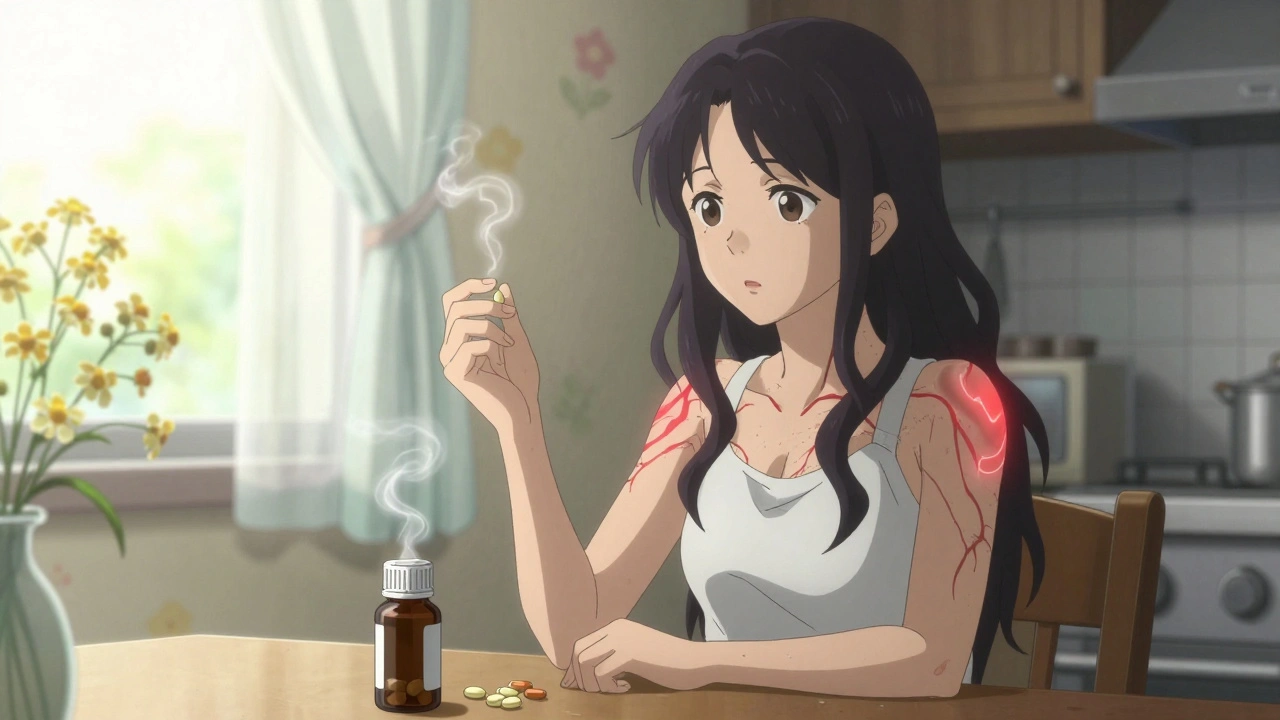
Feverfew may help prevent migraines, but if you're on blood thinners, it can increase bleeding risk. Learn the facts, signs to watch for, and what doctors recommend before taking this herbal supplement.