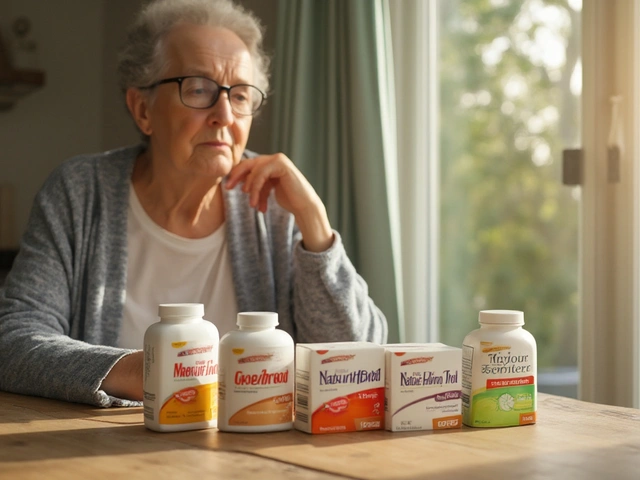
Brand Psychology in Pharma: How Drug Perception Shapes Use and Trust
When you pick a pill off the shelf, you’re not just choosing a chemical—you’re responding to brand psychology, the way marketing, reputation, and past experience shape how people feel about a medication. Also known as pharmaceutical branding, it’s why some patients refuse generics even when their doctor says they’re the same, and why a blue pill with a fancy logo might feel more powerful than a white one with no name. This isn’t just about ads—it’s about trust, memory, and fear. A 2023 study in the Journal of Medical Marketing found that patients who believed they were taking a brand-name drug reported fewer side effects—even when they were given a generic—simply because they expected better results. That’s brand psychology at work.
It connects directly to generic vs brand, the ongoing debate over whether cheaper versions of drugs are truly equivalent in patient experience. You’ll see this in posts about how generic drugs save money but still face skepticism, even though the FDA says they’re bioequivalent. It’s also why companies use pharmaceutical branding, the deliberate design of packaging, color, shape, and name to build recognition and emotional connection to make their pills stand out. Think of Diclegis for morning sickness—it’s not just doxylamine and vitamin B6. It’s a branded solution with a name patients remember, a logo they trust, and a story that says, "This is the one doctors recommend."
Then there’s drug perception, how patients interpret a drug’s effectiveness based on how it’s presented, not just how it works. A patient might avoid an antibiotic because it’s "too cheap," or refuse a blood thinner because it looks "too small." These aren’t rational decisions—they’re emotional responses shaped by years of marketing, word-of-mouth, and even the way a pharmacist hands over the bottle. The same drug, in a different package, can feel like a different treatment.
And it’s not just patients. Doctors are influenced too. A 2022 survey of primary care physicians showed that nearly 40% were more likely to prescribe a brand-name drug if they’d seen it advertised heavily—even when guidelines recommended generics. That’s brand psychology shaping clinical decisions. It’s why the FDA has to monitor post-approval safety for generics just as closely as for brands, and why pharmacy inventory systems track not just stock levels, but also which versions patients actually ask for.
Understand this: your health isn’t just about chemistry. It’s about belief. The color of a pill, the name on the box, the price tag, the story behind it—all of it affects whether you take it, stick with it, or stop because you think it won’t work. That’s why the posts here dive into everything from how tall-man lettering prevents mix-ups to why international pricing changes how people see value in medicine. You’ll find real stories about insulin allergies, emotional blunting from SSRIs, and why some people still fear vaccines—each one shaped by perception as much as by science.
What you’ll see below isn’t just a list of articles. It’s a map of how the mind interacts with medicine. Whether you’re a patient wondering why your prescription costs more than your neighbor’s, or a healthcare worker trying to get people to take their meds, understanding brand psychology isn’t optional—it’s essential.
How Culture Shapes What We Accept - Even When It’s Generic
Posted by Ian SInclair On 5 Dec, 2025 Comments (15)
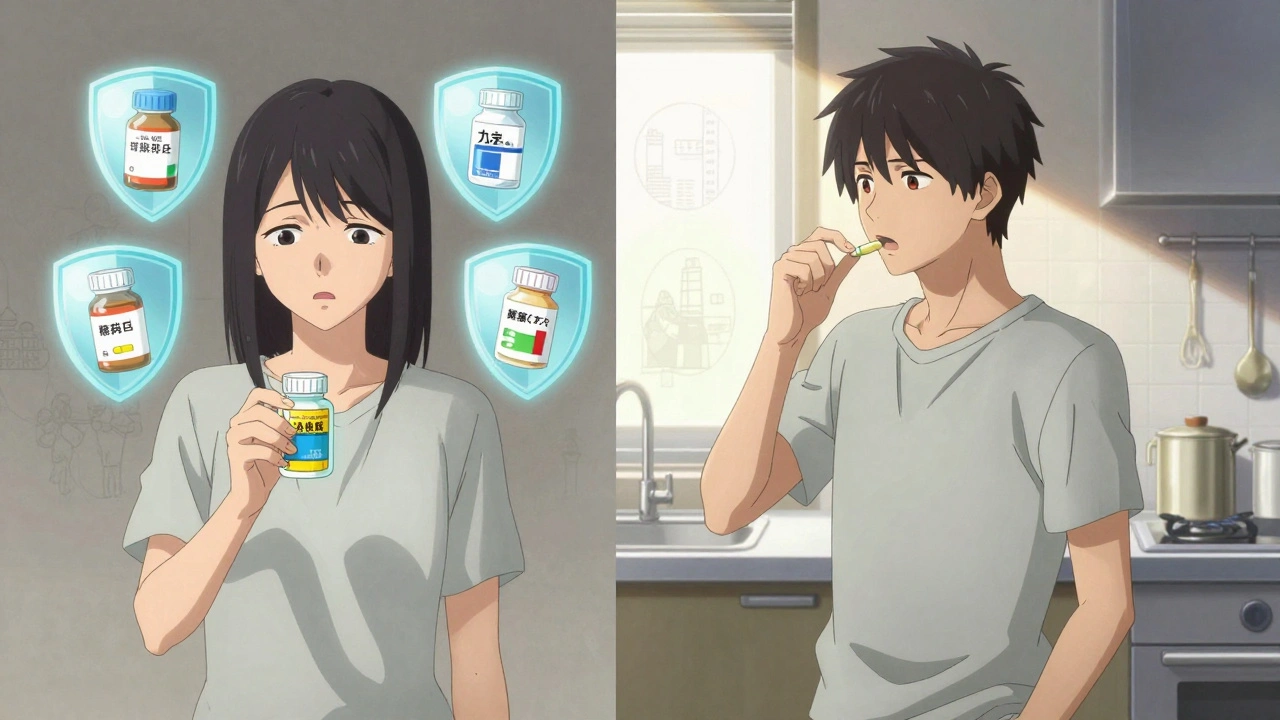
Culture shapes what we accept - even when it’s generic. From medications to apps, understanding cultural values like individualism, uncertainty avoidance, and collectivism can make the difference between adoption and rejection.