Dairy Interaction with Antibiotics: What You Need to Know
When you take dairy interaction with antibiotics, the way dairy products like milk, cheese, or yogurt interfere with how certain antibiotics are absorbed by your body. Also known as drug-food interactions, this isn’t just a myth—it’s a well-documented issue that can make your treatment less effective. If you’re on antibiotics and you drink a glass of milk right after your pill, you might be reducing its power without even knowing it.
This happens because dairy contains calcium, a mineral that binds to certain antibiotics in the stomach and gut, preventing them from entering your bloodstream. Antibiotics like tetracycline, doxycycline, and ciprofloxacin are especially vulnerable. The calcium in milk, yogurt, or even fortified orange juice forms a tight chemical bond with these drugs, turning them into an unusable compound your body can’t absorb. That means the infection you’re trying to treat keeps growing while you think you’re doing everything right.
It’s not just about timing—it’s about what you eat with your pill. Even if you take your antibiotic an hour before or after dairy, some drugs still get blocked. For example, if you eat a bowl of cereal with milk for breakfast and then take your doxycycline an hour later, the calcium residue in your gut can still interfere. The fix? Stick to water when taking these antibiotics. Skip the cheese toast, skip the yogurt smoothie, and wait at least two to three hours before eating dairy again. It’s a small change, but it makes a big difference in how well your treatment works.
Not all antibiotics are affected the same way. Penicillin, amoxicillin, and azithromycin don’t have this problem with dairy. But if you’re unsure—which you should be—always check the label or ask your pharmacist. Many people assume all antibiotics work the same, but that’s not true. One wrong meal can turn a full course of treatment into a waste of time and money.
And it’s not just dairy. Supplements with iron, zinc, or magnesium can cause the same issue. If you’re on antibiotics and also taking a multivitamin or antacid, you’re adding another layer of risk. The drug-food interactions, how certain foods, drinks, or supplements change how your body handles medication. are everywhere—and they’re often ignored until something goes wrong.
What you’ll find in the posts below are real, practical guides on how antibiotics behave in your body, what else interferes with them, and how to avoid common mistakes that reduce their effectiveness. From how cefprozil affects your gut to why mixing alcohol with meds is dangerous, these articles cut through the noise and give you clear, science-backed advice. You won’t find guesswork here—just what actually works when you’re trying to get better, fast.
Antibiotics and Dairy: Why Timing Matters for Drug Absorption
Posted by Ian SInclair On 23 Nov, 2025 Comments (12)
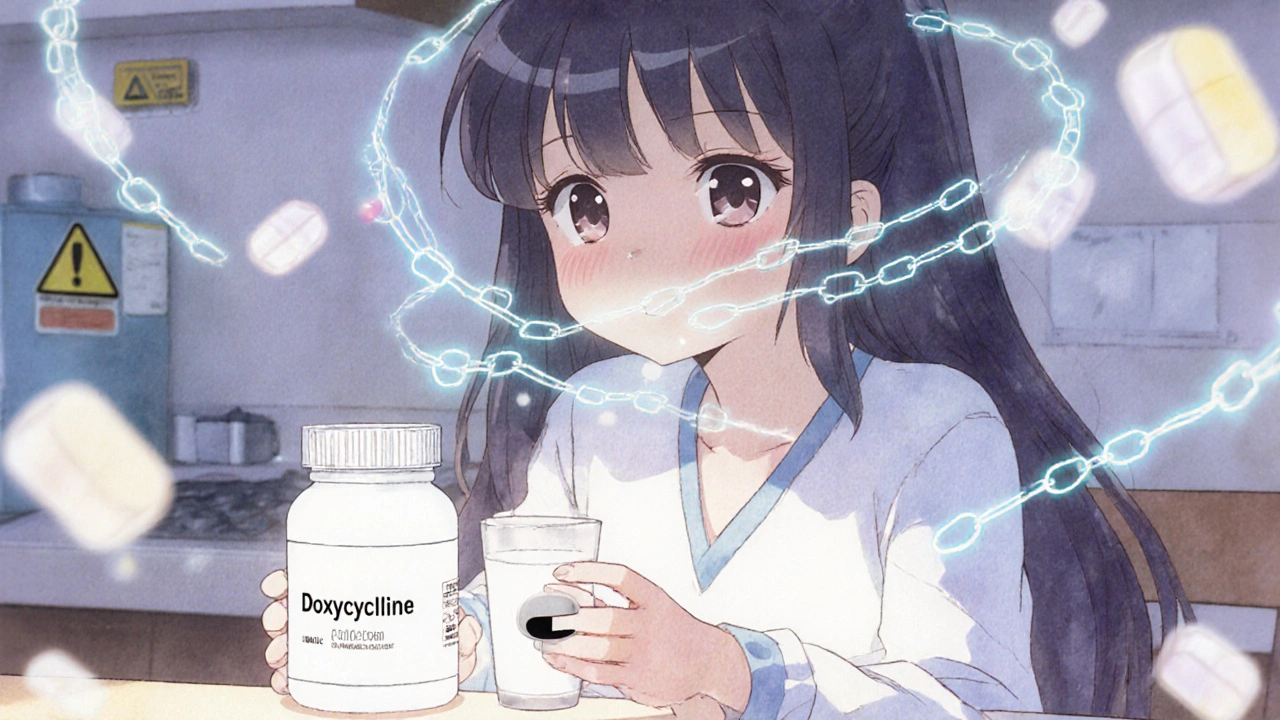
Dairy can block antibiotic absorption, reducing effectiveness by up to 92%. Learn which antibiotics are affected, how long to wait after milk or yogurt, and how to avoid treatment failure.