
Drug Safety Profiles: What You Need to Know About Risks, Monitoring, and Real-World Effects
When you take a pill, you’re trusting more than just the label—you’re relying on a whole system built to catch problems before they hurt you. This is what drug safety profiles, the documented record of a medication’s risks, side effects, and real-world behavior over time. Also known as pharmacovigilance data, it’s not just what’s listed in the pamphlet—it’s what happens when thousands, even millions, of people use it daily. These profiles don’t just list nausea or dizziness. They track rare but serious reactions like kidney inflammation from common painkillers, allergic responses to insulin, or how antidepressants can flip mood disorders into mania. They’re the reason some drugs get black box warnings and others get pulled from shelves.
Behind every drug safety profile is a network of systems working silently. The FDA pharmacovigilance, the ongoing monitoring process used by the U.S. Food and Drug Administration to track drug safety after approval doesn’t wait for clinical trials to end. It watches VAERS reports for vaccine reactions, scans hospital records for kidney damage from PPIs, and follows up on patient reports about emotional numbness from SSRIs. Even generic drug safety, the quality and risk profile of medications that copy brand-name drugs after patents expire is monitored the same way—because bioequivalence doesn’t mean identical behavior in every body. A generic version of a drug might have the same active ingredient, but fillers, coatings, or manufacturing differences can change how it’s absorbed—and that’s where safety profiles get real.
Drug safety isn’t static. It evolves. A drug that’s safe for most people might cause rare but dangerous reactions in others—like dairy blocking antibiotic absorption or long-term steroids quietly weakening muscles. That’s why safety profiles include things like tall-man lettering to prevent mix-ups between similar-sounding drugs, or guidelines on bridging blood thinners to avoid clots. These aren’t just rules—they’re responses to real mistakes, real injuries, and real lives affected. What you see in the posts below isn’t random. It’s a collection of stories where safety profiles made a difference: from how vaccine reactions are tracked to why some people can’t take certain antibiotics with milk, or why switching antidepressants can backfire if you don’t know the risks. These aren’t theoretical concerns. They’re the quiet, daily checks that keep millions from harm. What follows is a deep look into the systems, myths, and real-life cases that shape how safe your medicine really is.
New Drug Approvals: Recent Medications and Their Safety Profiles
Posted by Ian SInclair On 6 Dec, 2025 Comments (13)
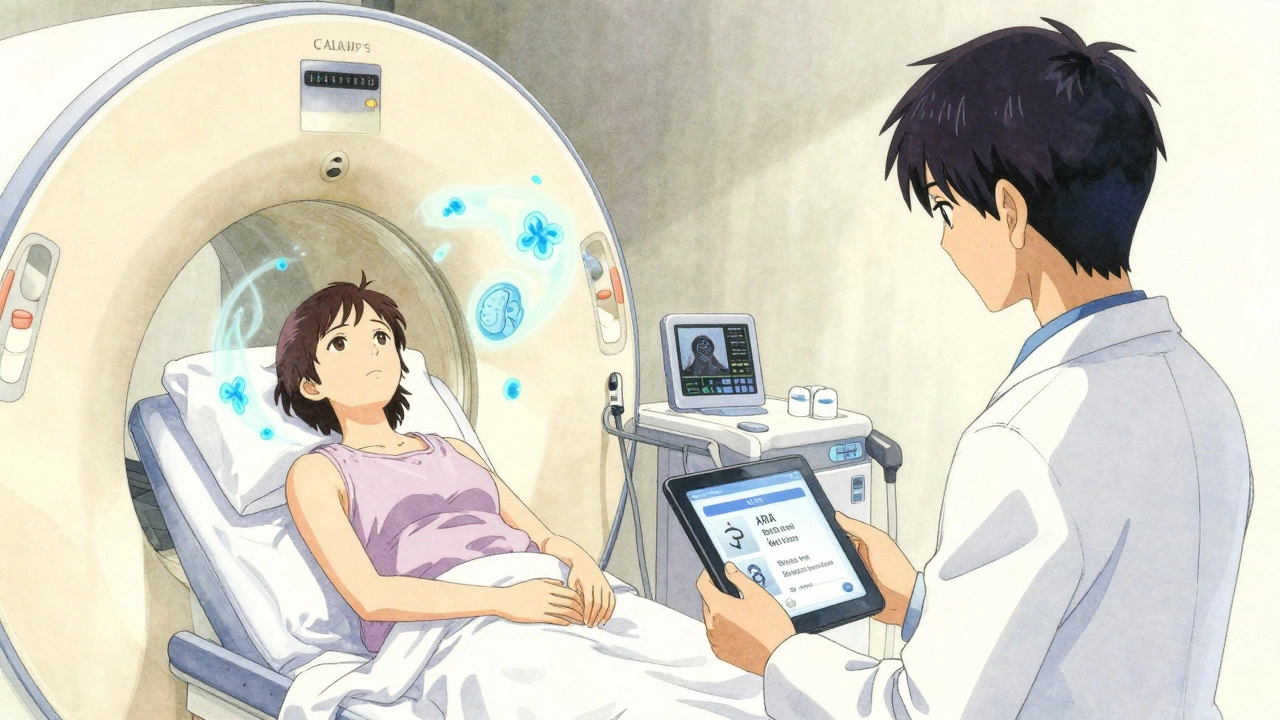
Explore the latest FDA-approved medications from 2024-2025, including new Alzheimer's, schizophrenia, and overdose treatments, and understand their real-world safety profiles and monitoring requirements.