FDA Drug Approvals: How New Medicines Get Approved and What Happens After
When you pick up a new prescription, you’re holding a drug that passed through the FDA drug approvals, the U.S. government’s official process for evaluating whether a medicine is safe and effective for public use. Also known as new drug application (NDA) review, this system is the gatekeeper between lab research and your medicine cabinet. It’s not just about checking if a drug works—it’s about making sure it works consistently, safely, and without hidden risks that only show up after thousands of people use it.
The FDA doesn’t just approve brand-name drugs. A huge part of the process involves generic drugs, medicines that copy the active ingredient of brand-name drugs but cost far less. Under the Hatch-Waxman Act, a 1984 law designed to balance innovation with affordability, generic companies can challenge patents and get a 180-day head start on the market. But that’s not the end—once approved, these drugs still face scrutiny. The FDA doesn’t retest them, but it watches for problems using real-world data, manufacturer reports, and patient alerts. That’s called post-approval surveillance, the ongoing monitoring system that catches quality issues, contamination, or unexpected side effects after a drug is already on shelves.
What you don’t see is the back-and-forth: companies submitting thousands of pages of data, FDA scientists reviewing every batch, and sometimes, years of legal battles over patents that delay cheaper options. You might wonder why some drugs take forever to become generic—sometimes it’s not the science, it’s the paperwork, lawsuits, or authorized generics that let brand companies undercut new entrants. And when a drug gets pulled or flagged, it’s often because someone reported a reaction through VAERS or a pharmacy noticed a pattern of errors.
What you’ll find in these articles isn’t just theory—it’s the real story behind your pills. From how tall-man lettering prevents deadly mix-ups to why dairy can ruin an antibiotic, the posts here show you how approval is just the beginning. You’ll learn how safety systems work after the fact, why some countries pay less for the same drug, and what happens when a generic fails to behave like the brand. This isn’t about politics or jargon. It’s about knowing what’s really in your medicine, who’s watching it, and what to ask when something doesn’t feel right.
New Drug Approvals: Recent Medications and Their Safety Profiles
Posted by Ian SInclair On 6 Dec, 2025 Comments (13)
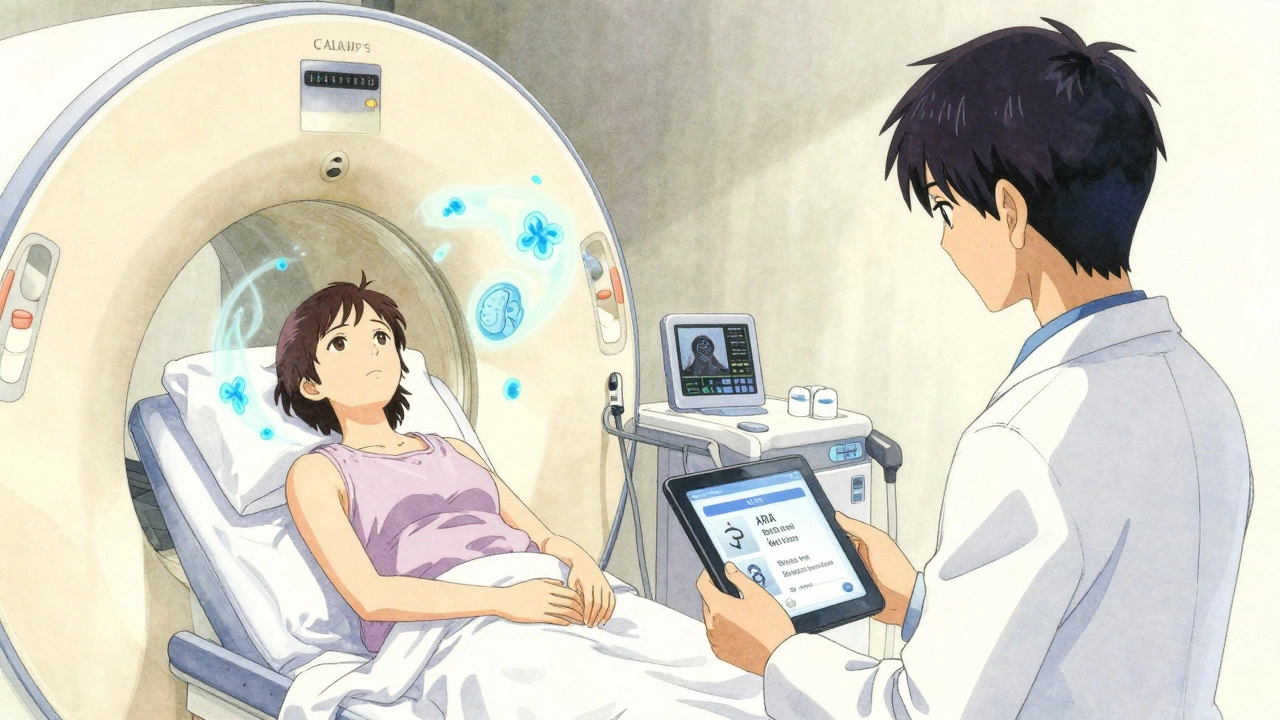
Explore the latest FDA-approved medications from 2024-2025, including new Alzheimer's, schizophrenia, and overdose treatments, and understand their real-world safety profiles and monitoring requirements.