Generic Drug Stocking: What You Need to Know About Supply, Pricing, and Access
When you pick up a generic drug, a medication that’s chemically identical to a brand-name drug but sold at a lower price. Also known as generic medicine, it’s the backbone of affordable healthcare in the U.S. and around the world. But having the right generic drug on the shelf isn’t just about cost—it’s about timing, supply chains, and who controls the market. You might think if a drug is approved and cheap, it’ll always be available. That’s not true. Stocking issues happen all the time, and they hit patients hardest when they need their meds most.
Behind every empty pharmacy shelf is a complex system. International reference pricing, a system where countries set drug prices by comparing them to what other nations pay is one big reason why some generics disappear. Countries like Canada or Germany might pay less for a drug, so manufacturers stop selling it in the U.S. if profits drop too low. That leads to drug shortages, when there’s not enough supply to meet demand, often due to manufacturing delays, raw material issues, or low profit margins. And it’s not rare—over 300 generic drugs faced shortages in the last five years, according to FDA data. These aren’t obscure meds either. Think blood pressure pills, antibiotics, or insulin. If your pharmacy runs out, you’re stuck waiting weeks or paying double for the brand version.
Why do manufacturers stop making these drugs? It’s simple: if a generic sells for $2 a pill and costs $1.80 to produce, there’s no room for error. A single factory shutdown, a regulatory hiccup, or a sudden spike in demand can break the chain. Meanwhile, pharmaceutical supply chain, the network of manufacturers, distributors, and wholesalers that moves drugs from factory to pharmacy is stretched thin. Many generic makers rely on overseas suppliers for active ingredients, and geopolitical issues or shipping delays can freeze production. Even patent fights—like those tied to the Hatch-Waxman Act, a law meant to balance innovation and generic competition—can delay new generic entries for years, keeping prices high and supply low.
So what does this mean for you? If you take a generic daily, don’t assume it’ll always be there. Talk to your pharmacist about alternatives. Ask if there’s another generic version available, or if switching to the brand temporarily is worth it to avoid a gap in treatment. Pharmacies are starting to track stock levels better, but you’re still the best line of defense. Keep a 30-day supply on hand when you can. And if you notice your medication suddenly costs more or isn’t available, report it—your feedback helps regulators spot patterns before more people are affected.
The posts below dig into the real-world side of this issue: how pricing rules cause shortages, how the FDA tracks quality after approval, why patent battles delay cheap meds, and what you can do to stay covered. You’ll find practical advice from people who’ve been stuck without their meds—and the systems that make it happen.
Pharmacy Inventory Management: Generic Stocking Strategies That Cut Costs and Prevent Stockouts
Posted by Ian SInclair On 25 Nov, 2025 Comments (10)
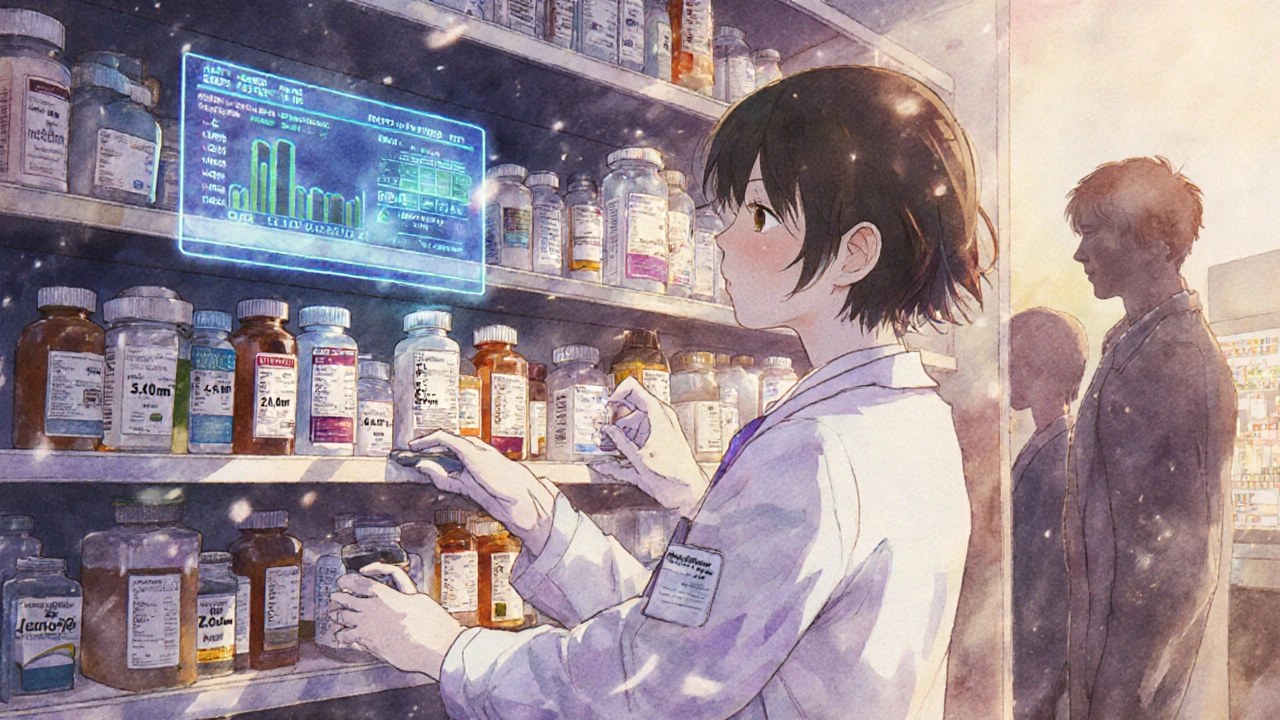
Learn how to manage generic medication inventory effectively using proven strategies like minimum-maximum stocking, reorder point calculations, and refill synchronization to cut costs, prevent stockouts, and improve patient care.