
Medication Regulations Abroad: How Other Countries Control Drug Prices and Safety
When it comes to medication regulations abroad, the rules that govern how drugs are priced, approved, and monitored in countries outside the U.S.. Also known as global pharmaceutical policies, these systems directly affect how affordable and safe your medicines are—even if you never leave home. Unlike the U.S., where drug companies set prices with little oversight, many countries use international reference pricing, a method where governments compare drug costs across borders to set fair prices. This is why a generic version of a drug might cost $5 in Canada and $50 in the U.S. It’s not magic—it’s policy. Countries like the UK, Germany, and Australia use this to keep medicines affordable for everyone, not just those who can pay.
But pricing isn’t the only thing these countries control. pharmaceutical safety standards, the rules that ensure drugs are made safely and monitored after they hit the market. Also known as post-market surveillance, this is how agencies like the EMA in Europe and Health Canada track side effects, manufacturing flaws, and fake drugs. The FDA in the U.S. relies mostly on companies to report problems. Other countries actively audit factories, test batches randomly, and pull drugs off shelves faster when something goes wrong. That’s why you’ll rarely see a drug recall in Europe that took years to happen in the U.S.—they’re watching closer.
And then there’s the fight over generic drug rules, how quickly cheaper versions of brand-name drugs can enter the market. Also known as generic drug approval pathways, these rules determine whether patients get affordable options within months—or wait years because of legal delays. In the U.S., patent lawsuits and "pay-for-delay" deals often block generics for years. In places like India and Brazil, regulators fast-track generics the moment patents expire. That’s why a life-saving HIV drug might cost $1,000 a month in America and $10 in South Africa.
What You’ll Find in This Collection
These posts don’t just list facts—they show you how these systems play out in real life. You’ll see how medication regulations abroad lead to real-world outcomes: fewer shortages in some countries, more side effect reports in others, and why some drugs are simply unavailable in the U.S. because they’re too cheap elsewhere. You’ll learn why a kidney drug gets pulled in Europe but stays on shelves here, how a simple test like ACTH stimulation helps patients taper steroids safely in the UK, and why dairy can ruin an antibiotic’s effect in Germany but not in the U.S.—because of different labeling rules.
This isn’t theory. These are the hidden rules that shape what’s in your medicine cabinet, how much you pay, and whether your treatment works as it should. Below, you’ll find real stories, real data, and real fixes—from how countries prevent medication errors to how they stop dangerous herbal scams. No fluff. Just what you need to know to understand why your meds cost what they do—and what you can do about it.
How to Get Enough Medication Before International Travel: A Practical Guide
Posted by Ian SInclair On 21 Nov, 2025 Comments (14)
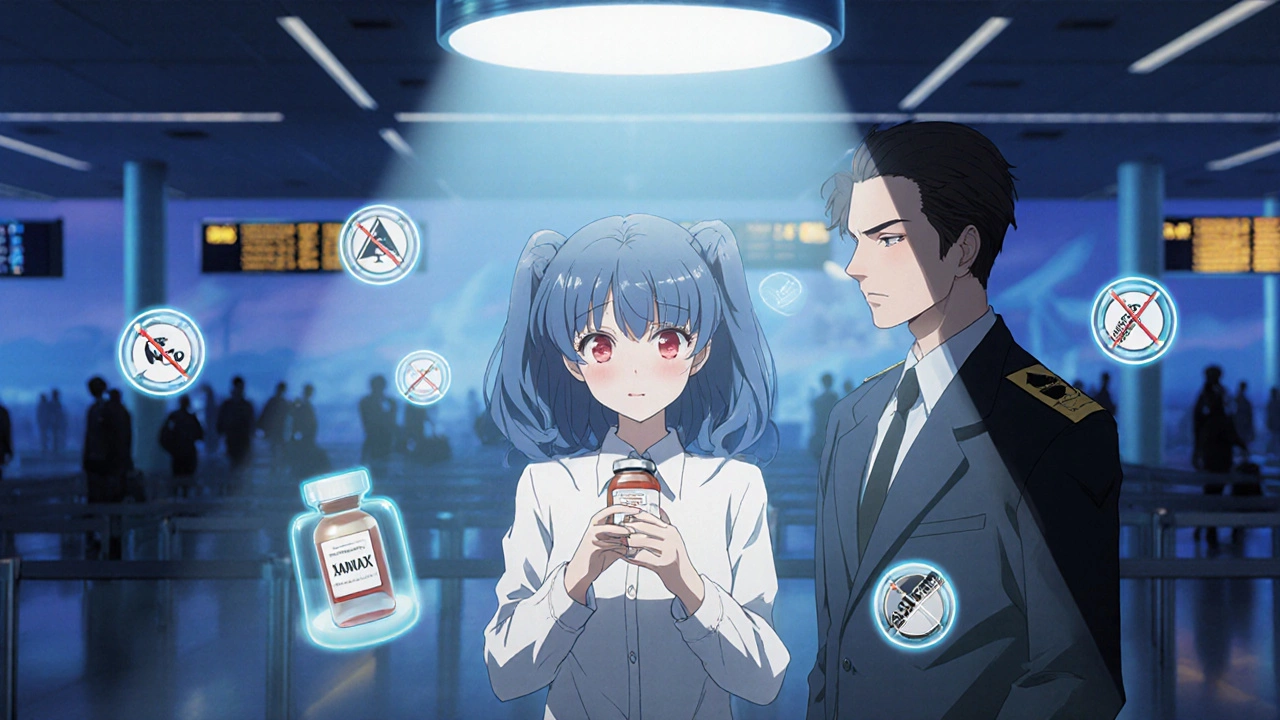
Learn how to safely travel with prescription medications abroad, avoid legal trouble, and ensure you have enough supply for your trip - with up-to-date rules for 2025.