Opioid Overdose Reversal: What Works, Who Needs It, and How to Act Fast
When someone stops breathing from an opioid overdose reversal, the emergency response to restore breathing after an opioid overdose, typically using naloxone. Also known as overdose intervention, it’s not just a medical procedure—it’s a moment that can bring someone back from the edge. Every year, tens of thousands of people in the U.S. alone die from opioid overdoses. But many of those deaths are preventable—if help arrives in time.
The star of opioid overdose reversal is naloxone, a medication that rapidly blocks opioid effects and restores normal breathing. It doesn’t work on other drugs like alcohol or benzodiazepines, but it’s life-saving for heroin, fentanyl, oxycodone, and other opioids. Naloxone comes in easy-to-use forms: a nasal spray you can give without training, or an auto-injector that talks you through the steps. It’s not addictive. It doesn’t get you high. And if someone didn’t take opioids, it does nothing. That’s why it’s safe to carry—even if you’re not a doctor.
But naloxone isn’t magic. It only lasts 30 to 90 minutes. Fentanyl and its stronger cousins can stay in the body much longer. That means someone can stop breathing again after naloxone wears off. That’s why calling 911 is just as important as giving the dose. Emergency responders need to know what happened, and they’ll monitor the person until they’re stable. Some people need more than one dose of naloxone. Some need three. It’s not a failure—it’s science. The goal isn’t to fix the addiction in that moment. The goal is to keep them alive so they can get help later.
Who should have naloxone? Anyone who uses opioids, whether prescribed or not. Family members, friends, coworkers, even strangers in public spaces. People on long-term pain meds. People recovering from addiction. People who use drugs alone. Overdoses don’t always happen in hospitals or clinics. They happen in homes, cars, alleys, and bathrooms. And they often happen when no one is around. That’s why training programs and free naloxone distribution have saved so many lives. You don’t need a prescription in most states. Pharmacies hand it out like allergy kits.
There’s a myth that giving naloxone encourages drug use. That’s not true. Studies show people who carry it don’t use more drugs—they use more carefully. They know someone’s watching. They know help is close. And when someone wakes up after an overdose, they often say the same thing: "I didn’t think I’d make it." That moment—the one where breathing comes back—is the most powerful thing in addiction recovery. It’s not the end of the problem. But it’s the only chance to start fixing it.
Below, you’ll find real stories and practical guides from people who’ve seen this play out—how to spot an overdose, how to use naloxone without panic, what to do after the rescue, and why some communities still struggle to get this tool into the right hands. This isn’t theory. It’s what works when seconds count.
New Drug Approvals: Recent Medications and Their Safety Profiles
Posted by Ian SInclair On 6 Dec, 2025 Comments (13)
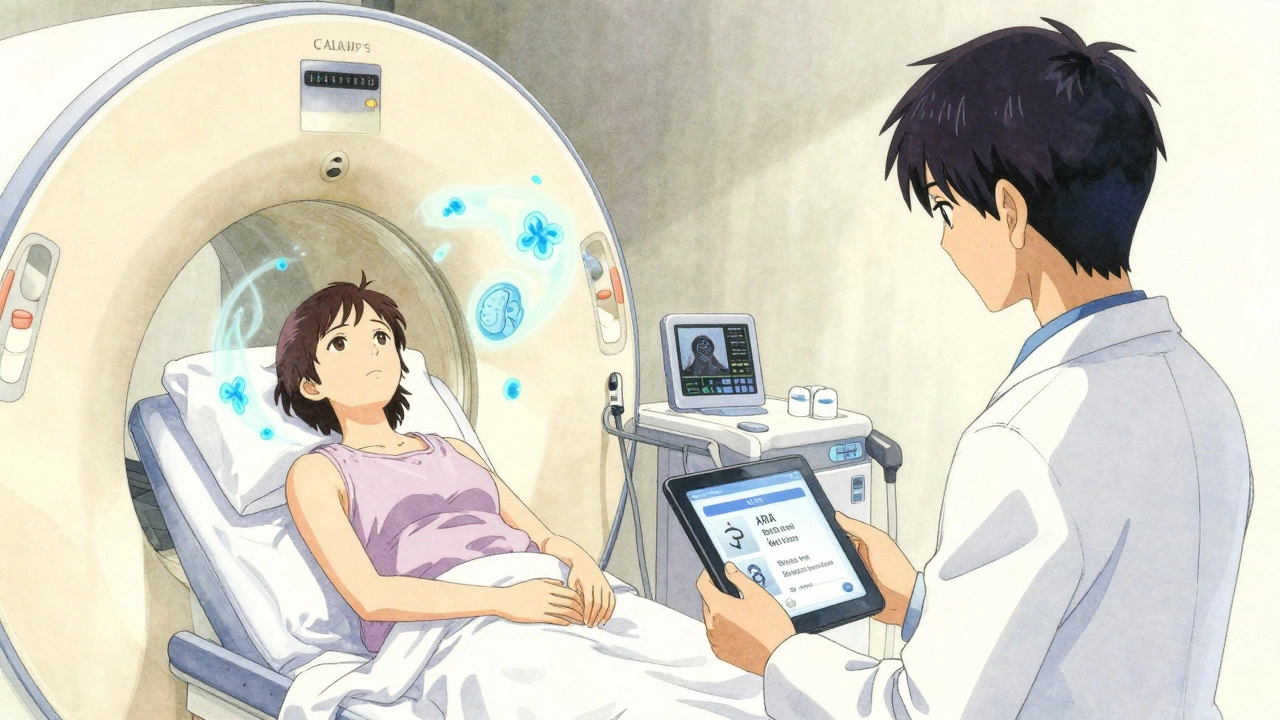
Explore the latest FDA-approved medications from 2024-2025, including new Alzheimer's, schizophrenia, and overdose treatments, and understand their real-world safety profiles and monitoring requirements.