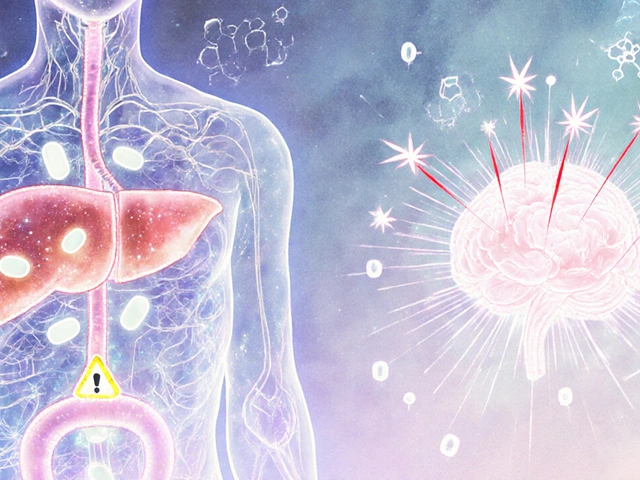
SSRI Side Effects: What You Need to Know Before Starting or Stopping
When you start taking an SSRI, a type of antidepressant that increases serotonin levels in the brain to improve mood. Also known as selective serotonin reuptake inhibitor, it’s one of the most commonly prescribed treatments for depression and anxiety. But while many people find relief, others face side effects that can be confusing, uncomfortable, or even alarming. Not all side effects are the same—some show up within days, others after weeks. Some fade. Some don’t. And stopping suddenly? That can trigger its own set of problems.
One of the most talked-about risks is serotonin syndrome, a rare but dangerous condition caused by too much serotonin in the body, often from mixing SSRIs with other drugs like certain painkillers or herbal supplements. Symptoms include rapid heartbeat, high fever, confusion, and muscle rigidity. It’s uncommon, but if you’re on multiple medications, it’s something your doctor should check. Then there’s SSRI withdrawal, a cluster of physical and mental symptoms that can happen when you stop taking the drug too quickly, even if you’ve been on it for just a few weeks. Think dizziness, brain zaps, nausea, or sudden mood swings. It’s not addiction—it’s your nervous system readjusting. But it feels awful, and many people don’t realize it’s normal until it hits them.
Other common side effects include nausea, especially in the first few weeks; sexual problems like low desire or trouble reaching orgasm; weight gain over time; and sleep changes—some people feel sleepy, others can’t sleep at all. These aren’t rare. In fact, studies show up to 60% of people on SSRIs report at least one of these. The key isn’t avoiding side effects entirely—it’s knowing what’s temporary, what needs attention, and when to talk to your doctor instead of quitting cold turkey.
What you’ll find below are real, practical posts from people who’ve been through this. Some detail how they managed nausea without quitting. Others explain how they tapered off safely after months on medication. One shares how brain zaps disappeared only after slowing their dose way down. Another warns about mixing SSRIs with certain pain meds. These aren’t theoretical—they’re lived experiences, backed by medical insight. Whether you’re just starting an SSRI, struggling with side effects, or thinking about stopping, this collection gives you what you need: clear, no-fluff advice that cuts through the noise.
Emotional Blunting from SSRIs: What It Is and How to Fix It
Posted by Ian SInclair On 24 Nov, 2025 Comments (11)

Emotional blunting from SSRIs affects up to 60% of users, causing numbness, loss of joy, and relationship strain. Learn how to recognize it, why it happens, and evidence-based ways to fix it without quitting your medication.