
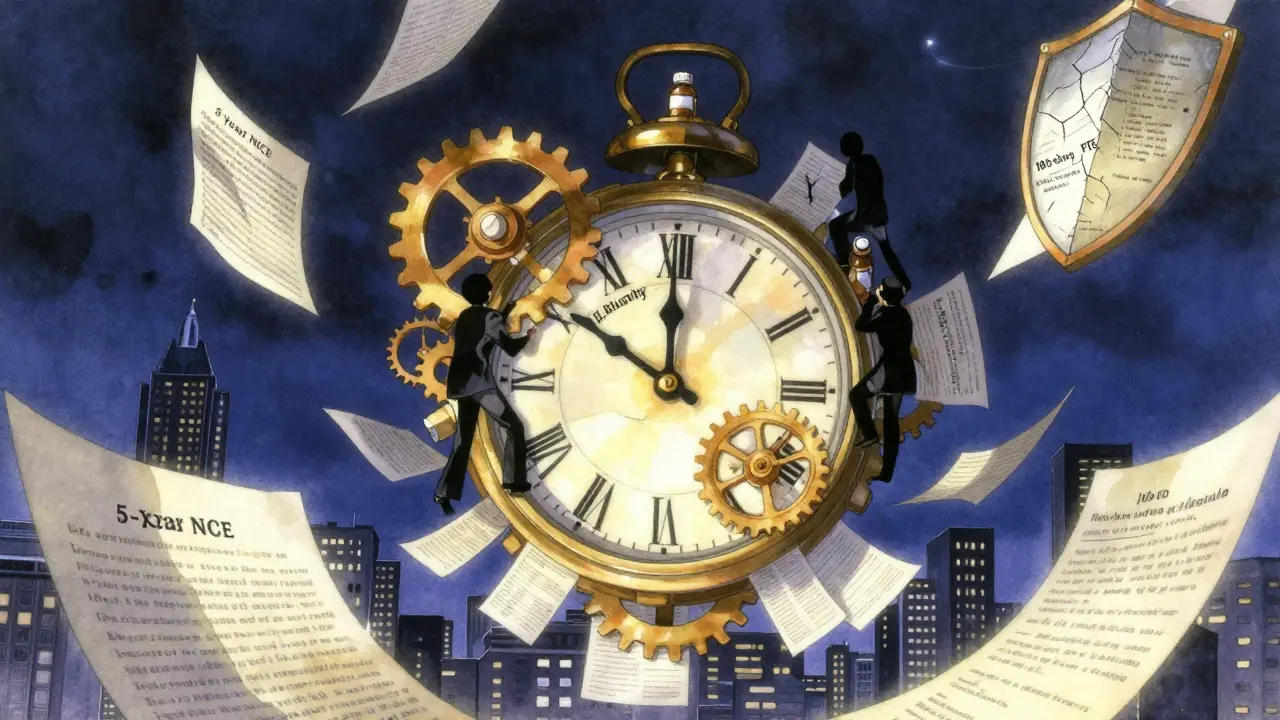
When a brand-name drug hits the market, it doesn’t stay alone for long. Somewhere down the line, a cheaper version will show up - but not until the clock runs out on its legal protection. That clock isn’t just about patents. It’s a tangled mix of patents, data exclusivity, and special rules that vary wildly from country to country. And understanding these differences isn’t just for lawyers or pharma execs - it affects how fast you get affordable medicine, what your insurance pays, and even whether life-saving drugs reach people in poorer countries.
How Long Do Generic Drugs Have to Wait?
The basic rule sounds simple: patents last 20 years from the date they’re filed. That’s true across the U.S., Europe, Japan, and most countries thanks to the TRIPS agreement from 1995. But here’s the catch - drug development takes 10 to 15 years. So by the time a drug gets approved and hits shelves, there’s often only 6 to 10 years left on the patent. That’s not enough time for a company to recoup the $2.3 billion it typically costs to bring a new drug to market, according to Tufts Center for the Study of Drug Development.
That’s why countries built extra layers of protection. These aren’t patents. They’re called exclusivity periods, and they’re separate legal tools that block generics even if the patent has expired. Think of them as a second fence around the drug market.
The U.S. System: A Maze of Protections
The United States has the most complex system. It’s not one rule - it’s a stack of rules that can overlap.
- New Chemical Entity (NCE) exclusivity: 5 years. No generic can even use the brand’s data to get approved during this time.
- Orphan Drug Exclusivity: 7 years for drugs treating rare diseases. This one’s been huge for cancer and rare condition treatments.
- 3-year exclusivity: For new clinical studies on existing drugs - like adding a new dosage or use.
- 6-month pediatric exclusivity: Added to any existing protection if the company tests the drug on children.
- Patent Term Extension (PTE): Up to 5 extra years, but the total protection after approval can’t go beyond 14 years.
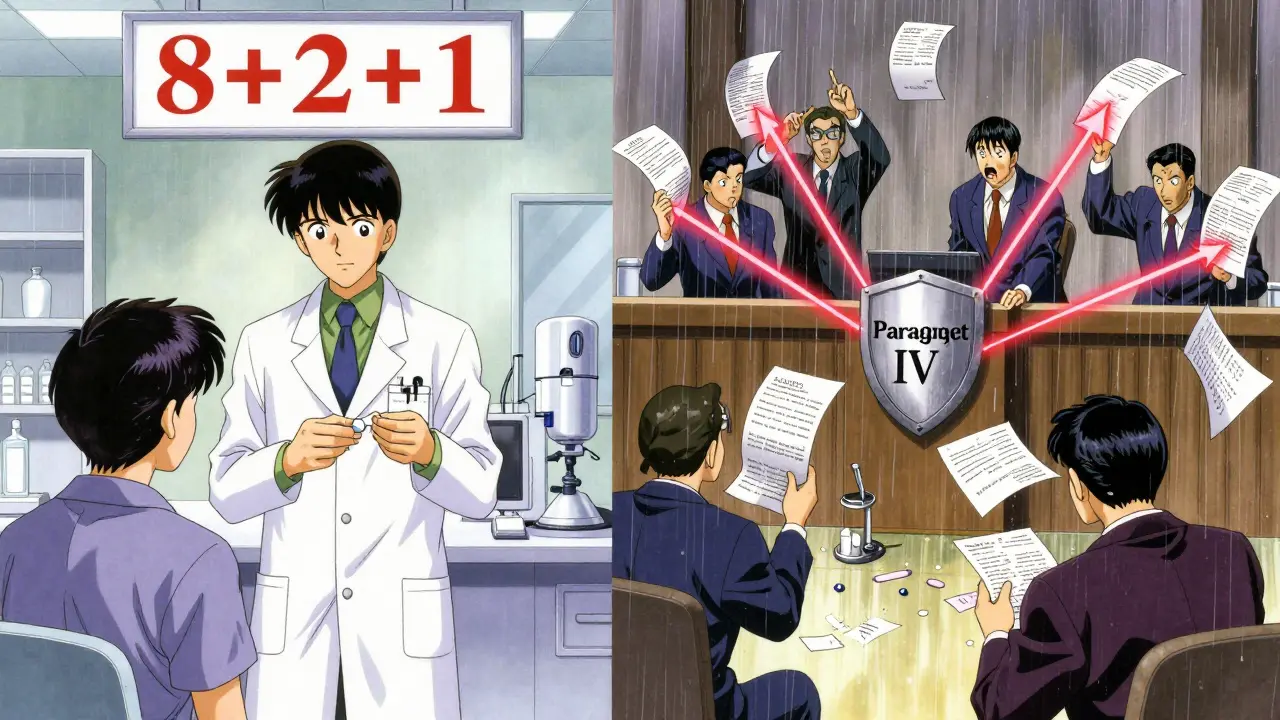
Then there’s the big one: the 180-day exclusivity for the first generic company that challenges a patent successfully. This is called a Paragraph IV challenge. The first company to file gets a head start - no other generic can enter for half a year. That’s worth billions. But it’s also led to shady deals. Some brand companies pay generics to delay their entry. The FTC has been fighting this for years, and courts have ruled these deals illegal if they’re not justified.
Here’s the reality: the average drug now has 142 patents listed in the FDA’s Orange Book, according to Teva’s CEO. That’s not one patent - it’s a wall. Generics have to pick through each one, decide which to challenge, and risk spending millions in legal fees just to get started.
Europe: More Predictable, Less Aggressive
Europe’s system is simpler - and more predictable. It follows an “8+2+1” model:
- 8 years of data exclusivity: Generics can’t use the original company’s clinical trial data to apply for approval.
- 2 years of market exclusivity: Even if a generic gets approved, it can’t be sold yet.
- 1-year extension: If the brand company adds a new, significant indication during the first 8 years, they get an extra year.
On top of that, the EU has Supplementary Protection Certificates (SPCs), which can add up to 5 more years of protection after the patent expires - but the total time from drug approval can’t exceed 15 years.
There’s no 180-day exclusivity for first challengers. No patent linkage system like the U.S. That means fewer lawsuits, but also slower generic entry. Generic companies in Europe don’t have the same financial incentive to challenge patents aggressively. The result? Fewer generics enter the market quickly, even after protection ends.
Canada, Japan, and Other Countries
Canada’s rules are close to Europe’s: 8 years of data protection and 2 years of market exclusivity. It’s a balanced system - enough to protect innovation, but not so long that generics are locked out.
Japan gives 8 years of data exclusivity and 4 years of market exclusivity for new chemical drugs. That’s longer than Europe’s market protection, but shorter than the U.S. system overall.
China changed its rules in 2020, extending data exclusivity from 6 to 12 years. Brazil did something similar in 2021 with a 10-year rule. These moves are partly about attracting big pharma investment - but they also delay access to cheap medicines for local patients.
Why This Matters for Global Health
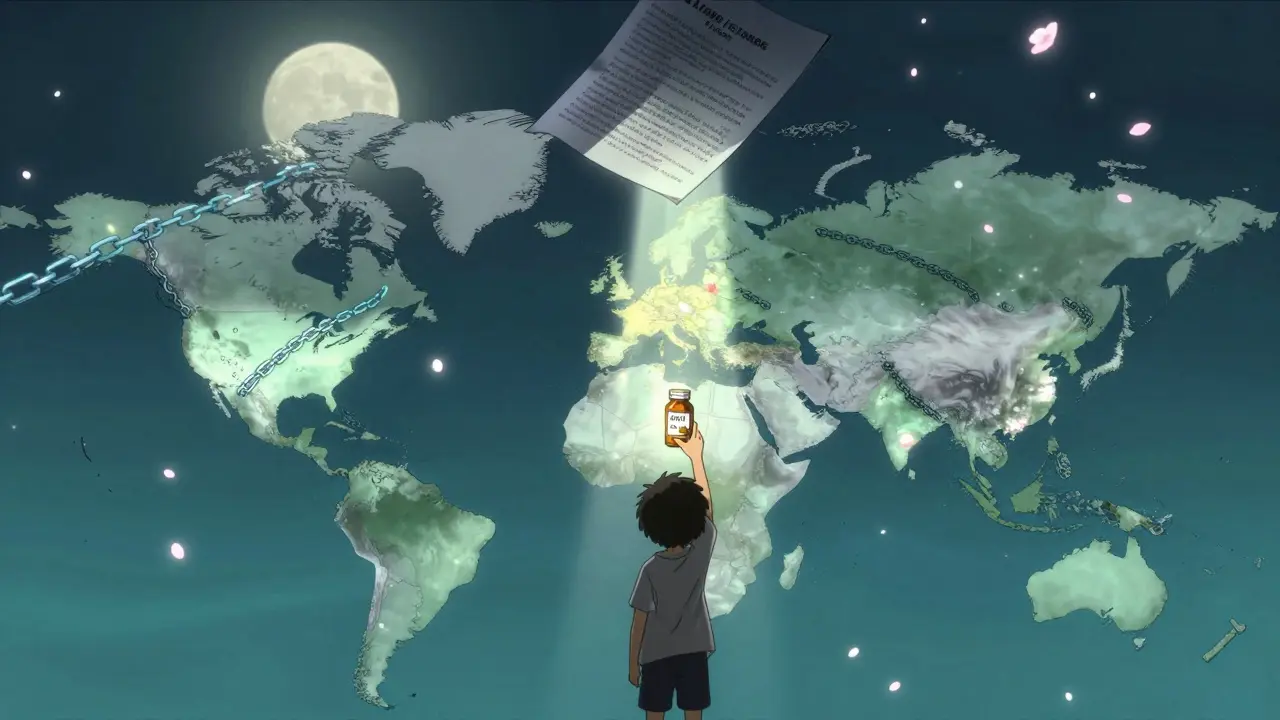
The gap between rich and poor countries is stark. A 2022 WHO report found that in high-income countries, generic versions of drugs appear after an average of 12.7 years. In low-income countries? It takes 19.3 years. Why? Because trade deals - like CETA between the EU and Canada - often force developing nations to adopt strict data exclusivity rules, even when patents have expired.
That’s not theoretical. In South Africa, data exclusivity clauses in EU trade agreements delayed generic HIV drugs by up to 11 years after patents expired. People died waiting. Dr. Ellen ‘t Hoen, an access-to-medicines expert, says these rules in trade deals are “a backdoor way to extend monopolies.”
Meanwhile, the U.S. and EU are under pressure to reform. The U.S. Congress is considering the Preserve Access to Affordable Generics Act, which would ban pay-for-delay deals. The EU is proposing to cut data exclusivity to 5 years for some drugs. Japan plans to speed up its patent review process. But change is slow.
What’s Next? The Numbers Don’t Lie
Between 2023 and 2028, $356 billion in global branded drug sales will face patent expiration, according to EY. That’s a massive shift. Generics will take over - but only if they can get through the legal hurdles.
When generics enter, prices drop 80-90% within a year. That’s why originator companies fight so hard to stretch exclusivity. Merck extended the effective life of Keytruda - its top cancer drug - from 8.2 to 12.7 years through patents and exclusivity tricks. That’s not illegal. It’s the system working as designed.
But the system is breaking. Dr. Aaron Kesselheim from Harvard found that originator companies now file an average of 38 additional patents per drug - not to protect real innovation, but to delay generics. These are patents on tiny changes: a new pill shape, a different coating, a slightly altered dose schedule.
Generic manufacturers are getting smarter. Mylan, for example, challenged 6 out of 12 patents on the EpiPen, redesigned the delivery system to avoid the remaining ones, and still got to market. That’s the future: not just waiting, but outmaneuvering.
What This Means for You
If you’re taking a brand-name drug today, you might be paying more than you need to. The clock is ticking on its exclusivity. But when it ends, you won’t necessarily see a generic tomorrow. It depends on where you live, what the drug is, and whether someone has the money and guts to challenge the patents.
Pharmacists in the U.S. report that 78% have seen delays in generic availability because of patent lawsuits or pay-for-delay deals. That’s not a glitch - it’s built into the system.
For now, the balance between innovation and access remains fragile. Companies need time to recover costs. Patients need affordable drugs. The system was meant to serve both. But as exclusivity periods grow longer and more complex, it’s becoming harder to tell who’s really being protected.
How long does a drug patent last in the U.S.?
A standard drug patent lasts 20 years from the filing date. But because drug development takes 10-15 years, the actual time a company has to sell the drug before generics arrive is often only 6-10 years. The U.S. allows Patent Term Extension (PTE), which can add up to 5 more years - but the total protection after FDA approval can’t exceed 14 years.
What’s the difference between a patent and exclusivity?
A patent protects the invention - the chemical formula or method of making the drug. Exclusivity is a regulatory tool that blocks generics from using the original company’s clinical data to get approved. You can have exclusivity even if the patent has expired. In the U.S., a drug can have both 5 years of NCE exclusivity and a 20-year patent - meaning generics might be blocked for 25 years total.
Why do some countries block generics longer than others?
It’s mostly about trade agreements and political pressure. Wealthy countries like the U.S. and EU pushed for strict data exclusivity rules in trade deals with developing nations. Countries like South Africa and India had to extend their exclusivity periods to meet these terms - even when it delayed life-saving generics. Some countries, like Brazil and China, have also extended exclusivity to attract big pharma investment.
Can a generic drug enter the market before a patent expires?
Yes - but only if the generic company challenges the patent and wins. In the U.S., this is done through a Paragraph IV certification. The first company to do this successfully gets 180 days of exclusivity. In Europe, generics can apply for approval once data exclusivity ends, but they can’t sell until the patent expires - and there’s no legal incentive to challenge patents early.
What’s the 180-day exclusivity in the U.S.?
It’s a reward for the first generic company that successfully challenges a brand-name drug’s patent. That company gets a 180-day window where no other generic can enter - even if the patent has expired. This creates huge financial incentive, but it’s also led to illegal pay-for-delay deals, where brand companies pay generics to delay entry. The FTC is still cracking down on these.
Do all countries have the same rules for orphan drugs?
No. In the U.S., orphan drugs get 7 years of exclusivity. In the EU, they get 10 years - and can get an extra 2 years if they treat an even rarer condition. This has helped spur development of treatments for diseases like cystic fibrosis and certain cancers. But critics say the system is being abused, with companies labeling common drugs as “orphan” to extend protection.
Final Thoughts: The System Is Broken - But It’s Not Going Away
There’s no perfect system. If exclusivity is too short, companies won’t invest in new drugs. If it’s too long, patients pay too much. Right now, the balance is tipping toward big pharma. Patent thickets, pay-for-delay deals, and trade-driven exclusivity rules are keeping generics off the market longer than they should.
But the pressure is building. The cost of drugs is rising. Governments are watching. Patients are demanding change. And generic manufacturers are getting better at fighting back.
The next five years will decide whether this system evolves - or collapses under its own weight. One thing’s certain: if you’re waiting for a generic drug, don’t assume it’s coming just because the patent expired. Check the rules. Ask your pharmacist. The answer might surprise you.
Rajni Jain
my cousin in delhi couldn't afford her chemo until generics came in - took 3 years after patent expiry bc of trade deal nonsense. people die waiting. this isn't just business, it's life or death.
Natasha Sandra
OMG YES 🙌 i literally cried when my insurance finally covered the generic for my asthma med after 2 years of paying $800/month. why do pharma CEOs get yachts while i choose between insulin and rent?? 😭
Erwin Asilom
The data exclusivity framework in the U.S. is structurally flawed because it conflates regulatory protection with intellectual property rights. The 5-year NCE exclusivity, when layered with patent term extensions and pediatric additions, creates de facto monopolies exceeding 15 years in many cases. This undermines the original intent of the Hatch-Waxman Act, which was to balance innovation with timely generic access. Legal scholars have consistently flagged this as regulatory overreach.
sakshi nagpal
It's fascinating how the global disparity in drug access reflects deeper inequities in trade policy. India, for example, has been a beacon for affordable generics - but pressure from the U.S. and EU through bilateral agreements is eroding that capacity. Countries like Brazil and China are now following suit, not out of public health need, but to attract pharmaceutical investment. This isn't about innovation - it's about market control. We need a global health-first framework, not one dictated by corporate lobbying.
Sandeep Jain
bro the patent thicket thing is wild. one drug got 142 patents?? like... how is that even legal? they just patent the color of the pill or something. my grandma’s blood pressure med cost 3x more than the generic cause they kept changing the coating. smh.
roger dalomba
Wow. A whole essay on how capitalism works. Groundbreaking.
Brittany Fuhs
U.S. innovation pays for the world’s medicine. Stop whining about generics. If India and China didn’t steal our tech, we wouldn’t have these drugs at all. You want cheap pills? Move to Bangladesh. We protect REAL science here.
Steven Destiny
THIS IS WHY WE NEED TO CRUSH PAY-FOR-DELAY. EVERY SINGLE ONE OF THOSE DEALS IS A CRIME AGAINST HUMANITY. MY DAD DIED BECAUSE THEY KEPT THE GENERIC OFF THE MARKET FOR 18 MONTHS. THEY GOT PAID TO KILL PEOPLE. LET’S BURN THE WHOLE SYSTEM DOWN.