
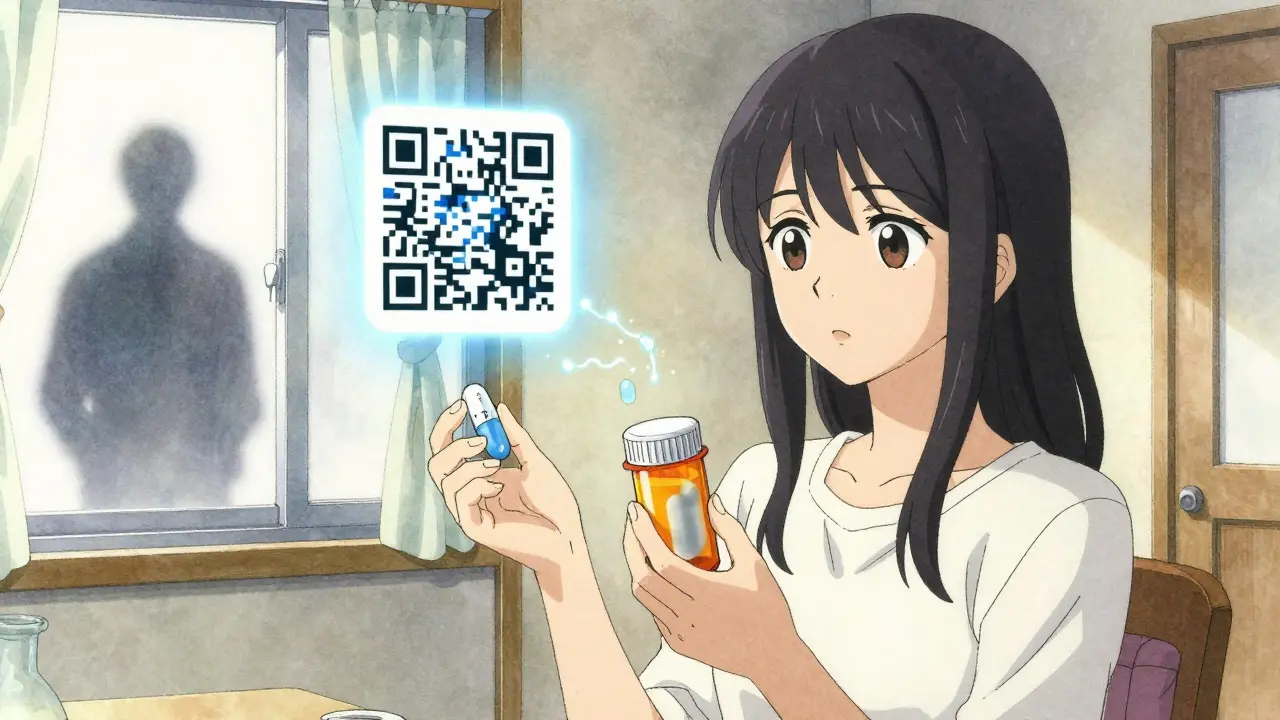
Every year, millions of people around the world take pills they think are real - but they’re not. Counterfeit drugs look identical to the real thing. Same color. Same shape. Same packaging. But inside? They might have no active ingredient. Too much. Or something dangerous altogether. And if you’re buying medicine online, from a street vendor, or even from a pharmacy that seems legit, you’re at risk.
Regulators and drug companies are trying to stop this. They’ve added barcodes, QR codes, and tamper-proof seals. But here’s the truth: the most powerful tool against fake medicines isn’t a scanner or a government law - it’s you. Your eyes. Your questions. Your willingness to check before you swallow.
Why Fake Medicines Are More Common Than You Think
Counterfeit drugs aren’t just a problem in poor countries. They’re everywhere. In the U.S. and Europe, about 1% of medicines sold are fake. Sounds low? That’s because those places have strong rules. But in parts of Africa and Southeast Asia, up to 30% of medicines on the market are counterfeit. That means in some places, three out of every ten pills you buy could be deadly.
Why does this happen? Because it’s profitable. Fake medicines cost pennies to make. Sell them for full price. And with online pharmacies popping up daily - many without any oversight - it’s easier than ever to slip fake drugs into the system. The World Health Organization says the global fake drug market is worth $200 billion a year. That’s more than the GDP of most countries.
And here’s the scary part: most people don’t know what to look for. A 2023 survey found that 63% of people in Europe couldn’t tell if their medicine had a real serial code. And 41% of Americans bought medicine online without checking if the website was certified. That’s like buying a car from a stranger in a parking lot and not checking the license plate.
The Five Things You Must Check Before Taking Any Medicine
You don’t need a medical degree to spot a fake pill. You just need to know what to look for. Here’s a simple, step-by-step checklist based on advice from the World Health Professions Alliance and real-world cases:
- Check the packaging. Look for spelling mistakes, blurry printing, or mismatched colors. Real drug companies don’t make these errors. If the box looks like it was printed on a home printer, walk away.
- Look for tamper-proof seals. Every legitimate medicine has a seal - a strip that breaks when opened. If it’s missing, loose, or looks like it’s been resealed, it’s fake. This is one of the easiest signs to spot.
- Compare the pills. If you’ve taken this medicine before, compare the new pills to the old ones. Color, size, shape, markings - even a tiny difference matters. A woman in Brazil noticed her diabetes pills had different letters stamped on them. She reported it. Later, ANVISA found 12,000 fake pills in her region.
- Verify the source. Only buy from licensed pharmacies. In the U.S., look for the .pharmacy seal on websites. In Australia, check the Therapeutic Goods Administration (TGA) list. If a site doesn’t ask for a prescription, it’s not legitimate. And never buy from social media, text messages, or pop-up ads.
- Use verification tools. Many countries now use QR codes on medicine boxes. Scan them with your phone. If it takes you to a government or manufacturer site showing the product’s journey - from factory to pharmacy - it’s real. If it just shows a generic ad? Red flag.
These steps aren’t optional. They’re your last line of defense. A 2022 study found that people who followed even three of these checks could spot 70-80% of counterfeit medicines just by looking.
What Happens When You Take a Fake Pill?
It’s not just about the medicine not working. It’s about what it might do to you.
Some fake antibiotics contain too little of the active ingredient. That doesn’t kill you right away - but it lets infections grow stronger. That’s how drug-resistant superbugs spread.
Others contain toxic chemicals - like rat poison, paint thinner, or industrial dyes. In 2023, the FDA reported cases where fake erectile dysfunction pills contained high doses of sildenafil (like Viagra) mixed with lead and methamphetamine. One man in Florida ended up in the ICU after taking one.
And then there are the fake cancer drugs. Patients who took them didn’t just lose money. They lost time. Time that could’ve saved their lives. In one documented case, a woman in India skipped real chemotherapy because she was taking a fake version. She died three months later.
These aren’t rare tragedies. They’re happening every day.
Why Technology Alone Can’t Save You
Drug companies are adding more tech: QR codes, blockchain, serialization, digital leaflets. France started using QR codes instead of paper leaflets in February 2024. Brazil followed in June. These are good steps.
But here’s the problem: technology only works if you know how to use it. And not everyone does. Older adults. People in rural areas. Those who can’t read. Those who can’t afford a smartphone. In low-income countries, only 29% of patients even try to verify their medicine. That’s why 30% of fake drugs still get through.
Even in rich countries, systems fail. A 2023 Reddit thread showed that only 28% of users checked for tamper seals. Most didn’t know what a serial code was. So if you rely only on tech, you’re trusting a system that most people don’t understand - and many systems can’t even detect.
Counterfeiters are getting smarter. Some now use 3D printing to replicate packaging perfectly. One test by INTERPOL found that 12% of fake pills passed visual inspection - even by trained pharmacists.
That’s why your eyes still matter.
Where Fake Medicines Come From - And How to Avoid Them
Most fake medicines enter through three channels:
- Online pharmacies without verification. 89% of counterfeit exposure comes from websites that don’t have the .pharmacy seal. These sites look real. They use fake reviews, professional logos, and even fake doctor endorsements.
- Street vendors and unlicensed clinics. In many countries, people buy medicine from roadside stalls because it’s cheaper. But these places have no quality control.
- Overseas shipments. Some people order drugs from overseas to save money. But customs doesn’t check every package. And if it arrives, there’s no guarantee it’s real.
Here’s how to stay safe:
- Only use pharmacies that are licensed in your country.
- If you’re buying online, verify the site through your national health agency’s list (like TGA in Australia or FDA in the U.S.).
- If a price seems too good to be true - it is. Fake drugs are often sold at 50-80% off. That’s not a deal. It’s a trap.
- Never buy from social media. No legitimate pharmacy will DM you asking if you want to buy insulin.
What to Do If You Find a Fake Medicine
If you find something suspicious - don’t throw it away. Don’t take it. Don’t ignore it.
Report it.
In Australia, contact the Therapeutic Goods Administration (TGA) through their online reporting tool. In the U.S., use the FDA’s MedWatch system. In the EU, contact your national medicines agency. In Brazil, ANVISA accepts reports via phone or app.
Pfizer reported that 14,000 consumer reports in 2023 led to 217 counterfeit drug busts across 116 countries. That’s 3.2 million doses kept from reaching patients.
Your report doesn’t just protect you. It protects someone’s mother. Someone’s child. Someone’s grandfather.
Real Stories - Real Consequences
One woman in Sydney bought a $15 bottle of blood pressure pills from a website she found on Facebook. The pills looked fine. She took them for two weeks. Then she got dizzy. Her blood pressure spiked. She went to the hospital. The pharmacy confirmed: fake. The pills had no active ingredient. She almost had a stroke.
Another man in Thailand bought fake diabetes pills online. He thought he was saving money. He wasn’t. His blood sugar kept rising. He lost vision in one eye. He later found out the pills contained sugar, not metformin.
And then there’s Maria Silva, the Brazilian patient who noticed the difference in her diabetes pills. She called her pharmacist. They tested it. The pills were fake. She reported it. Her report helped shut down a distribution ring that had sold 18,000 fake pills in her city.
These aren’t outliers. They’re examples of what happens when people pay attention.
What’s Changing - And What’s Next
More countries are rolling out digital verification. India started a blockchain pilot in April 2024 that lets you scan a pill and see its entire journey - from factory to shelf. France’s QR code system now replaces paper leaflets. By 2027, Pfizer says 95% of prescription drugs will have some form of consumer verification built in.
But here’s the catch: these tools only work if you use them. And if you don’t know how, you won’t.
That’s why education matters more than ever. WHO wants 70% of people in high-risk countries to understand how to check their medicine by 2028. That’s ambitious. But it’s possible - if we all do our part.
The best way to help? Talk about it. Tell your family. Your friends. Your neighbors. Show them how to check a pill. Share this checklist. Because the next fake drug might be the one you’re holding.
How can I tell if a medicine is fake just by looking at it?
Look for signs like misspelled words, blurry printing, mismatched colors, or loose or missing tamper-proof seals. Compare the pills themselves - real ones have consistent size, shape, color, and markings. If you’ve taken the medicine before, any difference is a red flag. Fake medicines often look almost perfect, but small details are off.
Can I trust online pharmacies that offer huge discounts?
No. Legitimate pharmacies don’t sell prescription medicines at 50-80% off. If a website offers a brand-name drug for way less than the market price, it’s likely fake. Always check if the website has a verified .pharmacy seal (in the U.S.) or is listed on your country’s official pharmacy registry. If it doesn’t require a prescription, it’s not legal.
What should I do if I suspect I’ve taken a counterfeit drug?
Stop taking it immediately. Save the packaging and any remaining pills. Contact your local health authority - like the TGA in Australia, FDA in the U.S., or ANVISA in Brazil - and report it. If you feel unwell, see a doctor right away. Reporting fake medicine helps protect others and can lead to investigations that shut down dangerous operations.
Are QR codes on medicine boxes reliable?
Yes - if they work properly. A real QR code will take you to an official government or manufacturer website showing details like batch number, expiration date, and manufacturing location. If the link leads to a generic ad, a random website, or doesn’t work at all, the medicine may be fake. Always check the URL before trusting the result.
Why aren’t more people checking their medicines?
Many people don’t know how. Others assume all pharmacies are safe. Some are afraid of being wrong. A 2023 survey found that 63% of people in Europe couldn’t identify a serial code, and 41% of Americans bought from unverified online pharmacies. Education is lacking. But awareness is growing - especially after real cases of harm.
Counterfeit drugs are a global crisis - but they’re not unstoppable. You don’t need to be an expert. You just need to be careful. Check the packaging. Question the price. Verify the source. Report the suspicious. That’s all it takes. And if enough people do it, fake medicines won’t stand a chance.

James Roberts
I love how this post says 'you're the most powerful tool' like it's some kind of superhero origin story. But let's be real - most people don't care until they or someone they love gets poisoned. Then they scream for regulation. Until then? They'll buy cheap insulin off Instagram because 'it's just one pill.'
And don't get me started on the 'QR code solves everything' crowd. I scanned one last month. Took me to a .xyz domain with a stock photo of a smiling grandma. The 'verified' stamp was just a PNG overlay. Tech is useless if you're not teaching people how to read the URL.
madison winter
I read the whole thing. Honestly? Too long. Just tell me what to do. Don't lecture me about global GDPs and WHO reports. I just want to know if my blood pressure pills are safe.
So. What's the one thing I should do before I swallow anything?
Michaela Jorstad
To the person who asked what the one thing is - check the seal. Always.
Even if it looks fine. Even if you've taken it before. Even if the pharmacy is right next to your favorite coffee shop.
It's not paranoia. It's habit. And habits save lives.
aine power
The real issue isn't counterfeit drugs. It's the collapse of trust in institutions. People buy fakes because they don't believe the system works. They've been burned by insurance denials, price gouging, and pharma scandals. So they gamble. And the system doesn't care - until someone dies.
Freddy King
Let’s run the numbers: 1% counterfeit in the US = 30 million pills. 30 million pills = 120,000 ER visits. 120,000 ER visits = $2.4B in healthcare costs. That’s not a moral issue. It’s an actuarial one. We’re paying for this with our premiums, our taxes, our time. And yet we treat it like a ‘you be careful’ PSA instead of a public health emergency.
Regulation isn’t overreach. It’s ROI.
Irish Council
QR codes? Blockchain? All distraction. The real problem is the FDA and DEA are corrupt. They take bribes from Big Pharma to ignore the flood of fakes. Why? Because the real drugs are overpriced. So they let the fakes in - to keep people alive long enough to keep buying the expensive ones.
Don’t trust any government. Don’t trust any pharmacy. Don’t trust any app. Your body is your only lab.
Tommy Chapman
I work in pharmacy. I’ve seen fake pills that looked better than the real ones.
And guess what? The people who buy them? They’re the same ones who complain about taxes but don’t mind paying $10 for a ‘miracle’ weight-loss pill from a guy on TikTok.
It’s not a drug problem. It’s a dumb problem. And no amount of QR codes is gonna fix that.
Chris Beeley
Let me tell you about my cousin in Lagos. She bought antimalarials from a roadside stall because the clinic wanted $50. She took them. She got better. Then she got worse. Then she got hospitalized. Turned out the pills had 2% artemisinin. The rest? Crushed aspirin and chalk.
She’s fine now. But her baby? He had brain damage.
And the vendor? He’s still selling. Because no one’s coming to shut him down.
So don’t lecture me about ‘you being the tool.’ The system is broken. And you’re not the solution. You’re the target.
Danielle Gerrish
I’m a nurse. I’ve seen what fake antibiotics do to kids. Not just the immediate stuff - the long-term stuff. The gut microbiomes that never recover. The immune systems that get confused. The way parents blame themselves because ‘they didn’t know.’
Here’s what I wish people understood: fake medicine doesn’t just kill. It erodes. It erodes trust in doctors. In science. In your own body.
So yes - check the seal. Yes - scan the code. But also - talk to your sister. Your neighbor. Your cousin. Tell them. Show them. Because silence is the real poison.
Laura B
I live in rural Kansas. Our pharmacy is a 45-minute drive. The one in town? They don’t carry my meds. So I order online. I thought I was being smart. Then I found out the website I used got shut down last month for selling fake insulin.
I’ve been taking it for 6 months.
I’m terrified. I don’t know what to do. I can’t afford to go to the city. I can’t afford to stop.
Is there a hotline? A free test? A way to know if I’m still alive?
Robin bremer
bro i just took a fake adderall and it felt like i was on fire and then i was on a rollercoaster and then i was in a lucid dream and then i cried for 3 hours lmao 😭💊
still better than my insurance copay tho
John Cena
I get it. The system is broken. But we don’t have to be.
I’ve taught my 72-year-old mom how to scan QR codes. She uses her iPad. She checks every pill. She calls the pharmacy if something looks off.
She’s not tech-savvy. She’s just careful.
That’s all it takes. Not a law. Not a blockchain. Just one person paying attention.
Jayanta Boruah
The phenomenon of counterfeit pharmaceuticals is not merely a logistical or regulatory challenge; it is a profound epistemological rupture in the social contract between the citizen and the healthcare apparatus. The commodification of life-saving substances has rendered the very notion of authenticity suspect. When the body becomes a site of economic transaction, the pharmacopeia becomes a vector of ontological uncertainty. One must therefore adopt a hermeneutics of suspicion - not merely toward packaging, but toward the entire epistemic framework that permits such degradation.
And yet, paradoxically, the very tools meant to restore trust - QR codes, blockchain - are themselves commodified, and thus, susceptible to the same corrosive logic. The solution lies not in technological augmentation, but in the reconstitution of communal epistemic authority.
Hariom Sharma
I’m from a village in Uttar Pradesh. We don’t have pharmacies. We have a guy who drives a van with medicines. He’s been doing it for 20 years. People trust him.
Last month, he got a shipment of fake diabetes pills. He didn’t know. He sold 300 bottles.
Two people died.
We held a meeting. We made a list. We started checking seals. We started asking questions. We started sharing photos.
Now, we’ve got 1,200 people checking every pill.
It’s not perfect. But it’s ours. And that’s what matters.
Nina Catherine
i just wanna say thank you for writing this. i had no idea any of this was happening. i always thought fake meds were just a third world problem. now i’m scanning every pill i get. even my vitamins.
also i just told my mom and my bestie and we’re all gonna start a little group chat to share pics of our pill bottles. it’s kinda funny but also… kinda important?
❤️