Antibiotic Absorption: How Your Body Takes in Antibiotics and Why It Matters
When you take an antibiotic absorption, the process by which an antibiotic enters your bloodstream after being swallowed, injected, or applied. It's not just about popping a pill—it's about whether your body actually gets the drug where it needs to go. If absorption is poor, the antibiotic won't work, no matter how strong the dose. That’s why some people feel worse after taking antibiotics—not because the drug is weak, but because their body didn’t absorb it properly.
Several things mess with antibiotic absorption. Food is a big one. Some antibiotics, like tetracycline, bind to calcium in dairy and become useless. Others, like amoxicillin, work better with food. Then there’s your gut microbiome. Antibiotics like cefprozil don’t just kill bad bacteria—they wipe out the good ones that help absorb nutrients and keep your digestive system running. A damaged microbiome can slow down how fast drugs move through your intestines, reducing their effectiveness. And if you’re on other meds—like antacids or iron pills—they can block absorption too. This isn’t theory. It’s why doctors tell you to take certain antibiotics on an empty stomach, or two hours apart from other pills.
Pharmacokinetics is the science behind all this. It’s how your body absorbs, moves, breaks down, and gets rid of a drug. For antibiotics, absorption is the first and most critical step. If the drug doesn’t get into your blood fast enough, it can’t reach the infection. That’s why some antibiotics are given as shots instead of pills—because oral absorption is too unreliable. Even something as simple as stomach acid levels can change how well an antibiotic works. People with acid reflux or those taking PPIs often have trouble absorbing certain antibiotics, which is why doctors sometimes adjust the dose or timing.
And here’s the catch: poor absorption doesn’t just mean the drug doesn’t work. It can make things worse. If the antibiotic concentration stays too low in your system, bacteria can survive and grow resistant. That’s how superbugs form—not just from overuse, but from under-dosing due to bad absorption. That’s why knowing how your body handles antibiotics matters more than you think. It’s not just about which drug you get, but when, how, and with what you take it.
What you’ll find in the posts below are real, practical stories and science-backed facts about how antibiotics behave in your body. From how food changes their effect, to how kidney function or gut health alters their journey, to why some people don’t respond to treatment even when they take their pills exactly as directed. These aren’t abstract medical concepts. They’re the hidden reasons why antibiotics sometimes fail—and what you can do about it.
Antibiotics and Dairy: Why Timing Matters for Drug Absorption
Posted by Ian SInclair On 23 Nov, 2025 Comments (12)
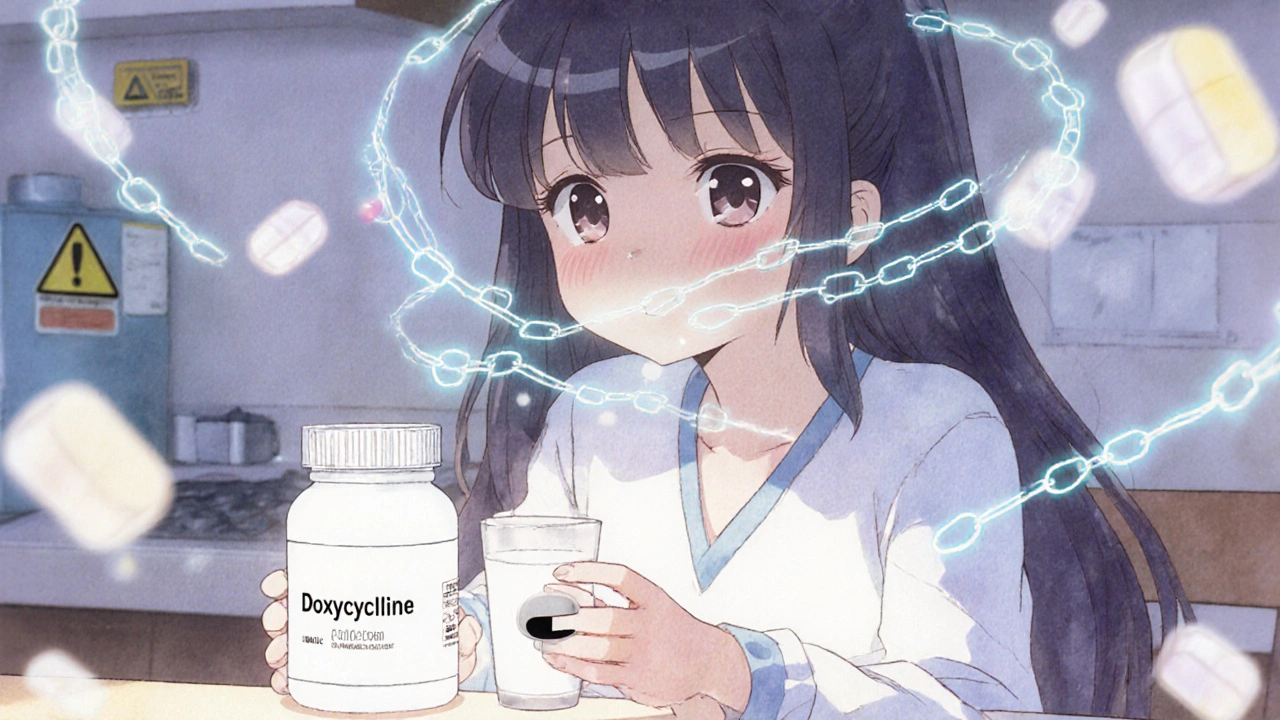
Dairy can block antibiotic absorption, reducing effectiveness by up to 92%. Learn which antibiotics are affected, how long to wait after milk or yogurt, and how to avoid treatment failure.