Generic Availability: What It Means and Why It Matters for Your Health
When we talk about generic availability, the ability to access FDA-approved versions of brand-name drugs at lower prices. Also known as generic drug access, it’s what keeps millions of people on life-saving medication without going broke. It’s not just about cost—it’s about whether your doctor can prescribe what works, when it’s needed, and without a wait.
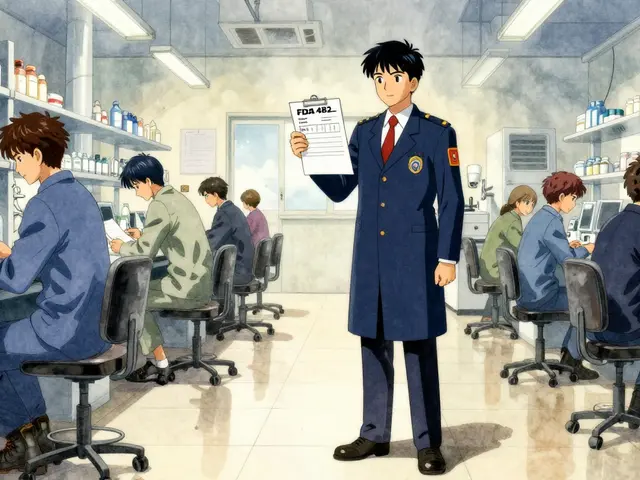
Behind every generic drug is a strict process. The FDA, the U.S. agency that ensures drugs are safe and effective. Also known as Food and Drug Administration, it doesn’t require new clinical trials for generics. Instead, it checks for bioequivalence, proof that the generic delivers the same amount of active ingredient into your bloodstream at the same rate as the brand. If it passes, it’s approved. That’s why 9 out of 10 prescriptions in the U.S. are filled with generics. They’re not cheaper because they’re weaker—they’re cheaper because the patent protection has expired and competition kicked in.
But generic availability isn’t guaranteed. Sometimes, legal tricks like patent thickets or authorized generics delay competition. The Hatch-Waxman Act, the 1984 law designed to balance innovation and access. Also known as Drug Price Competition and Patent Term Restoration Act, it gave generic makers a 180-day window to be the first to market after challenging a patent. But big pharma often fights back—by launching their own generic version right away, undercutting the challenger before it even gets started. That’s why some drugs sit on shelves for years, even after patents expire.
And then there’s pricing. Countries like Canada, Germany, and Australia use international reference pricing, a system where they set drug prices by comparing what other nations pay. The U.S. doesn’t. That’s why a generic version of a common heart drug might cost $4 in Canada and $40 here. It’s not about quality—it’s about policy.
What you’ll find here isn’t theory. It’s real-world insight. You’ll see how pharmacy stock systems keep generics on the shelf, how patients get stuck with expensive brand names when generics aren’t available, and why some people still fear generics even though science says they’re just as safe. You’ll learn how the FDA tracks problems after approval, how legal battles delay access, and how a simple change in drug labeling—like tall-man lettering—can prevent deadly mix-ups between similar-looking generics.
This isn’t about politics or profits. It’s about whether you can afford to take your medicine tomorrow. And if you can’t, what’s being done to fix it.
Generic Drug Availability: Why Your Medicine Costs Different Around the World
Posted by Ian SInclair On 4 Dec, 2025 Comments (15)
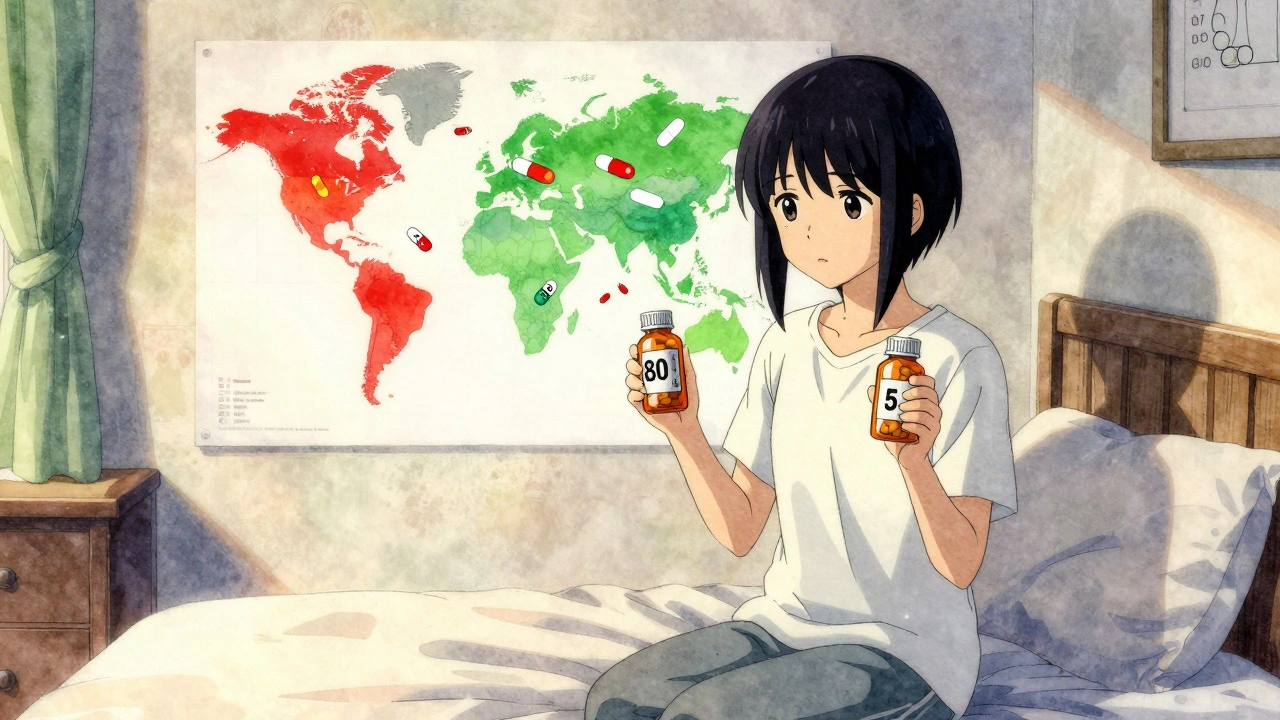
Generic drugs save money - but not everywhere. Why do prices and availability vary wildly across countries? From India's manufacturing dominance to U.S. pricing quirks, here's how global drug access really works.