Generic Drug Competition: How Cheap Medicines Shape Your Health Costs
When you pick up a prescription and see a much lower price than the brand-name version, you’re seeing the effect of generic drug competition, the market process where multiple manufacturers produce identical versions of a drug after its patent expires. Also known as generic pharmaceutical competition, it’s one of the biggest reasons prescription costs have dropped over the last 20 years. Without it, drugs like metformin or lisinopril would still cost hundreds per month instead of a few dollars.
But patent litigation, legal battles that delay generic entry by exploiting loopholes in drug patent rules is slowing this down. Companies file serial lawsuits, list every minor patent in the Orange Book, the FDA’s official list of approved drug products with therapeutic equivalence evaluations, and tie up generics in court for years. This isn’t about innovation—it’s about holding onto profits. Meanwhile, drug pricing, how governments and insurers set what pharmacies charge for medications is being shaped by policies like international reference pricing, where countries look at what others pay and use that as a ceiling. That’s why generic drugs are cheaper in Canada or Germany than in the U.S.—and why shortages sometimes happen when prices get too low for manufacturers to profit.
It’s not all about cost. Generic drug competition also pushes quality. More manufacturers mean more scrutiny. The FDA doesn’t test every batch after approval, but it watches for reports of side effects, manufacturing flaws, and therapeutic failures. When a generic fails to work as expected, it’s often because of a bad batch—not because the drug itself is inferior. That’s why pharmacy inventory systems now track generic turnover rates, and why some hospitals stock multiple generic brands to avoid supply gaps.
What you’ll find here isn’t theory. These are real stories from the front lines: how a single patent lawsuit delayed a life-saving generic for three years, how a pharmacy cut costs by switching stocking strategies, and how international pricing rules created unexpected shortages. You’ll see how patients and providers navigate this system—and how you can too.
180-Day Exclusivity and Authorized Generics: What You Need to Know About the Legal Battle
Posted by Ian SInclair On 29 Nov, 2025 Comments (13)
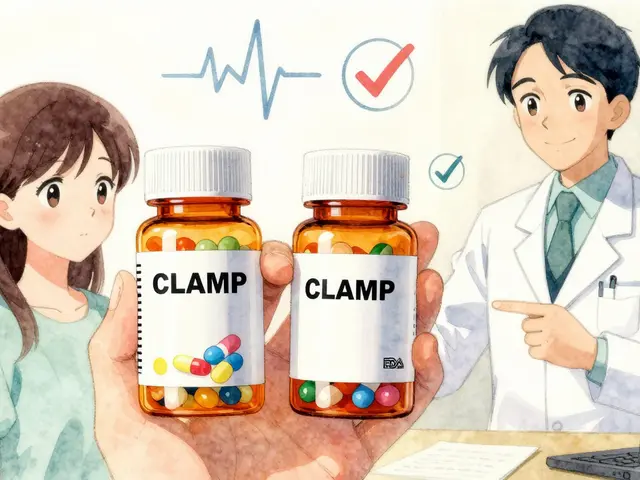
The 180-day exclusivity rule was meant to reward generic drug companies for challenging patents - but authorized generics let brand-name makers undercut them. Here’s how the law works, why it’s failing, and what’s being done to fix it.