Global Drug Prices: What You Pay and Why It Varies So Much
When you hear global drug prices, the varying costs of medications across different countries based on policy, negotiation, and market rules. Also known as international pharmaceutical pricing, it's not about how much a pill costs to make—it's about who gets to set the price, and who's forced to pay it. The same insulin, the same antibiotic, the same blood pressure pill can cost $3 in India, $30 in Canada, and $300 in the U.S. That’s not a mistake. It’s the system.
One big reason for this gap is international reference pricing, a method where countries base their drug prices on what other nations pay. Countries like the UK, Germany, and Australia use this to keep costs low. They look at what neighbors pay, then negotiate down. The U.S. doesn’t do this—and that’s why brand-name drugs there often cost more than anywhere else. But here’s the twist: even generic drug prices, low-cost versions of brand-name medicines that are chemically identical aren’t always cheap everywhere. In some places, generics are so cheap they’re practically free. In others, even generics get marked up because of supply chain issues, pharmacy markups, or lack of competition.
It’s not just about the drug itself. It’s about the rules. The pharmaceutical pricing, the system of how drug manufacturers, insurers, and governments determine what a medication costs is full of loopholes. Some companies delay generics by filing endless patent lawsuits. Others sell authorized generics right after a brand launches, crushing the first generic competitor before it even gets started. And while some countries cap prices, others let the market run wild—resulting in wild price swings for the same medicine.
What you pay isn’t random. It’s tied to whether your country negotiates, regulates, or just lets drugmakers decide. It’s tied to whether your pharmacy is part of a bulk-buying group. It’s tied to whether your government allows parallel imports from cheaper markets. And it’s tied to whether you’re lucky enough to live somewhere that puts health ahead of profit.
Below, you’ll find real stories and breakdowns of how these systems work—and fail. You’ll see how patent battles delay affordable meds, how countries fight to keep prices down, and why some generics still cost too much. Whether you’re trying to stretch your budget, travel abroad with prescriptions, or just understand why your neighbor pays half what you do, these posts give you the facts—not the marketing.
Generic Drug Availability: Why Your Medicine Costs Different Around the World
Posted by Ian SInclair On 4 Dec, 2025 Comments (15)
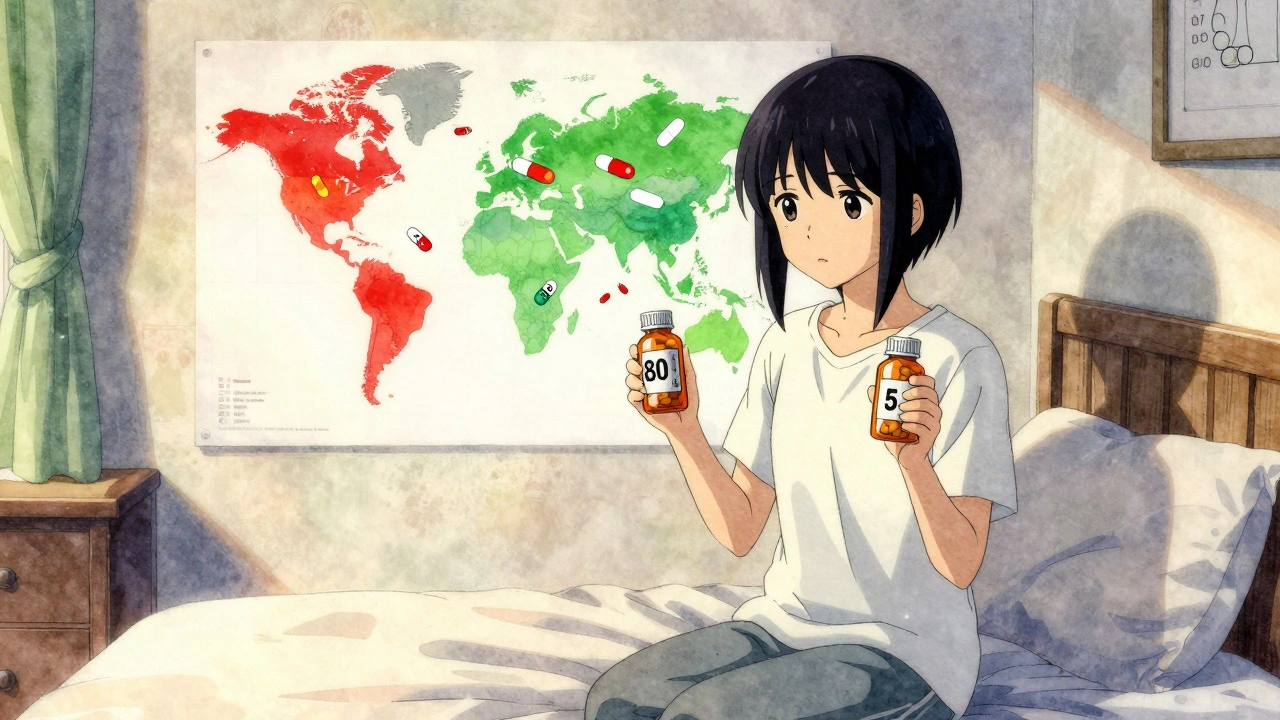
Generic drugs save money - but not everywhere. Why do prices and availability vary wildly across countries? From India's manufacturing dominance to U.S. pricing quirks, here's how global drug access really works.