International Pharmacy: What You Need to Know About Buying Medications Abroad
When you hear international pharmacy, a pharmacy that ships or sells medications across national borders, often at lower prices than domestic providers. Also known as overseas pharmacy, it’s a go-to option for people seeking affordable generic drugs—but it’s also a minefield of legal risks and counterfeit products. Many turn to these services because U.S. drug prices are among the highest in the world, while countries like Canada, India, and the UK use international reference pricing, a system where governments set drug prices by comparing costs across other nations to keep medications cheap. That’s why someone in America might pay $300 for a month’s supply of a brand-name drug, while the same pill costs $30 from a verified international pharmacy.
But not all international pharmacies are created equal. The FDA doesn’t approve most foreign pharmacies, and many sites sell fake, expired, or contaminated drugs. The good news? Some countries have strict quality controls. For example, Canadian pharmacies must meet the same standards as U.S. ones, and Indian manufacturers supply over 40% of the generic drugs used in America. The key is knowing which ones are legitimate. Look for sites that require a prescription, list a physical address, and are certified by programs like VIPPS or the Canadian International Pharmacy Association. Avoid sites that sell controlled substances without a prescription or offer "miracle cures"—those are red flags.
Traveling with meds? That’s another layer. Some countries ban common U.S. prescriptions—like Adderall or oxycodone—even with a doctor’s note. Others require you to carry your meds in original bottles with labels intact. The medication regulations abroad, rules that vary by country on what drugs you can bring in, how much, and how they must be packaged aren’t always easy to find. That’s why it’s smart to check the embassy website of your destination before you fly. And if you’re ordering meds to be shipped overseas, make sure you understand customs rules. A package labeled "dietary supplement" might get seized if it contains a prescription drug.
Behind the scenes, the whole system is shaped by pharmaceutical price control, government policies that limit how much drugmakers can charge, especially for generics. Countries like Germany and Australia negotiate bulk prices, which is why their generic drugs are so affordable. Meanwhile, patent laws and litigation in the U.S. delay cheaper versions from hitting the market—pushing people to look elsewhere. That’s why you’ll see so many articles here about generic drug competition, authorized generics, and how patent litigation blocks access. These aren’t abstract legal issues—they directly affect whether you can afford your meds at all.
What you’ll find below are real, practical guides on how to navigate this world safely. From how to pack your meds for a trip abroad, to spotting a fake online pharmacy, to understanding why some countries can sell the same drug for a fraction of the price—you’ll get clear, no-fluff advice based on actual cases and regulations. No hype. No scare tactics. Just what you need to know before you click "buy" or board a plane.
Generic Drug Availability: Why Your Medicine Costs Different Around the World
Posted by Ian SInclair On 4 Dec, 2025 Comments (15)
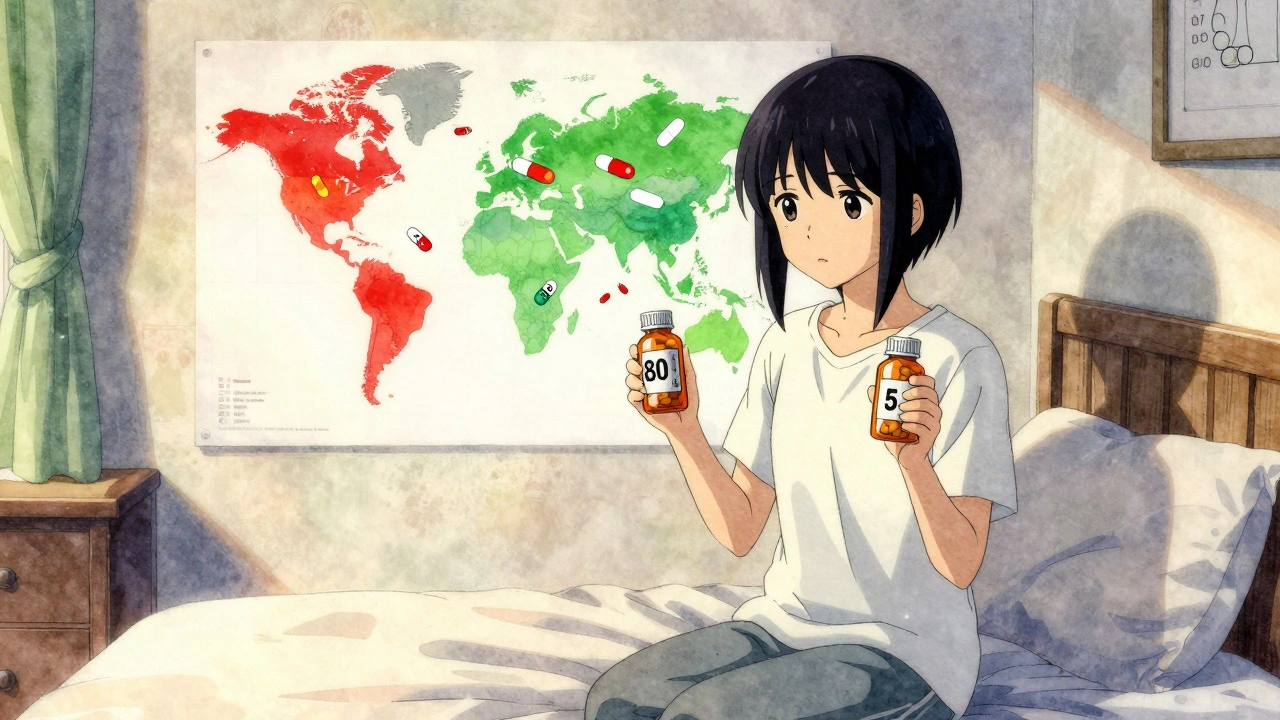
Generic drugs save money - but not everywhere. Why do prices and availability vary wildly across countries? From India's manufacturing dominance to U.S. pricing quirks, here's how global drug access really works.