International Travel Medication: What to Pack and Why It Matters
When you’re heading abroad, international travel medication, the drugs and supplies you carry to stay healthy while crossing borders. Also known as travel health kit, it’s not just about packing your daily pills—it’s about preparing for what your body might face in a new environment. A fever in Bangkok, stomach trouble in Mexico, or a sudden allergy in Tokyo can turn a trip sour fast. And if you’re on chronic meds like blood thinners, thyroid pills, or antidepressants, running out or having them seized at customs isn’t just inconvenient—it’s dangerous.
Many travelers don’t realize that prescription drugs abroad, medications approved in one country but restricted or banned in another. Also known as controlled substance regulations, they vary wildly—some countries treat common painkillers like opioids as illegal, while others require a doctor’s letter just to carry ADHD meds. For example, the U.S. allows Adderall, but Japan treats it like cocaine. Germany lets you bring insulin without paperwork, but Australia demands a declaration form. Even something as simple as melatonin is classified as a prescription drug in the UK and Australia. Ignoring these rules can mean your meds get confiscated, or worse—you get detained.
Then there’s vaccine requirements, the shots you need—or are legally required—to enter certain countries. Also known as immunization protocols, they’re not just about yellow fever in Africa or typhoid in South Asia. Some places now ask for proof of COVID boosters, polio vaccination, or even meningitis shots before you can board a plane or enter a hotel. The CDC and WHO update these lists constantly. A trip to Brazil might need a yellow fever certificate, while visiting Saudi Arabia for Hajj requires meningococcal vaccination. Skipping these isn’t just risky—it can block your entry.
And let’s not forget medication safety while traveling, how to store, carry, and use drugs properly when you’re away from your usual routine. Also known as travel pharmacy best practices, this includes keeping pills in original containers, avoiding heat or humidity (which can ruin insulin or epinephrine), and never mixing meds in pill organizers without labeling them. A study from the U.S. Travel Health Network found that 40% of travelers who ran out of meds didn’t plan ahead. Some didn’t know their insurance wouldn’t cover refills overseas. Others didn’t realize their meds could interact with local foods or water. One traveler took ibuprofen with contaminated water and ended up with acute kidney injury.
You don’t need a pharmacy in your suitcase, but you do need a smart one. Pack extra supply—10-15% more than your trip length. Bring a doctor’s note listing your meds and conditions. Keep a printed list of generic names in case your brand isn’t available. Know where to find a pharmacy in your destination. And if you’re on blood thinners, anticoagulants, or anything that affects clotting, know how to handle injuries or surgery abroad.
Below, you’ll find real, practical guides on what to bring, what to avoid, and how to handle common problems—whether it’s antibiotics that clash with dairy, how to manage SSRIs on long flights, or why your insulin might fail in extreme heat. No fluff. Just what works.
How to Get Enough Medication Before International Travel: A Practical Guide
Posted by Ian SInclair On 21 Nov, 2025 Comments (14)
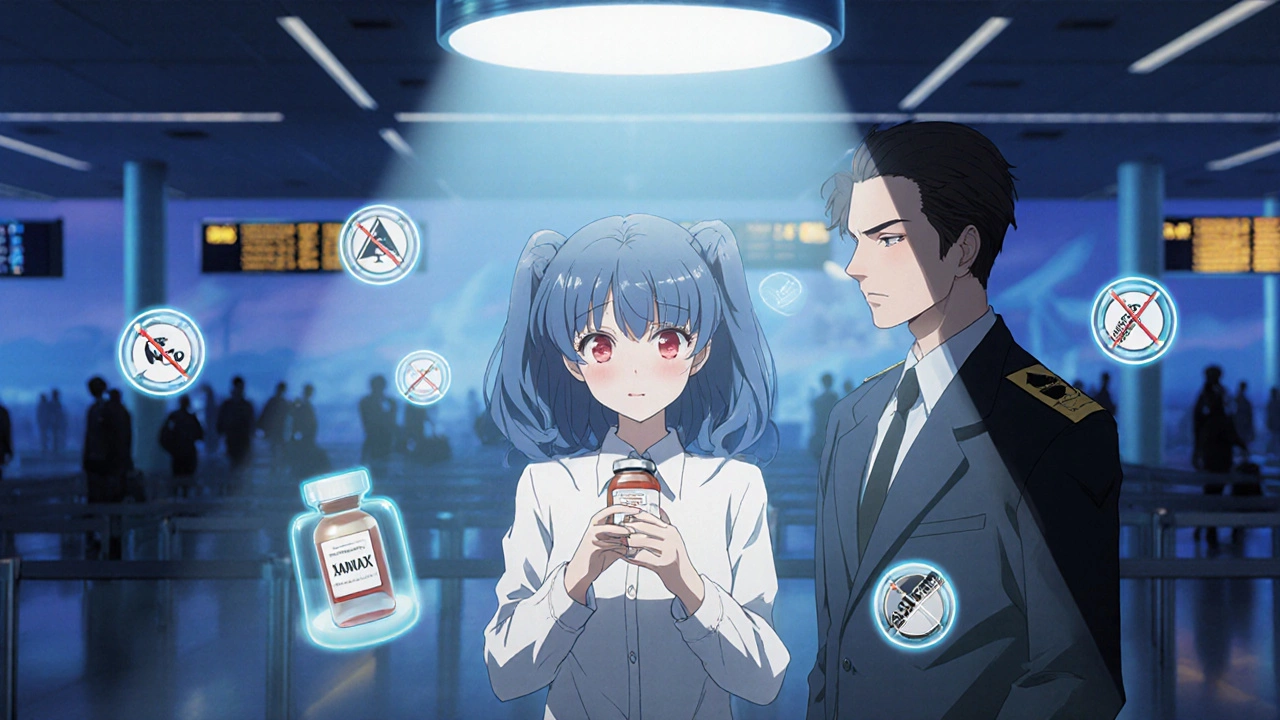
Learn how to safely travel with prescription medications abroad, avoid legal trouble, and ensure you have enough supply for your trip - with up-to-date rules for 2025.