Kidney Recovery After AIN: What Helps and What Doesn't
When your kidneys get injured from acute interstitial nephritis (AIN), a type of kidney inflammation often caused by drugs, infections, or autoimmune reactions. It's not a death sentence — most people recover kidney function if caught early and treated right. AIN doesn’t always mean permanent damage. Many patients see their renal function, how well the kidneys filter waste and balance fluids bounce back to normal within weeks or months. But recovery isn’t automatic. It depends on what caused it, how long it lasted, and what you do next.
medication-induced kidney injury, a leading cause of AIN, especially from antibiotics, NSAIDs, and proton pump inhibitors is one of the most common triggers. Stop the drug, and the body often starts repairing itself. But if you keep taking it, or if the inflammation was severe, scarring can set in. That’s when recovery slows — or stops. Blood tests and urine checks are your best tools to track progress. A drop in creatinine? Good sign. Persistent protein in urine? Watch out. Your doctor might also check for eosinophils or do a biopsy if things aren’t clearing up.
Hydration matters. Drinking enough water helps flush out toxins and reduces swelling in the kidney tissue. But don’t overdo it — too much fluid can strain damaged kidneys. Avoid NSAIDs like ibuprofen or naproxen even after recovery — they’re a major relapse risk. Also, watch your salt and protein intake. High sodium increases blood pressure, which stresses the kidneys. Too much protein? It forces them to work harder. Simple changes like swapping processed snacks for fruit, or choosing lean meats over bacon, make a real difference.
Some people think herbal supplements or detox teas help. They don’t. In fact, poisonous buttercup, a toxic plant sometimes wrongly promoted as a natural remedy, can make kidney damage worse. Stick to science-backed care. If you’re on long-term steroids for autoimmune AIN, your adrenal recovery matters too — ACTH stimulation test, a way to check if your body can still make cortisol after steroid use might be needed. It’s not just about the kidneys; it’s about your whole system healing together.
Recovery isn’t just about waiting. It’s about acting. Know your triggers. Track your numbers. Talk to your pharmacist about what meds are safe now. The right choices after AIN can mean the difference between full recovery and chronic kidney disease. Below, you’ll find real stories, practical tips, and clear guidance from posts that cut through the noise — no fluff, just what works.
Acute Interstitial Nephritis: How Drugs Trigger Kidney Inflammation and What Recovery Really Looks Like
Posted by Ian SInclair On 22 Nov, 2025 Comments (10)
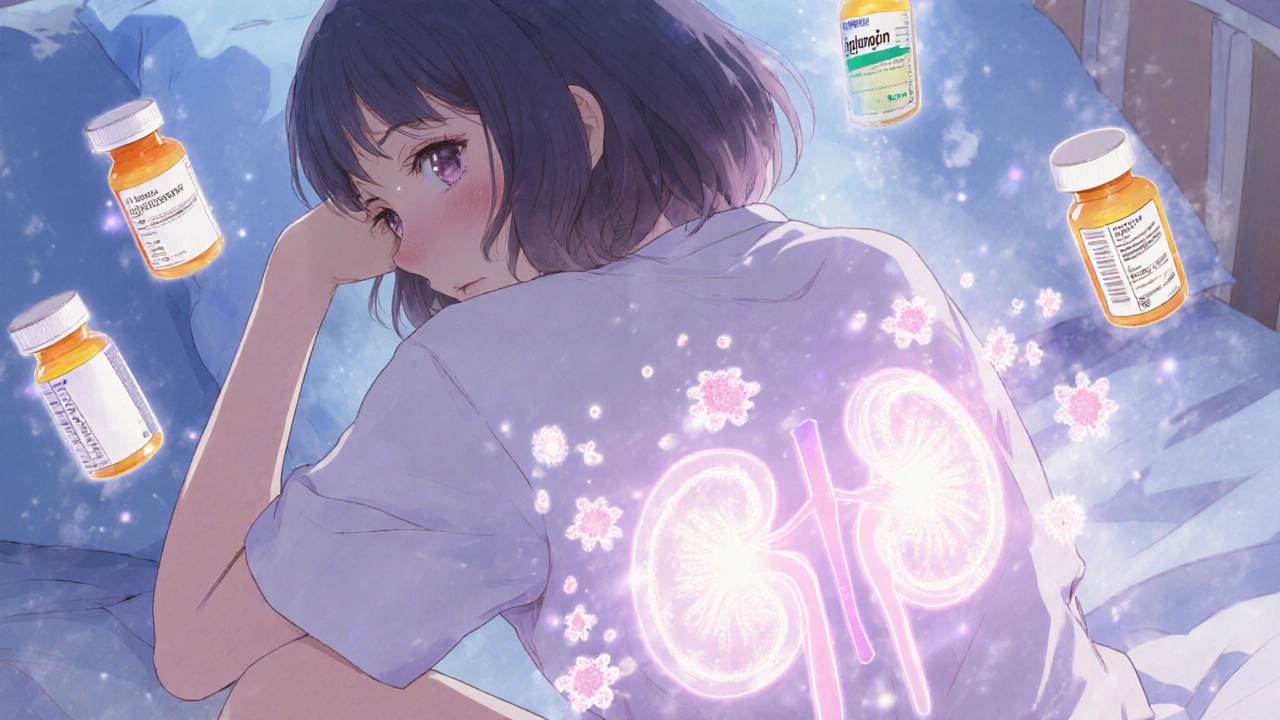
Acute interstitial nephritis is a serious kidney reaction to common drugs like PPIs and NSAIDs. Learn how it develops, which medications cause it, and why early action is critical for recovery.