
Packing Meds for Travel: What You Need to Know Before You Go
When you’re packing meds for travel, the process of preparing prescription and over-the-counter medications for trips across borders or long distances. Also known as travel medication preparation, it’s not just about tossing bottles into your suitcase—it’s about staying legal, safe, and on schedule. Millions of people fly with meds every year, but many run into problems at security, customs, or worse—run out because they didn’t plan right.
TSA medication rules, the guidelines set by the U.S. Transportation Security Administration for carrying drugs on flights. Also known as airline drug policies, they allow pills, liquids, and injectables in carry-ons, but require clear labeling and sometimes documentation. If you’re flying internationally, international drug laws, the varying legal restrictions on medications across countries. Also known as cross-border pharmaceutical regulations, they can ban common drugs like pseudoephedrine, tramadol, or even certain ADHD meds. What’s legal in the U.S. might be classified as a controlled substance in Japan, Germany, or Dubai. You don’t want to get detained because your sleep aid isn’t allowed.
Most people skip the basics: keeping meds in original bottles, carrying a doctor’s note, and using a pill organizer, a device that sorts daily doses to reduce errors and simplify travel. Also known as medication dispenser, it helps avoid missed doses and makes security checks smoother. But it’s not just about organization—it’s about protection. Heat, humidity, and pressure changes can ruin tablets and liquids. Keep insulin cool. Store antibiotics dry. Don’t leave your thyroid meds in the car trunk on a 90-degree day.
Some medications need special handling—like insulin pens, injectables, or liquid antivirals. These often require a letter from your doctor explaining why you need them. Airlines don’t always know the rules, so having printed copies helps. If you’re on blood thinners, mood stabilizers, or chronic pain meds, you’re not alone. Nearly half of long-distance travelers carry at least one prescription. But only 12% bring a written list of all their meds, and even fewer check if their drugs are legal at their destination.
You might think, "I’ve flown with this for years, nothing ever happened." But one missed detail—a customs officer who doesn’t recognize your brand name, a lost bag with your only supply, a flight delay that runs past your dosing window—can turn a smooth trip into a medical emergency. The best travelers don’t just pack meds. They plan them.
Below, you’ll find real stories and practical guides from people who’ve been there: how to carry injectables through airport scanners, which countries ban common OTC painkillers, why you should never pack meds in checked luggage, and how to refill prescriptions abroad without getting scammed. Whether you’re flying for business, vacation, or medical tourism, these tips will save you time, stress, and maybe even your health.
How to Get Enough Medication Before International Travel: A Practical Guide
Posted by Ian SInclair On 21 Nov, 2025 Comments (14)
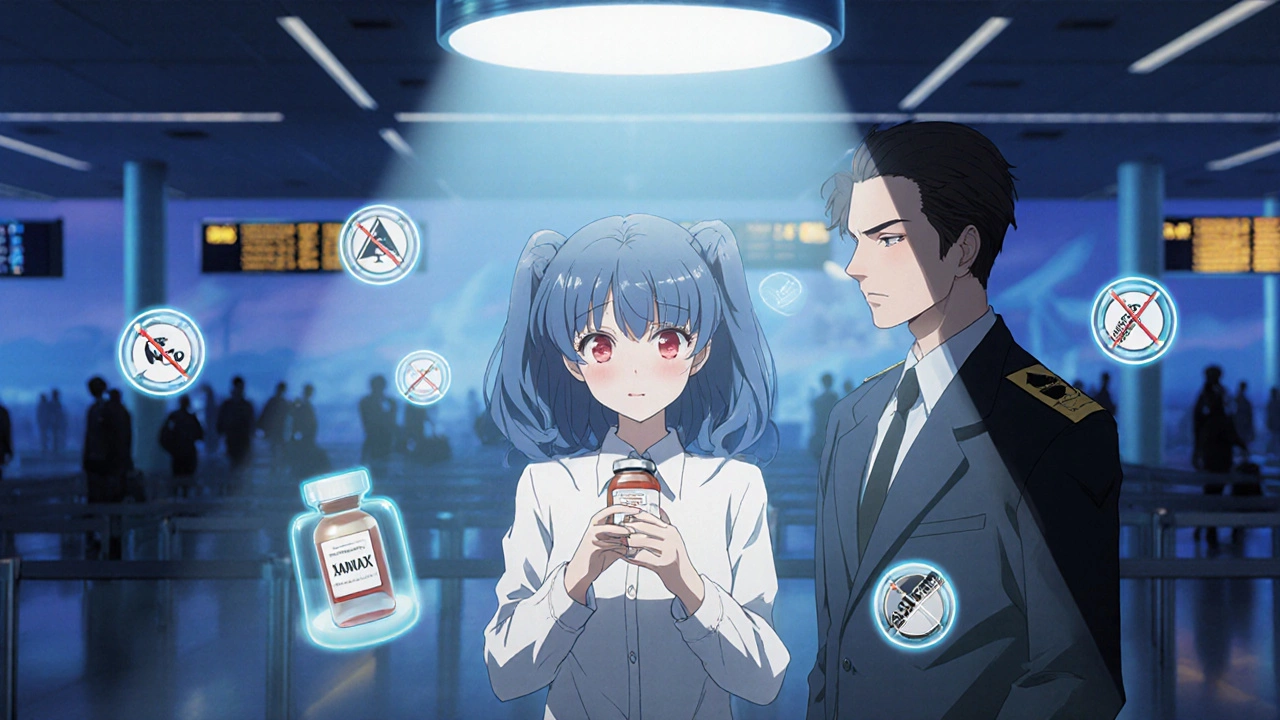
Learn how to safely travel with prescription medications abroad, avoid legal trouble, and ensure you have enough supply for your trip - with up-to-date rules for 2025.