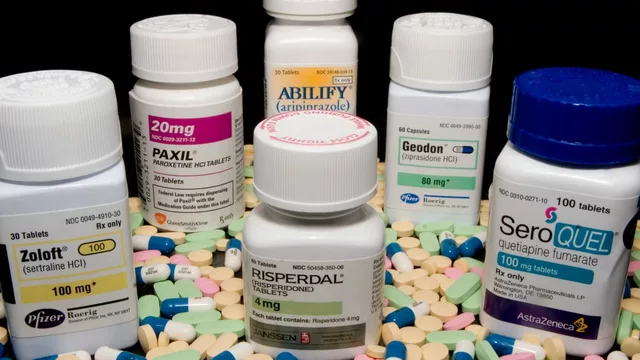
Technology Adoption in Pharma: How New Tools Are Changing Medication Safety and Access
When we talk about technology adoption, the process of integrating digital tools and systems into healthcare workflows to improve outcomes. Also known as healthcare digital transformation, it's no longer optional in modern pharmacy — it's what keeps patients safe and medications affordable. From hospitals using tall-man lettering, a visual formatting system that reduces confusion between similar-sounding drug names to prevent deadly mix-ups, to pharmacies tracking generic drug inventory, the strategic management of lower-cost medication stock to avoid shortages with smart software, the way drugs reach you has changed dramatically. These aren’t futuristic ideas — they’re daily tools used in clinics and pharmacies right now.
Behind the scenes, FDA post-approval surveillance, the ongoing monitoring of drug safety after a medication hits the market relies on automated data feeds from hospitals, pharmacies, and patient reports. This system catches problems faster than ever — whether it’s a batch of generics with inconsistent potency or a rare allergic reaction linked to a new formulation. Meanwhile, international reference pricing, a method where countries set drug prices by comparing costs across borders uses digital platforms to track global costs, helping bring down prices for millions. Even something as simple as a barcode scan at the pharmacy counter — part of medication error prevention, technology-driven systems that catch mistakes before they reach the patient — has cut errors by over 50% in many hospitals.
It’s not just about big systems. Smaller tech fixes are saving lives too. Digital alerts that warn pharmacists when a patient is taking antibiotics and dairy together, apps that remind people to taper steroids slowly, and online tools that show how long to wait after milk before taking doxycycline — these are all results of thoughtful technology adoption. The goal isn’t to replace doctors or pharmacists, but to give them better tools so they can do their jobs more accurately and with less stress. And when it comes to access, tech is leveling the playing field. Generic drugs that cost $200 in the U.S. might cost $5 in India, and digital platforms now make it easier to track those differences — helping patients and providers make smarter choices.
What you’ll find below is a collection of real stories and facts showing how these tools are working — or where they’re still falling short. From how patent lawsuits delay affordable meds to how vaccine safety systems protect you, every article here is grounded in the real-world impact of tech in medicine. No theory. No fluff. Just what’s happening now, and how it affects you.
How Culture Shapes What We Accept - Even When It’s Generic
Posted by Ian SInclair On 5 Dec, 2025 Comments (15)
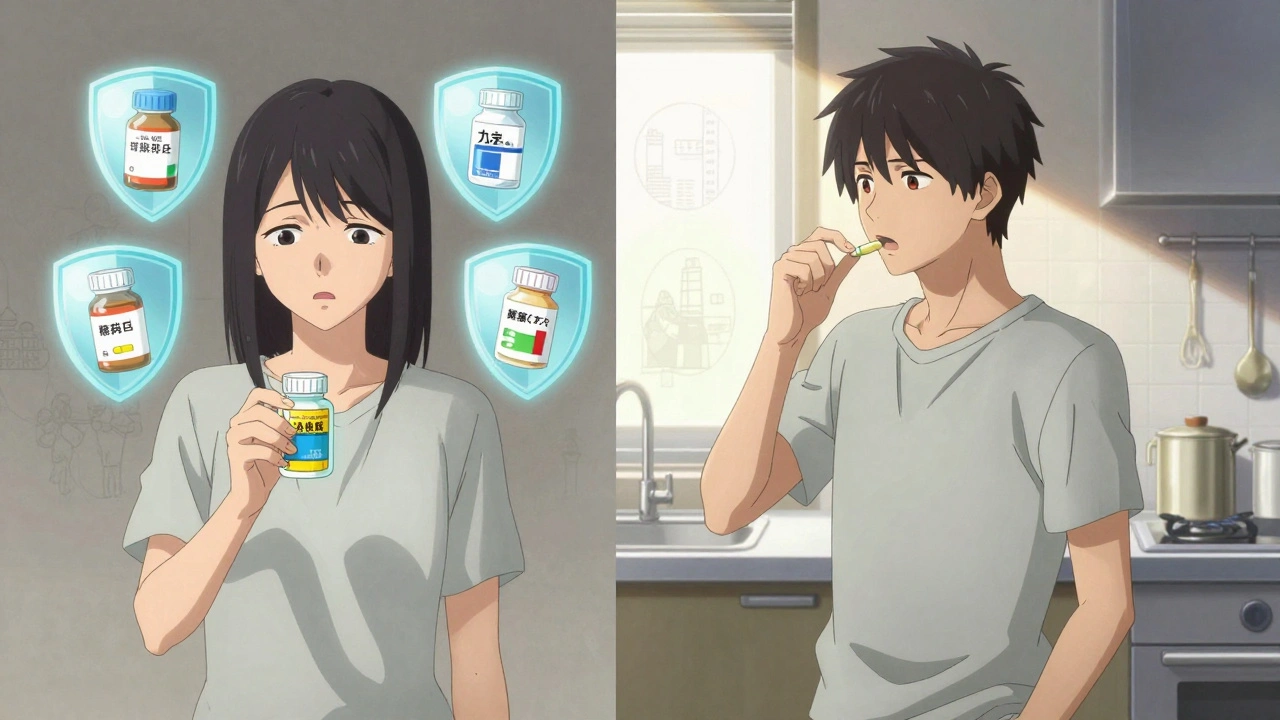
Culture shapes what we accept - even when it’s generic. From medications to apps, understanding cultural values like individualism, uncertainty avoidance, and collectivism can make the difference between adoption and rejection.