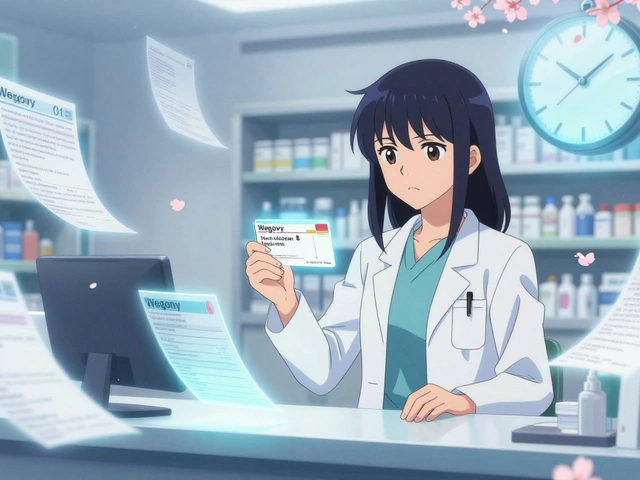
Vaccine Safety Monitoring: How We Track Shots After They're Given
When you get a vaccine, the job isn’t done once the needle comes out. vaccine safety monitoring, the ongoing process of tracking health outcomes after vaccination to catch rare or delayed side effects. Also known as post-approval vaccine surveillance, it’s how public health systems stay one step ahead of problems that only show up in thousands or millions of people. This isn’t guesswork—it’s a global network of databases, doctors, and digital tools working nonstop to spot patterns no lab test could predict.
Think of it like a smoke alarm for medicines. The FDA and CDC don’t just approve vaccines and walk away. They use systems like VAERS, the Vaccine Adverse Event Reporting System, where anyone—patients, doctors, pharmacists—can report unusual symptoms after vaccination. This is the first line of defense. Then there’s V-safe, a smartphone-based tool that sends daily check-ins to people after they get a COVID-19 shot, collecting real-time data on fever, fatigue, or other reactions. These aren’t just forms. They’re live sensors feeding into algorithms that look for spikes in reports, like a sudden rise in facial paralysis or heart inflammation after a specific batch. When something odd pops up, teams dig into medical records, compare vaccinated vs. unvaccinated groups, and check if it’s coincidence or cause. Most signals turn out to be noise. But when they don’t? That’s when you get updates—like the temporary pause on the J&J vaccine in 2021 after rare blood clots were found.
What you won’t see is the quiet work behind the scenes: labs testing vaccine batches for consistency, pharmacovigilance teams in Europe and Asia sharing data in real time, and hospitals coding every adverse event into electronic records so nothing slips through. This system catches things no clinical trial ever could—like an allergy to a new stabilizer, or a spike in Guillain-Barré cases in older adults. It’s not perfect, but it’s the reason we can give billions of shots and still trust the process. Below, you’ll find real-world examples of how this system works in practice—from spotting rare reactions to fixing manufacturing flaws before they reach more people.
Vaccine Allergic Reactions: Rare Risks and How Safety Systems Keep You Protected
Posted by Ian SInclair On 2 Dec, 2025 Comments (10)
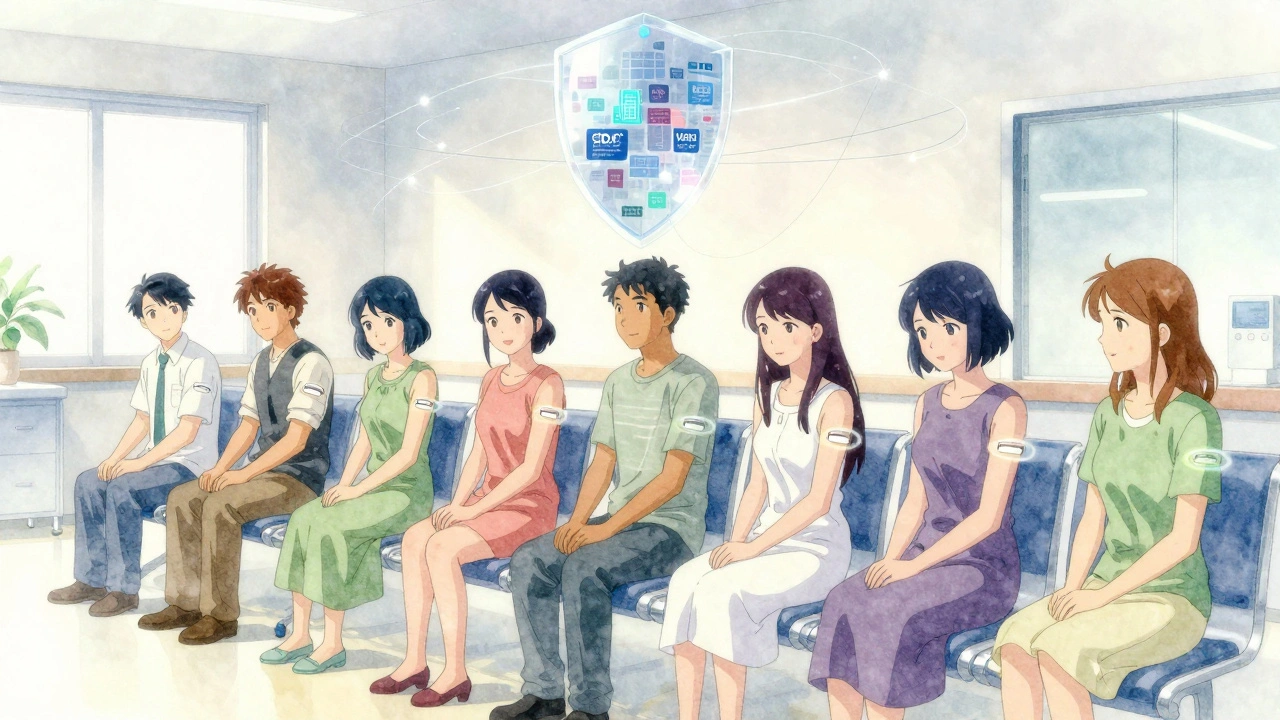
Vaccine allergic reactions are extremely rare, occurring in fewer than 2 out of every million doses. Learn how safety systems like VAERS and epinephrine protocols protect you-and why fear shouldn’t stop you from getting vaccinated.