Warning Signs of Heart Attack: What You Must Not Ignore
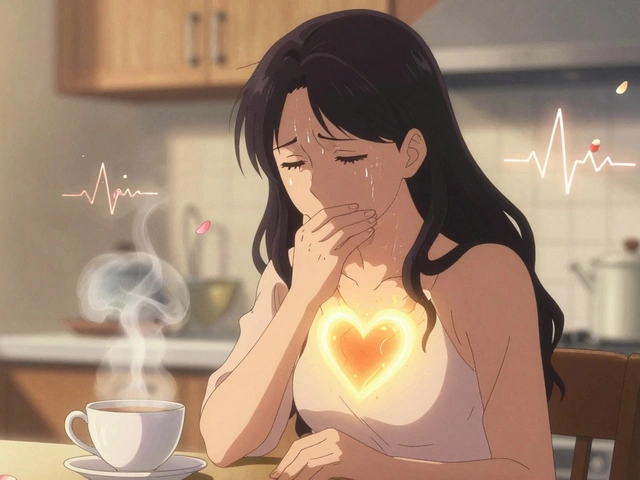
When it comes to the warning signs of heart attack, the subtle and sometimes misleading symptoms that signal the heart is under severe stress. Also known as heart attack warning signals, these clues aren’t always dramatic—and that’s why so many people miss them. A heart attack doesn’t always feel like a movie scene with clutching chests and dramatic collapses. More often, it’s a quiet, creeping discomfort that gets written off as indigestion, fatigue, or stress.
Men and women often experience different symptoms. While chest pressure or pain is still the most common sign, many people—especially women, older adults, and those with diabetes—feel nausea, jaw pain, backache, or sudden exhaustion instead. One study from the American Heart Association found that nearly 70% of women had at least one non-chest symptom in the month before their heart attack. That means if you’re feeling off, and it doesn’t go away after resting or taking antacids, don’t just wait it out. The chest pain, a tightness, squeezing, or heaviness in the center of the chest that lasts more than a few minutes is a red flag, but so is the shortness of breath, that comes without exertion, often paired with cold sweat or dizziness. These aren’t random side effects—they’re your body’s emergency alarm.
Some people dismiss symptoms because they’re "not severe enough" or because they don’t match what they’ve seen on TV. But heart attacks don’t wait for perfect conditions. They don’t care if you’re young, fit, or "don’t have risk factors." Even if you’ve never smoked, have normal cholesterol, and exercise regularly, the warning signs of heart attack can still show up. What matters is how your body feels—not what you think it should feel like.
Time is the biggest factor in survival. Every minute without blood flow damages heart muscle. Calling 911 right away—not driving yourself, not waiting to see if it gets better—is the single most effective thing you can do. Emergency responders can start treatment on the way to the hospital, which cuts death risk by nearly half. And if you’re unsure? Better to be wrong and safe than right and dead.
Below, you’ll find real-world insights from medical professionals and patients who’ve lived through this. From how to tell the difference between heartburn and heart attack, to why some symptoms are overlooked in younger people, to what to do if someone collapses—these posts give you the practical, no-fluff knowledge you need to act fast when it counts.
Heart Attack Warning Signs: What to Watch For and When to Call 911
Posted by Ian SInclair On 1 Dec, 2025 Comments (10)

Learn the real warning signs of a heart attack-including subtle symptoms women and older adults often miss-and what to do immediately when they appear. Time saves lives.