Generic Drugs and Medication Safety in November 2025: Key Insights and Updates
When it comes to generic drugs, affordable versions of brand-name medications that must meet the same FDA standards for safety and effectiveness. Also known as non-brand medications, they make up over 90% of prescriptions filled in the U.S. and are the backbone of affordable healthcare. But behind the low price tag lies a complex system of patents, legal battles, and manufacturing risks that directly affect whether you get the right medicine at the right time.
One major issue this month was the 180-day exclusivity, a rule under the Hatch-Waxman Act meant to reward generic companies for challenging weak patents. Also known as generic market exclusivity, it’s supposed to kickstart competition—but brand-name companies often undercut it by launching their own authorized generics, versions of their drug sold under a generic label, usually by the same company. This kills the incentive for independent generics to enter the market, delaying savings for patients. Meanwhile, pharmaceutical law, the legal framework governing drug approval, pricing, and competition. is being tested in courtrooms and Congress, with lawsuits over patent listings and pay-for-delay deals slowing down access to cheap meds.
It’s not just about cost—it’s about safety. medication safety, the system of practices designed to prevent errors in prescribing, dispensing, and taking drugs. is under constant pressure. Tall-man lettering helps doctors and pharmacists tell apart look-alike drug names like HYDROmorphone and HYDROxyzine. Barcode systems in hospitals cut down mix-ups. But at home, people still take antibiotics with dairy, ignore drug interactions, or skip doses because they don’t understand timing. drug interactions, when one medication changes how another works in your body. aren’t just theoretical—they can reduce antibiotic effectiveness by up to 92% or cause kidney damage from common painkillers. And while the FDA drug monitoring, the post-approval system that tracks safety issues in both brand and generic drugs after they hit the market. catches some problems, it doesn’t test every batch. You need to know the signs of side effects like emotional blunting from SSRIs or steroid-induced muscle weakness.
This month’s collection dives into real-world problems: how to stock generics without running out, how to travel with prescriptions legally, how to taper steroids safely, and why some "natural" supplements like poisonous buttercup are dangerous myths. You’ll find clear answers on what works, what doesn’t, and what to ask your doctor. Whether you’re a patient, pharmacist, or just trying to stay healthy, these articles give you the facts—not the fluff—so you can make smarter choices about your meds.
180-Day Exclusivity and Authorized Generics: What You Need to Know About the Legal Battle
Posted by Ian SInclair On 29 Nov, 2025 Comments (13)
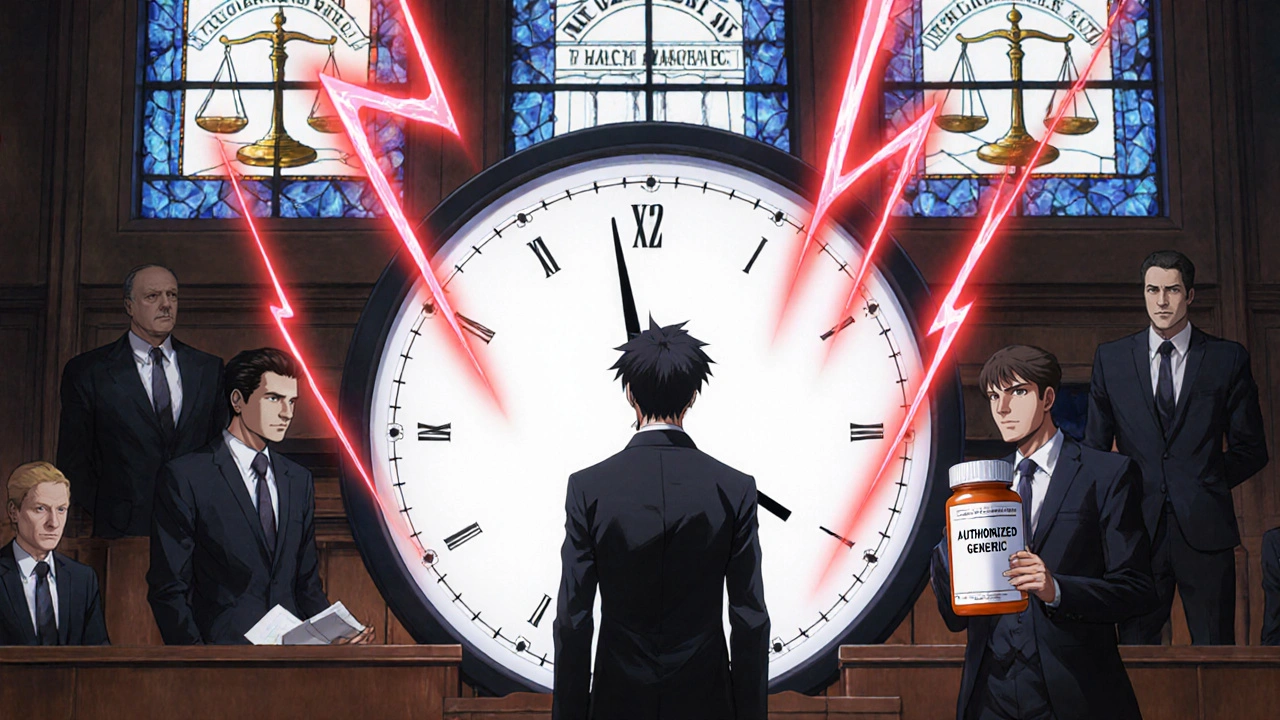
The 180-day exclusivity rule was meant to reward generic drug companies for challenging patents - but authorized generics let brand-name makers undercut them. Here’s how the law works, why it’s failing, and what’s being done to fix it.
How to Use Tall-Man Lettering to Prevent Medication Mix-Ups
Posted by Ian SInclair On 28 Nov, 2025 Comments (13)
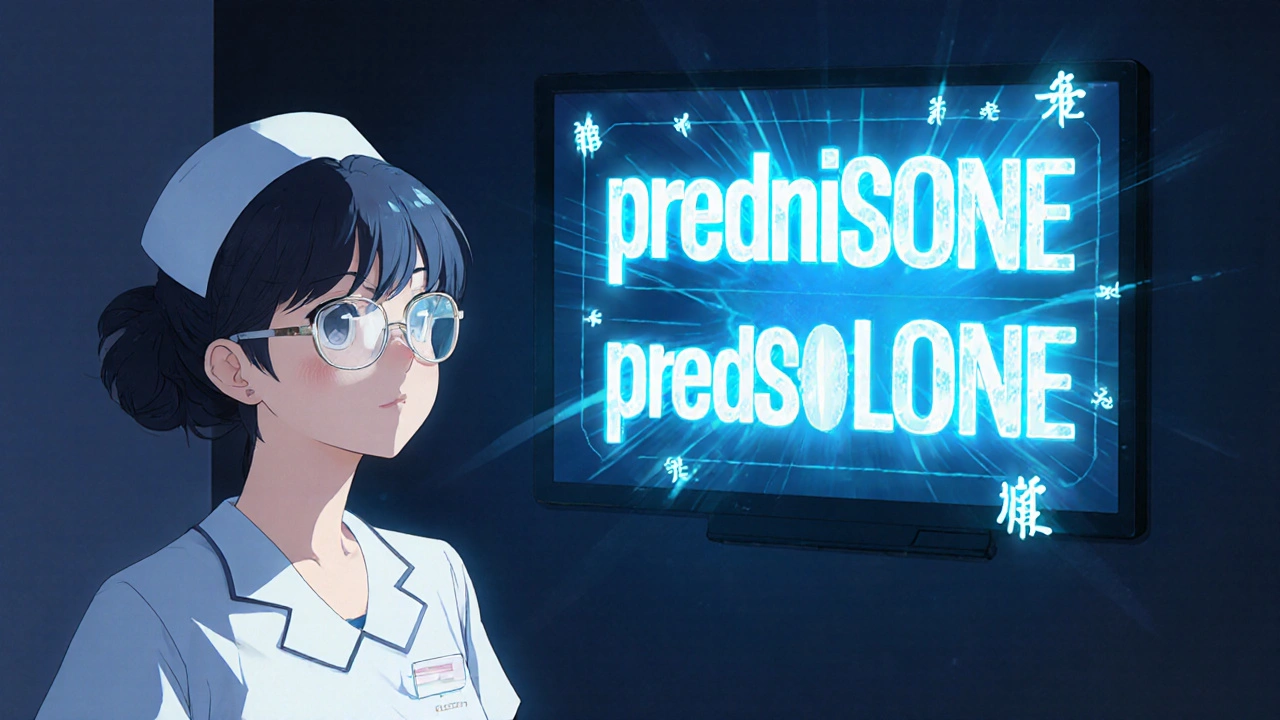
Tall-man lettering uses capital letters to distinguish similar-looking drug names and reduce medication errors. Learn how it works, why it matters, and how to use it correctly in healthcare settings.
Generic Drug Concerns: Myths vs. Reality for Safety and Efficacy
Posted by Ian SInclair On 27 Nov, 2025 Comments (8)

Generic drugs are just as safe and effective as brand-name drugs for most people, with 90% of U.S. prescriptions filled with generics. Learn the truth behind myths, when to be cautious, and how to ensure your medication works as expected.
Pharmacy Inventory Management: Generic Stocking Strategies That Cut Costs and Prevent Stockouts
Posted by Ian SInclair On 25 Nov, 2025 Comments (10)
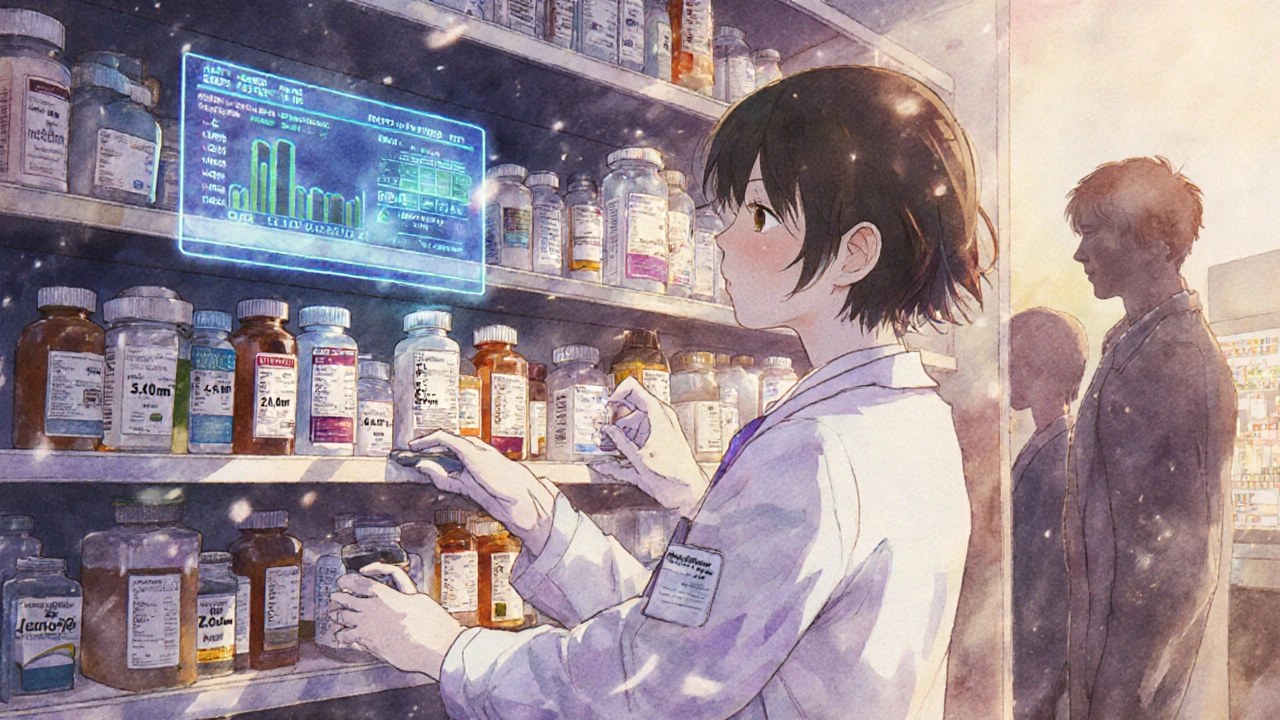
Learn how to manage generic medication inventory effectively using proven strategies like minimum-maximum stocking, reorder point calculations, and refill synchronization to cut costs, prevent stockouts, and improve patient care.
Emotional Blunting from SSRIs: What It Is and How to Fix It
Posted by Ian SInclair On 24 Nov, 2025 Comments (11)

Emotional blunting from SSRIs affects up to 60% of users, causing numbness, loss of joy, and relationship strain. Learn how to recognize it, why it happens, and evidence-based ways to fix it without quitting your medication.
Antibiotics and Dairy: Why Timing Matters for Drug Absorption
Posted by Ian SInclair On 23 Nov, 2025 Comments (12)
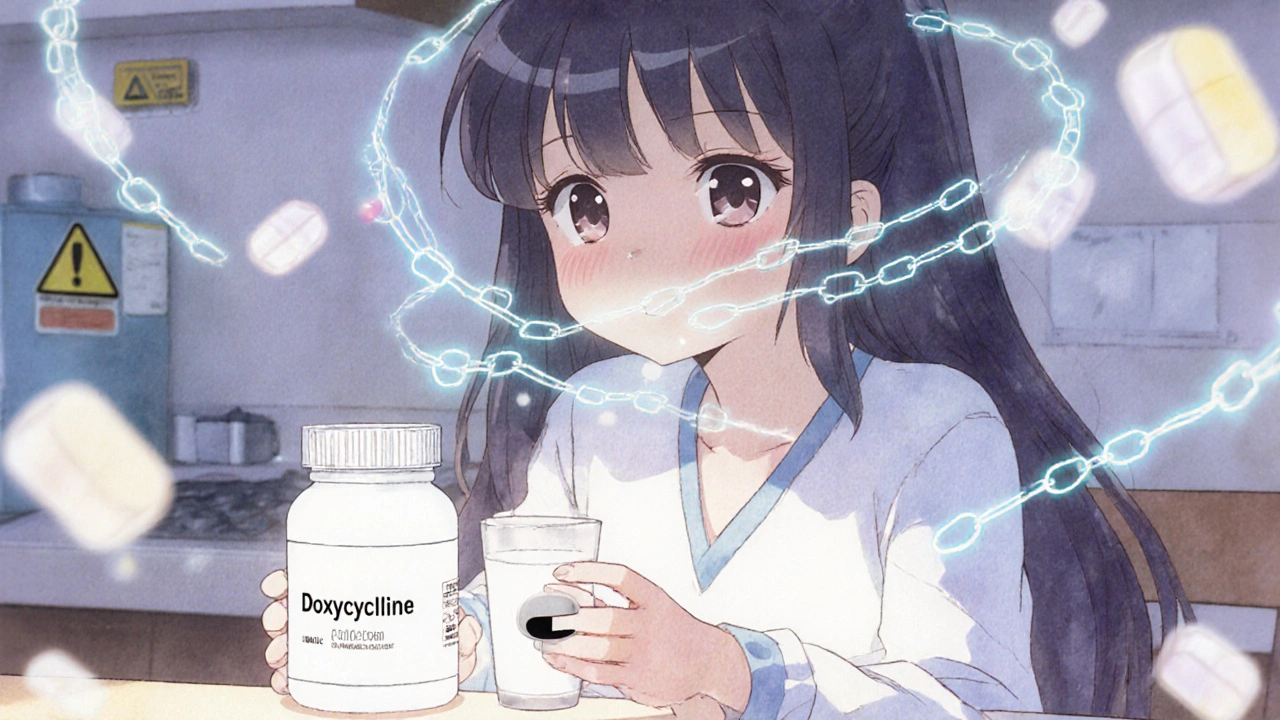
Dairy can block antibiotic absorption, reducing effectiveness by up to 92%. Learn which antibiotics are affected, how long to wait after milk or yogurt, and how to avoid treatment failure.
Acute Interstitial Nephritis: How Drugs Trigger Kidney Inflammation and What Recovery Really Looks Like
Posted by Ian SInclair On 22 Nov, 2025 Comments (10)
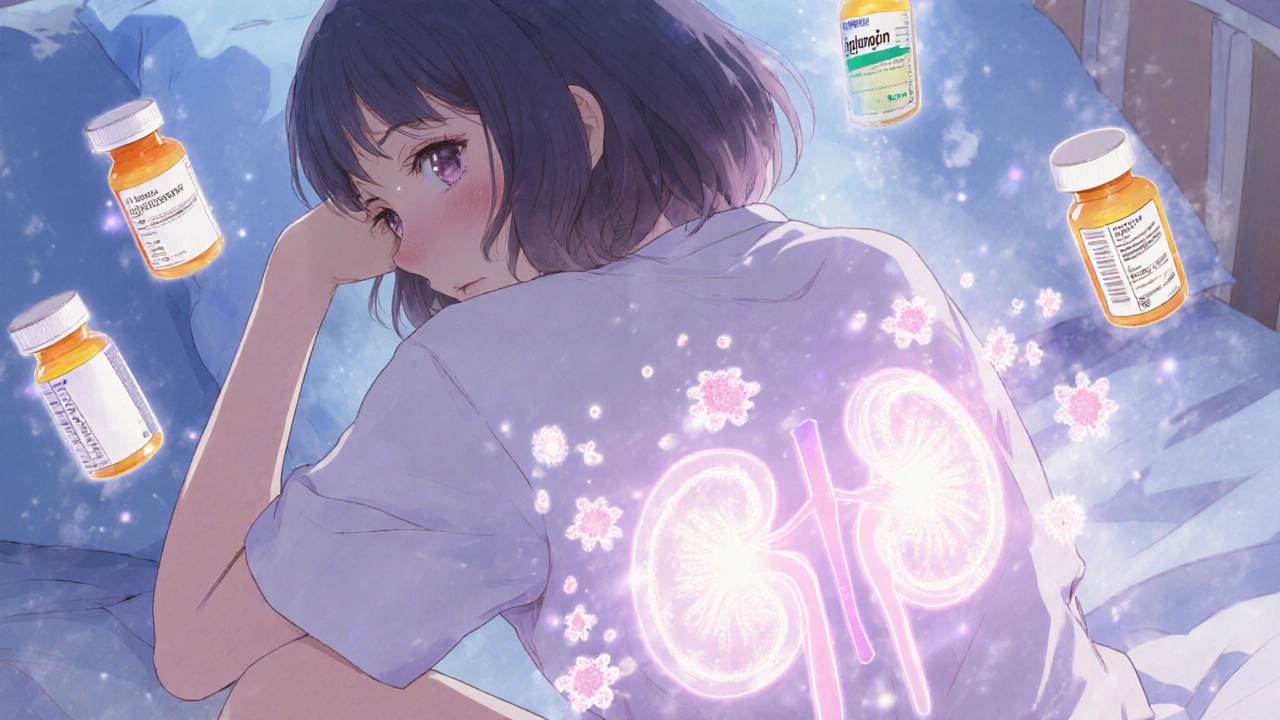
Acute interstitial nephritis is a serious kidney reaction to common drugs like PPIs and NSAIDs. Learn how it develops, which medications cause it, and why early action is critical for recovery.
How to Get Enough Medication Before International Travel: A Practical Guide
Posted by Ian SInclair On 21 Nov, 2025 Comments (14)
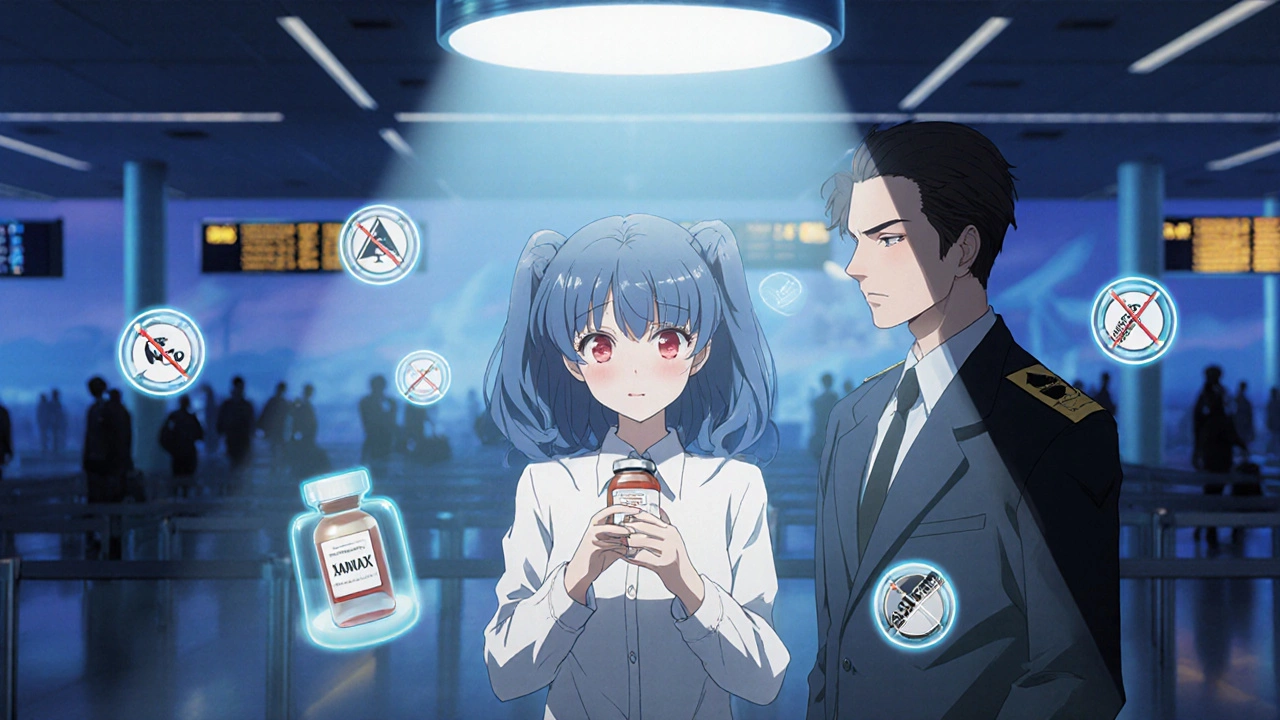
Learn how to safely travel with prescription medications abroad, avoid legal trouble, and ensure you have enough supply for your trip - with up-to-date rules for 2025.
Medication Errors: How to Prevent Mistakes at Home and in Hospitals
Posted by Ian SInclair On 20 Nov, 2025 Comments (11)
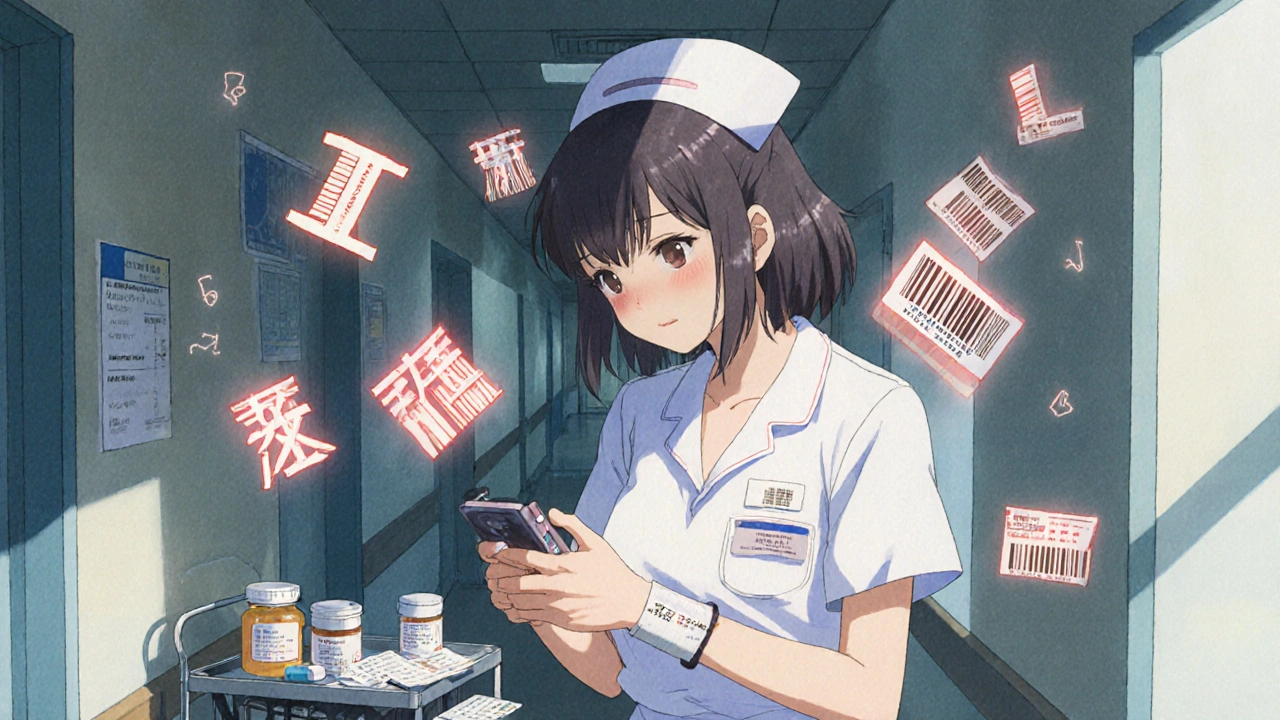
Medication errors harm over 1.5 million people yearly. Learn how hospitals and homes can prevent these mistakes with simple, proven strategies-from barcode systems to weekly pill checks.
Bridging Therapy: How to Safely Switch Between Blood Thinners
Posted by Ian SInclair On 20 Nov, 2025 Comments (15)
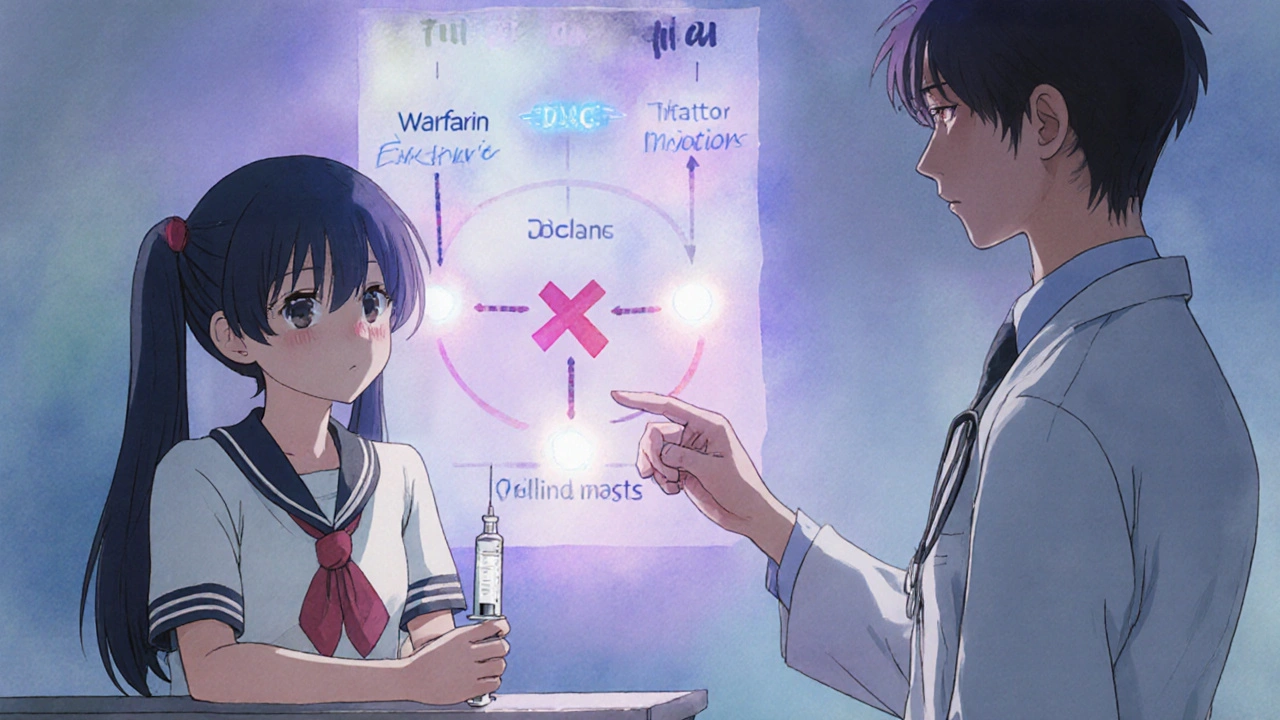
Learn when and how to safely transition between blood thinners. Bridging therapy is rarely needed - especially with modern DOACs. Know who truly needs it and how to avoid unnecessary risks.