
Key Takeaways
- Quality isn't tested at the end; it's built into every single step of the process.
- cGMP regulations mandate strict environmental controls and raw material testing.
- Digital "fingerprints" through serialization track drugs from the factory to the patient.
- Advanced tech like infrared spectroscopy can spot fakes with 99.9% accuracy.
The Foundation: Why "Testing" Isn't Enough
A common misconception is that drug companies just test a few pills at the end of the line and call it a day. But the FDA (U.S. Food and Drug Administration) is very clear: you cannot simply test quality into a finished product. Because a patient can't tell if a pill is safe just by looking at it or smelling it, the quality must be baked into the design.
This approach is governed by Current Good Manufacturing Practices (or cGMP), specifically under 21 CFR Part 211. These rules require that every single raw material is tested against a reference standard before it even enters the production line. If a manufacturer doesn't know exactly where their ingredients came from or what's in them, the whole batch is scrapped. This prevents "bad actors" from slipping cheap, counterfeit ingredients into the mix.
The SQUIPP Framework: The Gold Standard for Authenticity
To keep fakes out, the industry uses a rigorous framework known as SQUIPP. This stands for Safety, Quality, Identity, Potency, and Purity. It's a checklist that ensures a generic drug isn't just a copy, but a therapeutic equivalent.
One of the most critical parts of SQUIPP is Identity. To verify this, labs use high-tech tools like Infrared Spectroscopy and High-Performance Liquid Chromatography. These machines look at the molecular structure of the drug. While a counterfeiter might get the color and shape of a pill right, they almost never get the molecular "fingerprint" correct. These methods can distinguish a genuine drug from a fake with 99.9% accuracy.
| Feature | Regulated Generics (cGMP) | OTC Supplements (DSHEA) | Unregulated Online Pharmacies |
|---|---|---|---|
| Identity Testing | Mandatory (100% of materials) | ~30% of manufacturers | Rarely performed |
| Environmental Control | ISO Class 5 Clean Rooms | Varies widely | Non-existent / Unknown |
| Track-and-Trace | Serialization Required | Optional | None |
| Success Rate | High (94% US Compliance) | Moderate | Low (96% failure rate in tests) |
Digital Fingerprints and the Paper Trail
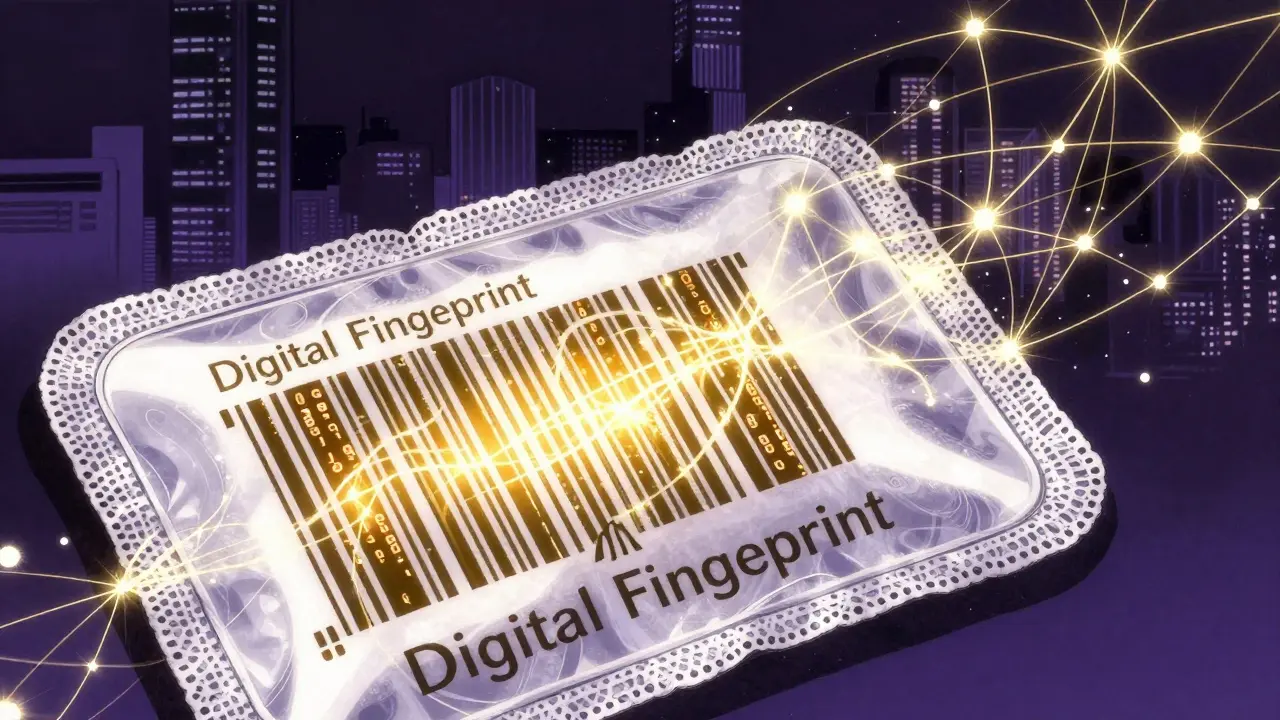
Physical testing is great, but the supply chain is long. A drug moves from the factory to a distributor, then to a pharmacy, and finally to you. This is where Serialization comes in. Under the Drug Supply Chain Security Act, every single package gets a unique identifier-essentially a digital barcode.
Think of it as a passport for your medicine. If a pharmacy scans a bottle and the serial number doesn't exist in the system, or if that same number has already been scanned in another state, the system flags it immediately. This creates a transparent chain of custody that makes it incredibly difficult for counterfeiters to inject fake batches into the legitimate legal supply chain.
To manage all this data, most big players have moved to Electronic Quality Management Systems (eQMS). Instead of flipping through thousands of paper pages, quality managers can monitor over 15,000 parameters per batch in real-time. One manager at Teva Pharmaceuticals noted that using an eQMS reduced the time to resolve production deviations from two weeks down to just 48 hours.
The ANDA Process: Proving it Actually Works
Before a generic drug ever hits the shelf, it has to pass the Abbreviated New Drug Application (ANDA) process. This isn't just a paperwork exercise; the manufacturer must prove bioequivalence. This means the generic version must deliver the same amount of active ingredient into the bloodstream at the same rate as the brand-name drug.
The FDA requires a 90% confidence interval for the drug's peak concentration (Cmax) and total exposure (AUC) to fall within 80-125% of the original. This is a tight window. If a drug is slightly off, it's rejected. This prevents the "therapeutic failure" common in counterfeits, where the drug might look real but contains too little of the active ingredient to actually treat the illness.
Where the System Still Struggles
No system is perfect. Even with cGMP, there are "blind spots." Some sophisticated counterfeits can mimic the chemical composition of a drug but fail because they use the wrong crystal form-called a polymorph. If the crystal structure is wrong, the body might not absorb the drug correctly, even if the chemical formula is technically correct.
We also see a gap in global compliance. While U.S.-based facilities show about 94% compliance with FDA standards, that number drops to 78% in India and 65% in China. This is why the World Health Organization (WHO) pushes for global standardization. The goal is to ensure that a generic pill bought in Nairobi is as safe as one bought in New York.

The Future: AI and Blockchains
The next frontier in fighting fakes is moving from "detection" to "prediction." Companies like IBM and Siemens are pouring billions into AI-powered quality control. These systems can spot tiny anomalies in manufacturing data that a human would miss, flagging a potential quality issue before the drug even leaves the vat.
Additionally, blockchain technology is being trialed for essential medicines like antimalarials in Africa. Because blockchain records are immutable (they can't be changed), it provides an unhackable record of a drug's journey. We are also seeing the rise of molecular "taggants"-invisible markers added to the drug that can only be seen with specialized scanners, making it nearly impossible for a fake to pass as real.
Are generic drugs less safe than brand-name drugs?
No. Generic manufacturers must follow the exact same cGMP standards as brand-name companies. In fact, data from the Generic Pharmaceutical Association shows adverse event rates for generics (0.02%) are nearly identical to brand-name drugs (0.03%).
How can I tell if my generic medication is counterfeit?
It is very difficult to tell by sight, smell, or touch. The best way to ensure authenticity is to buy from licensed, reputable pharmacies. Look for serialization barcodes on the packaging and be wary of extremely low prices from unregulated online sources.
What is the role of a "Qualified Person" (QP) in the EU?
In the European Union, the QP system adds an extra layer of security. A designated pharmaceutical expert must personally certify and release every single batch, whereas the U.S. system relies more heavily on overall process validation.
What happens if a generic drug fails a quality test?
If a batch is "out-of-specification," the manufacturer must conduct a full investigation. If they cannot prove the product is safe, the entire batch is destroyed. Failure to properly investigate these results is one of the most common reasons the FDA issues warning letters to plants.
What is the "SQUIPP" framework?
SQUIPP stands for Safety, Quality, Identity, Potency, and Purity. It is the technical checklist used by quality control teams to ensure a generic drug is therapeutically equivalent to the brand-name version.
Next Steps for Ensuring Drug Safety
If you are a healthcare provider or a pharmacy manager, the first step is implementing a robust Track-and-Trace system. Ensure your software can communicate with the manufacturer's serialization data. For smaller facilities, investing in near-infrared spectroscopy (NIR) is the most effective way to verify raw material identity quickly.
For patients, the most important rule is to avoid unregulated online pharmacies. If a website doesn't require a prescription or offers prices that seem "too good to be true," there is a high probability the drugs are counterfeit and lack the quality controls discussed here.