Cultural Dimensions in Pharma: How Beliefs Shape Medication Use and Access
When we talk about cultural dimensions, the underlying values and norms that shape how groups of people think, behave, and make decisions. Also known as cultural frameworks, it's not just about holidays or food—it's about who trusts doctors, who skips pills because they don’t believe in them, and why a medicine that works perfectly in one country fails in another. This isn’t theory. It’s why a patient in India might buy generic insulin from a local pharmacy while a patient in the U.S. struggles to afford the same drug. It’s why some families avoid antidepressants because they see depression as a spiritual issue, not a medical one. And it’s why vaccine hesitancy isn’t just about misinformation—it’s about historical trauma, community trust, and how power is seen in healthcare systems.
These cultural dimensions, the underlying values and norms that shape how groups of people think, behave, and make decisions. Also known as cultural frameworks, it's not just about holidays or food—it's about who trusts doctors, who skips pills because they don’t believe in them, and why a medicine that works perfectly in one country fails in another. directly influence how drugs are prescribed, taken, and even rejected. For example, in high-power-distance cultures—where patients rarely question authority—doctors might overprescribe antibiotics because patients expect a pill, not a conversation. In individualistic societies, people may stop their blood thinners because they don’t want to be "dependent" on medication. Meanwhile, in collectivist cultures, family approval often overrides a doctor’s advice. These aren’t quirks. They’re patterns. And they’re why global health disparities, differences in health outcomes and access to care between populations due to social, economic, and cultural factors persist even when the science is clear. A drug approved by the FDA might be unavailable in Nigeria not because of supply chains, but because local beliefs about pills and purity clash with Western manufacturing standards. Or why a woman in Japan might refuse a recommended antidepressant because it’s seen as a sign of personal weakness, not illness.
Understanding cultural competence in healthcare, the ability of providers to deliver care that respects and responds to the cultural beliefs and practices of patients isn’t optional—it’s the difference between a patient taking their meds and ending up in the ER. It’s why pharmacists in Canada now ask about herbal supplements before prescribing, knowing that many immigrants use traditional remedies without telling their doctors. It’s why some clinics in the U.S. have bilingual staff who explain insulin shots using family metaphors instead of technical terms. And it’s why the 180-day exclusivity rule or international reference pricing means nothing if the people who need the drugs don’t trust the system behind them. The posts below don’t just list drugs or laws—they show you how culture moves through every step of medicine: from how a pill is made, to how it’s priced, to whether someone will swallow it. You’ll see how a mother in Mexico chooses ginger over Diclegis, why an elderly man in Germany refuses a new blood thinner because his brother had a bad reaction, and how a nurse in India uses storytelling to explain why generics are safe. This isn’t about politics or economics. It’s about people. And if you want to understand why medicines work—or don’t—this is where you start.
How Culture Shapes What We Accept - Even When It’s Generic
Posted by Ian SInclair On 5 Dec, 2025 Comments (15)
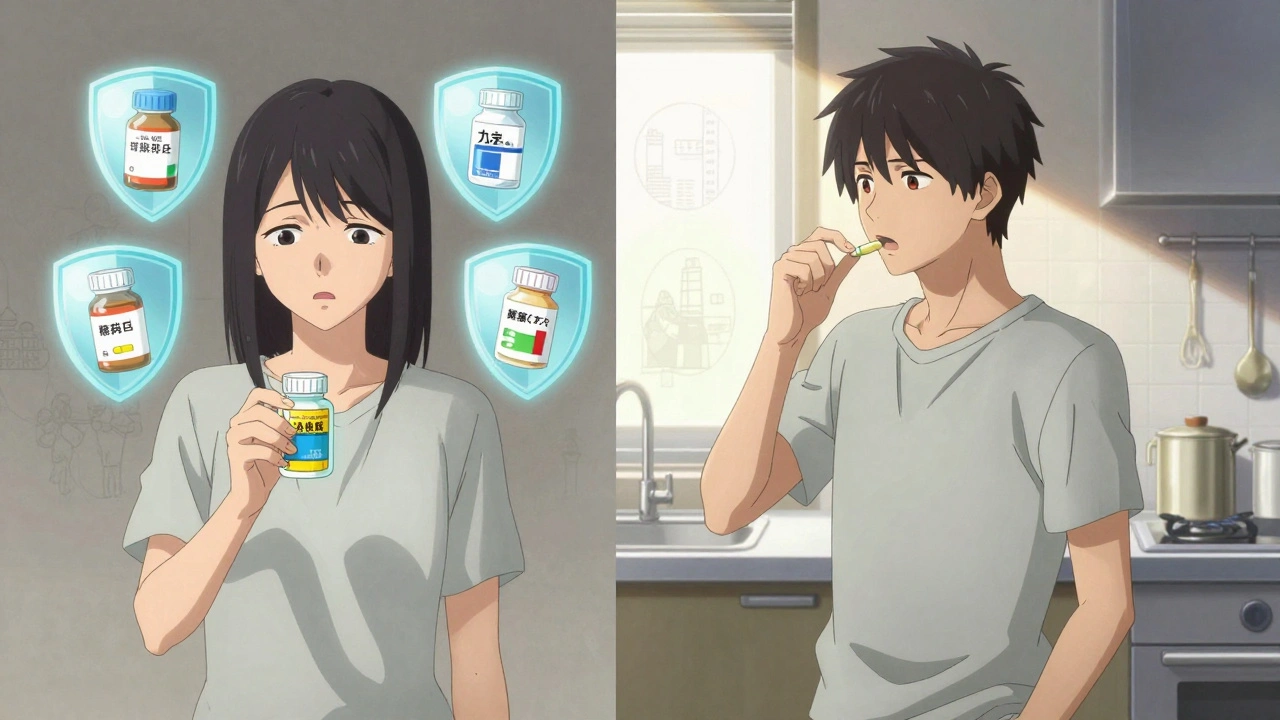
Culture shapes what we accept - even when it’s generic. From medications to apps, understanding cultural values like individualism, uncertainty avoidance, and collectivism can make the difference between adoption and rejection.