
Herbal Supplements: What Works, What Risks, and What You Need to Know
When people talk about herbal supplements, natural products made from plants used to support health or treat symptoms. Also known as botanicals, they’re often seen as safer than pills—but that’s not always true. Millions take them for energy, sleep, digestion, or even pregnancy nausea. But just because something comes from a plant doesn’t mean it’s harmless. Some herbal supplements interact with prescription drugs, mess with your liver, or even cause serious heart issues. And in pregnancy? The risks aren’t well studied—but the warnings are clear.
Take biotin, a B-vitamin often sold as a supplement for hair and nails. It’s one of the few herbal-style supplements with solid evidence behind it. Studies show it helps strengthen brittle nails and may improve skin texture when taken at the right dose. But then there’s poisonous buttercup, a toxic plant falsely promoted online as a "natural remedy". There’s zero proof it helps anything—and plenty of proof it can wreck your kidneys, trigger seizures, or cause internal bleeding. These aren’t just opposites—they show how wild the herbal supplement world really is. One can support your health. Another could land you in the ER.
And if you’re pregnant? That’s where things get even trickier. herbal supplements in pregnancy, products like raspberry leaf tea or chamomile often used to ease discomfort are common, but most haven’t been tested for safety in expectant mothers. Ginger? That’s one of the few with decent data showing it can help with morning sickness. But others? Unknown. The FDA doesn’t regulate them like drugs, so what’s in the bottle might not match the label. You could be getting too much of one compound, or worse—contaminants like heavy metals or hidden pharmaceuticals.
It’s not about avoiding all herbs. It’s about knowing which ones are backed by science, which ones are risky, and when to skip them entirely. You’ll find posts here that break down real cases: how biotin actually works, why some people get sick from "natural" products, what happens when herbal supplements mix with blood thinners or antidepressants, and why pregnancy changes everything. No hype. No guesswork. Just what the evidence says—and what you should do next.
Feverfew and Anticoagulants: What You Need to Know About Bleeding Risk
Posted by Ian SInclair On 9 Dec, 2025 Comments (12)
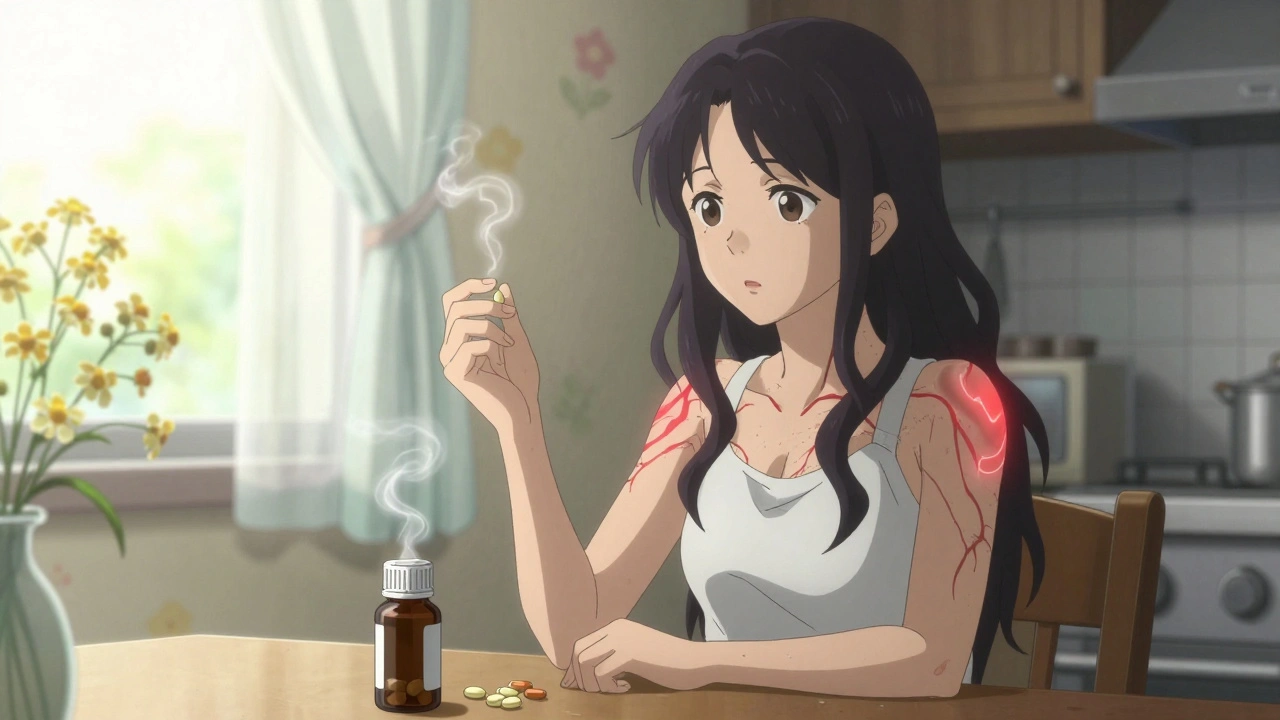
Feverfew may help prevent migraines, but if you're on blood thinners, it can increase bleeding risk. Learn the facts, signs to watch for, and what doctors recommend before taking this herbal supplement.