Pharmaceutical Law: What It Means for Your Medications and Health
When you pick up a prescription, you’re not just getting medicine—you’re interacting with pharmaceutical law, the set of rules governing how drugs are developed, approved, sold, and monitored. Also known as drug regulation, it’s the invisible system that decides which drugs reach shelves, how much they cost, and whether they’re safe for you to take. This isn’t just about big pharma or government agencies. It affects whether you can get a cheap generic version of your pill, if your insurance covers it, or if a new drug gets pulled off the market because of hidden risks.
Behind every generic drug you buy is a legal battle. The Hatch-Waxman Act, a 1984 U.S. law that balances innovation with access lets companies copy brand-name drugs after patents expire—but it also lets brand makers delay generics with lawsuits. That’s why some generics take years to appear, even after the patent ends. Meanwhile, the FDA, the U.S. agency responsible for ensuring drugs work and are safe doesn’t test every batch of generics after approval. Instead, it watches for problems using reports from doctors, patients, and labs. If a batch causes kidney damage or doesn’t absorb right, they can pull it. That’s how patent litigation, legal fights over who owns the rights to make a drug directly impacts your health.
Pharmaceutical law also controls how drugs are labeled. That’s why you see Tall-Man lettering on prescriptions—like HYDROmorphone vs. HYDROxyzine—to stop mix-ups. It’s not a suggestion. It’s a rule. And when you travel abroad with meds, you’re navigating a patchwork of international laws. Some countries ban common U.S. drugs. Others require special permits. Even something as simple as carrying insulin across borders has legal steps you can’t ignore.
These rules aren’t perfect. They cause shortages when countries use international pricing to cut costs. They let companies extend monopolies with minor patent tweaks. But they also keep dangerous fake drugs off shelves and ensure that a $10 generic works just as well as a $200 brand name. What you’re reading here isn’t theory. Every article below comes from real cases: how drug interactions get flagged, how kidney damage from common painkillers was discovered, how pharmacies stock generics to avoid running out. This isn’t about lawyers or lobbyists. It’s about what’s in your medicine cabinet—and why it got there.
180-Day Exclusivity and Authorized Generics: What You Need to Know About the Legal Battle
Posted by Ian SInclair On 29 Nov, 2025 Comments (13)
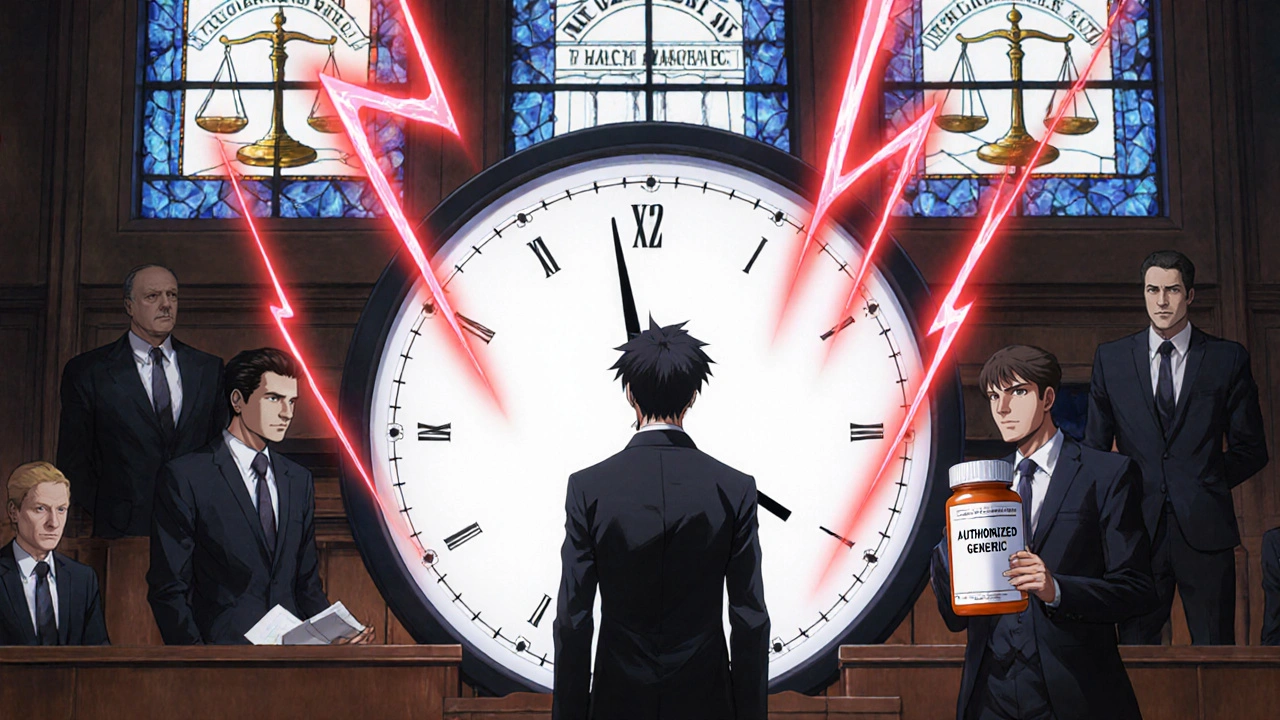
The 180-day exclusivity rule was meant to reward generic drug companies for challenging patents - but authorized generics let brand-name makers undercut them. Here’s how the law works, why it’s failing, and what’s being done to fix it.