Authorized Generics: What They Are and Why They Matter for Your Health
When you hear authorized generics, brand-name drugs sold under a generic label, made by the original manufacturer with identical ingredients and packaging. Also known as brand-name generics, these are not knockoffs—they’re the real thing, just cheaper. Unlike regular generics, which are made by different companies after the patent expires, authorized generics come straight from the same factory, same formula, same quality control. That means no guessing if it works the same way—it does, because it’s literally the same pill.
Why does this matter? Because the generic drug, a lower-cost version of a brand-name medication that meets FDA standards for safety and effectiveness. Also known as bioequivalent drugs, it market is full of confusion. Some generics are made by the brand company, others by third parties. Only authorized generics guarantee you’re getting the exact same product, down to the inactive ingredients and manufacturing process. The FDA approval, the official process ensuring a drug is safe, effective, and manufactured to high quality standards. Also known as drug regulatory approval, it doesn’t distinguish between them—so you won’t see it on the label. But if you know what to look for, you can save money without risking your health.
Many people assume all generics are created equal. They’re not. A regular generic might use different fillers or have slight variations in how it breaks down in your body—even if it’s still considered bioequivalent. Authorized generics remove that uncertainty. If your doctor prescribed a brand-name drug that’s now available as an authorized generic, you’re not downgrading—you’re upgrading your wallet. And if you’re on long-term medication, that savings adds up fast.
It’s also tied to how pharmaceutical pricing, the system that determines how much drug manufacturers charge for medications, influenced by patents, competition, and government policies. Also known as drug cost structure, it works. When a brand-name company launches its own generic version, it’s often to keep market share while prices drop. That’s good for you—it means more competition, lower prices, and more options. You don’t need to wait for a third-party generic to appear. Sometimes, the cheapest version is already sitting on the shelf, made by the same company that made the brand name.
Don’t be fooled by labels. Look for the manufacturer name on the bottle. If it matches the brand-name drug’s maker, you’ve got an authorized generic. Ask your pharmacist—they know which ones are which. And if your insurance pushes a regular generic, ask if an authorized version is available. It might cost the same or less, and you’ll know exactly what you’re getting.
Below, you’ll find real-world guides on how generic drugs are made, monitored, priced, and sometimes delayed by legal battles. You’ll learn how to spot the difference between true equivalents and risky knockoffs. You’ll see how pharmacies manage stock, how the FDA tracks safety after approval, and why some drugs never get a generic at all. These aren’t theoretical articles—they’re practical tools to help you get the right medication, at the right price, without compromise.
Authorized Generics vs Brand Drugs: What You Need to Know
Posted by Ian SInclair On 11 Mar, 2026 Comments (10)
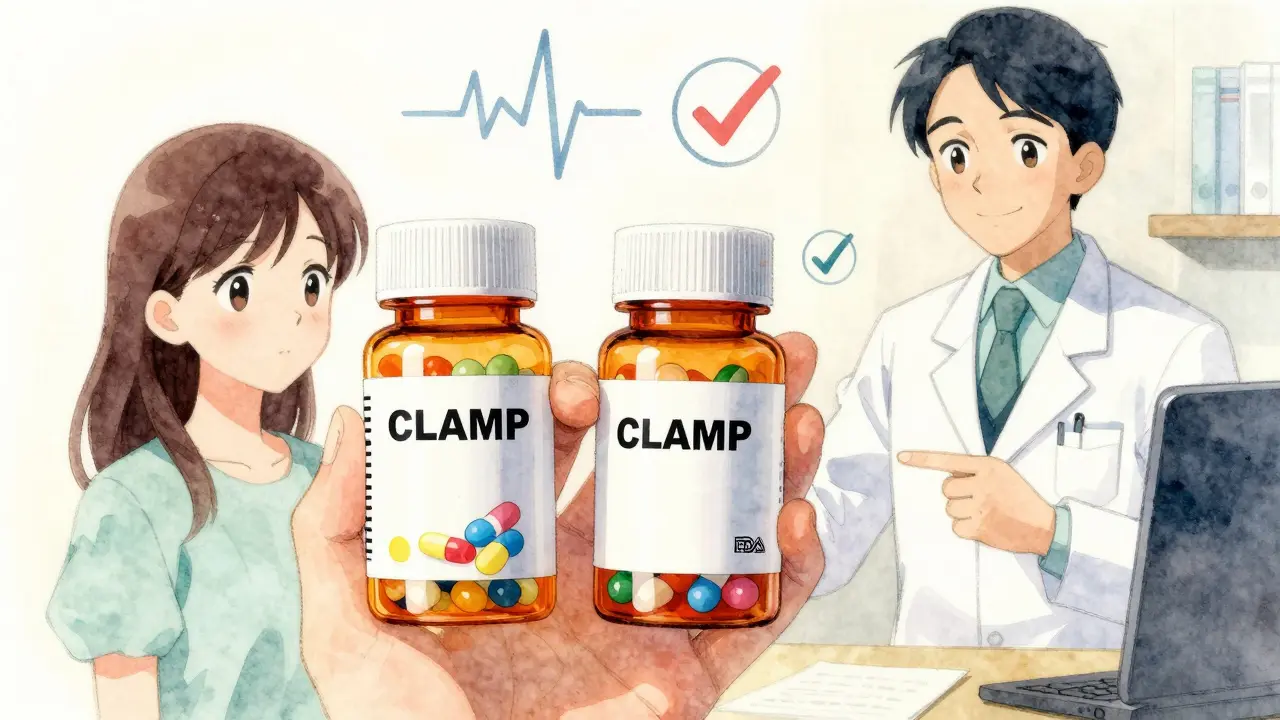
Authorized generics are identical to brand-name drugs in every way except the label. They offer the same effectiveness and safety, often with fewer side effects than traditional generics. Learn how they work, why they're priced differently, and when to ask for them.
How Brand Manufacturers Produce Their Own Generic Versions
Posted by Ian SInclair On 24 Dec, 2025 Comments (14)
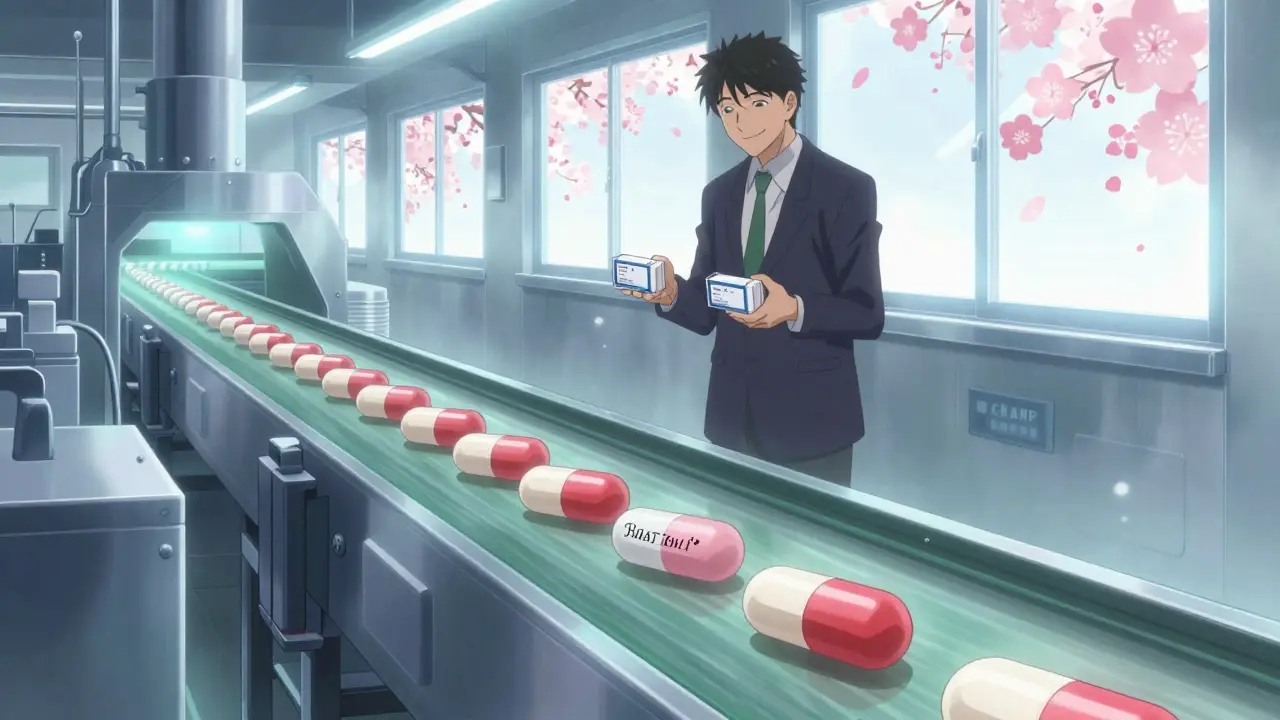
Brand manufacturers produce their own generic versions to protect revenue after patent expiry. These authorized generics are identical to the original drug but sold at lower prices, helping companies retain market share while offering patients familiar medication.
180-Day Exclusivity and Authorized Generics: What You Need to Know About the Legal Battle
Posted by Ian SInclair On 29 Nov, 2025 Comments (13)
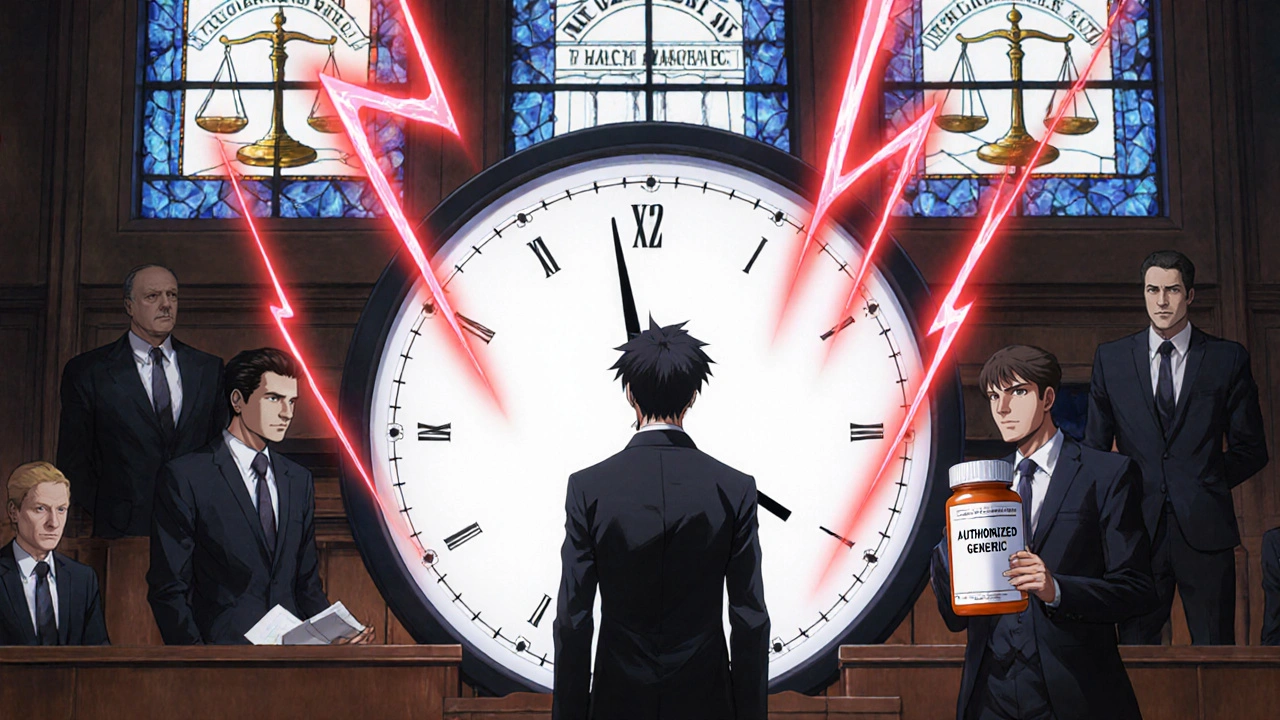
The 180-day exclusivity rule was meant to reward generic drug companies for challenging patents - but authorized generics let brand-name makers undercut them. Here’s how the law works, why it’s failing, and what’s being done to fix it.