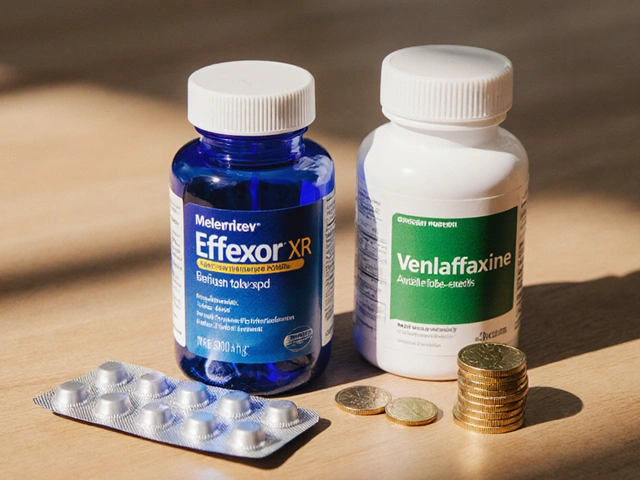
Generic Drugs: What They Are, How They Work, and Why They Matter
When you hear generic drugs, copycat versions of brand-name medications that contain the same active ingredients, dosages, and intended uses. Also known as generic medications, they're the backbone of affordable healthcare in the U.S. and around the world. Most people assume they’re just cheaper versions of the real thing—but that’s not quite right. They’re the same thing, legally and scientifically. The FDA requires them to work exactly like the brand-name drug, in the same way, at the same strength. No guessing. No compromise. Yet, they often cost 80% less. That’s not a loophole. It’s the system working as designed.
But here’s what most people don’t see: behind every cheap pill is a complex web of manufacturing, patents, and global pricing rules. Patent litigation, legal battles that delay generic entry by blocking competition through lawsuits and loopholes. Also known as pay-for-delay settlements, these tactics keep prices high even after a patent expires. Meanwhile, countries like Germany and Canada use international reference pricing, a system where drug prices are set by comparing costs across borders. Also known as external reference pricing, it forces manufacturers to lower prices or lose market access. In the U.S., that kind of pressure doesn’t exist—so pharmacies are left to manage stock manually, using pharmacy inventory management, strategies like minimum-maximum stock levels and reorder points to avoid running out of essential generics. Also known as generic drug stocking, it’s the quiet hero keeping your medicine shelf full. And while you’re taking your generic blood pressure pill, the FDA is quietly watching for quality issues through post-approval surveillance—not by retesting every batch, but by tracking reports of side effects, manufacturing flaws, and therapeutic failures.
It’s not just about cost. It’s about access. When a generic drug gets pulled from the market because of a single contaminated batch, or when a patent fight delays a life-saving treatment for years, real people suffer. That’s why understanding how these drugs are made, regulated, and distributed matters more than you think. You’re not just buying a pill—you’re participating in a system that balances profit, safety, and fairness. Below, you’ll find real-world guides on how to spot quality issues, why some generics are cheaper than others, how to manage your supply, and what’s really happening behind the scenes at the FDA and in global markets.
Medicare Part D Formularies: How Generic Drug Coverage Works in 2026
Posted by Ian SInclair On 4 Feb, 2026 Comments (13)

Medicare Part D covers 92% of prescriptions as generics. Learn how formulary tiers, out-of-pocket costs, and the $2,100 cap work in 2026 to save on prescriptions.
Cost-Effectiveness Analysis: Measuring the Value of Generic Drugs
Posted by Ian SInclair On 12 Jan, 2026 Comments (10)
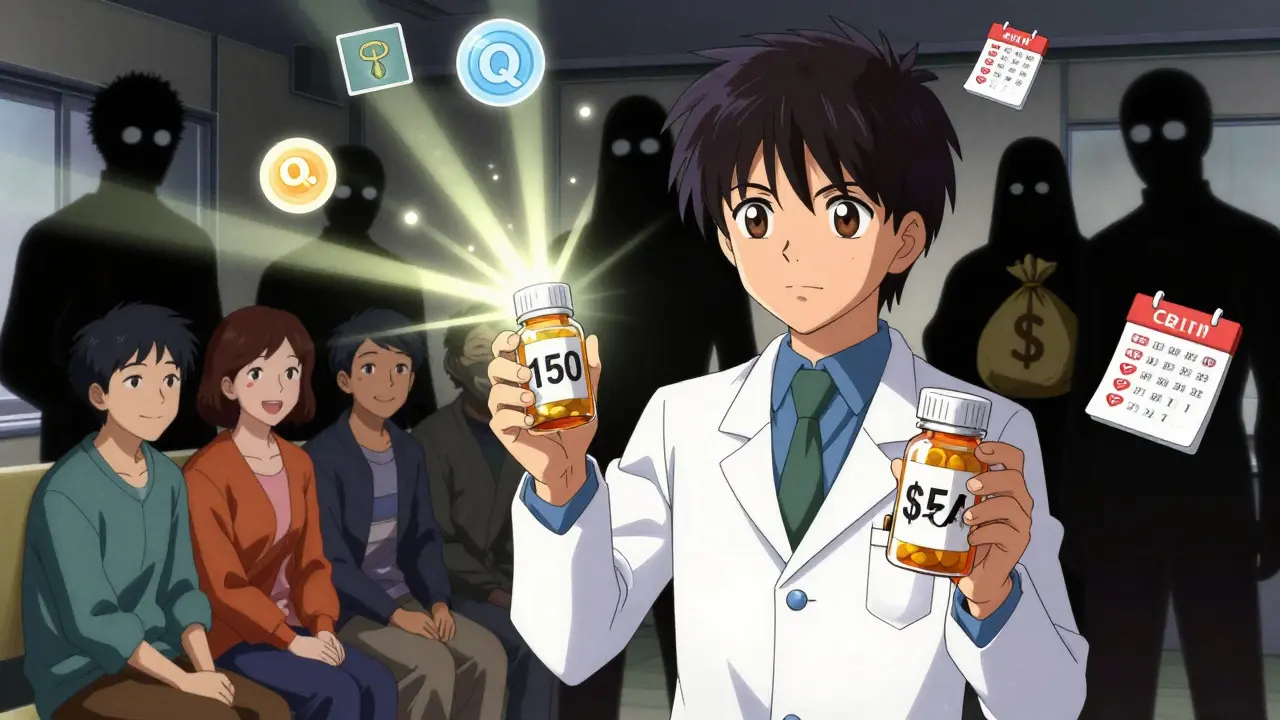
Cost-effectiveness analysis reveals how generic drugs save billions-but only if we choose the right ones. Learn why some generics cost 15x more than others and how to spot true value in prescription pricing.
How Media Coverage Shapes Public Trust in Generic Medications
Posted by Ian SInclair On 5 Jan, 2026 Comments (12)
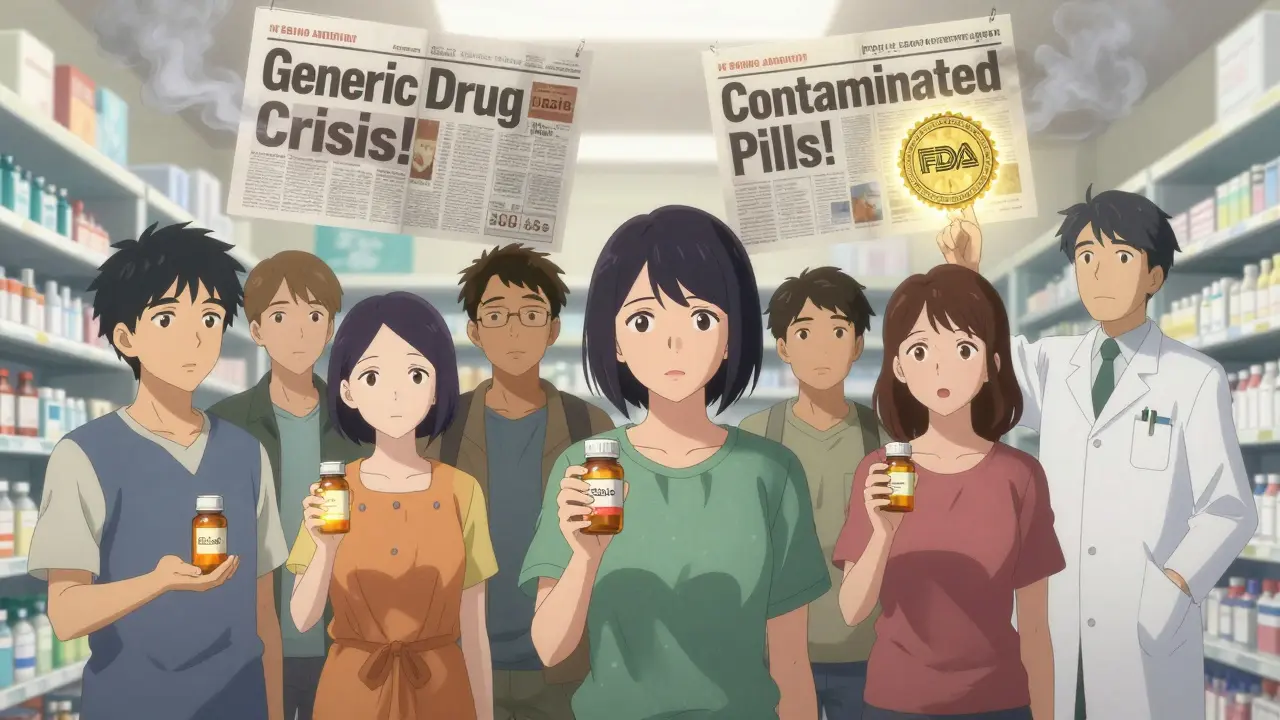
Media coverage often fuels public fear about generic drugs, despite FDA approval and scientific proof of their equivalence to brand-name medications. Learn how news stories shape perception - and what really matters for your health.
Inactive Ingredient Interactions in Generic Medication Combinations
Posted by Ian SInclair On 23 Dec, 2025 Comments (12)
Inactive ingredients in generic medications can interact when taken together, causing side effects even when active ingredients are identical. Learn how fillers, dyes, and preservatives impact safety - and what to do about it.
Modified-Release Formulations: What You Need to Know About Bioequivalence Rules
Posted by Ian SInclair On 18 Dec, 2025 Comments (0)

Modified-release formulations require special bioequivalence testing because timing and rate of drug release matter. Learn how regulators like the FDA and EMA ensure generics work the same as brand-name drugs.
Generic Drug Availability: Why Your Medicine Costs Different Around the World
Posted by Ian SInclair On 4 Dec, 2025 Comments (15)
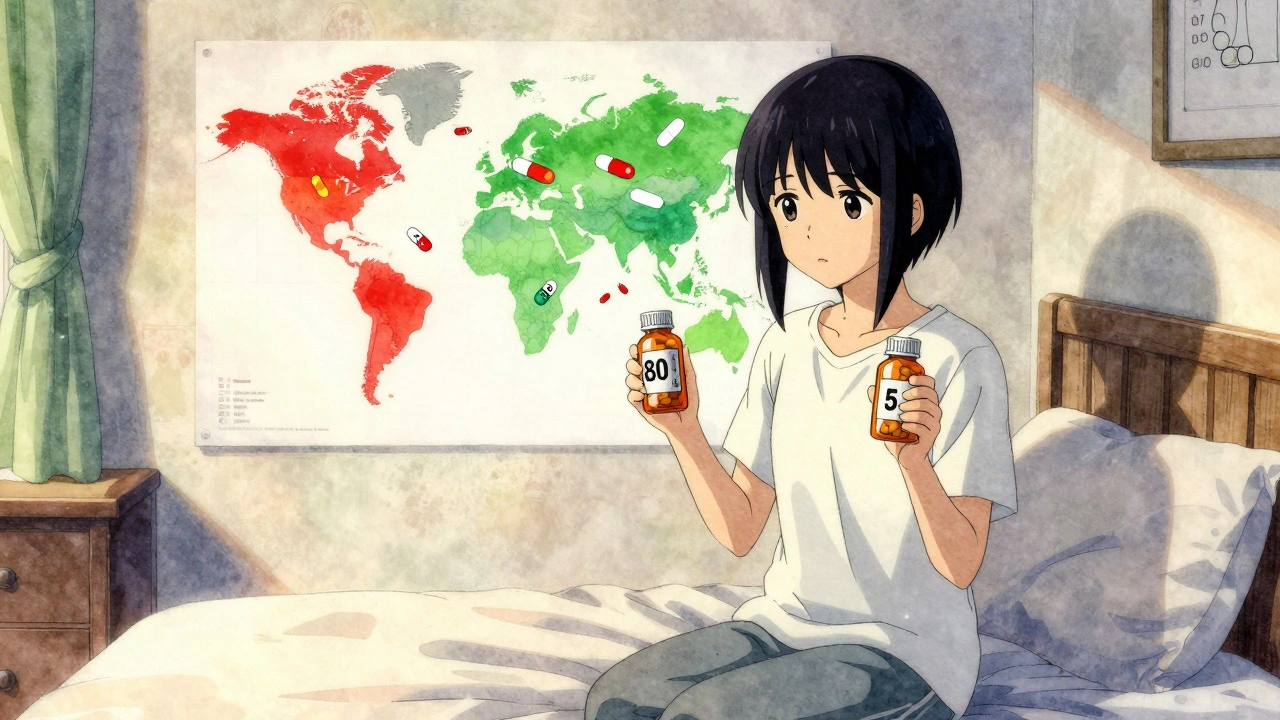
Generic drugs save money - but not everywhere. Why do prices and availability vary wildly across countries? From India's manufacturing dominance to U.S. pricing quirks, here's how global drug access really works.
Generic Drug Concerns: Myths vs. Reality for Safety and Efficacy
Posted by Ian SInclair On 27 Nov, 2025 Comments (8)

Generic drugs are just as safe and effective as brand-name drugs for most people, with 90% of U.S. prescriptions filled with generics. Learn the truth behind myths, when to be cautious, and how to ensure your medication works as expected.