Category: Medication Guides - Page 2
How to Carry Backup Prescriptions and Digital Copies Securely While Traveling
Posted by Ian SInclair On 12 Feb, 2026 Comments (14)
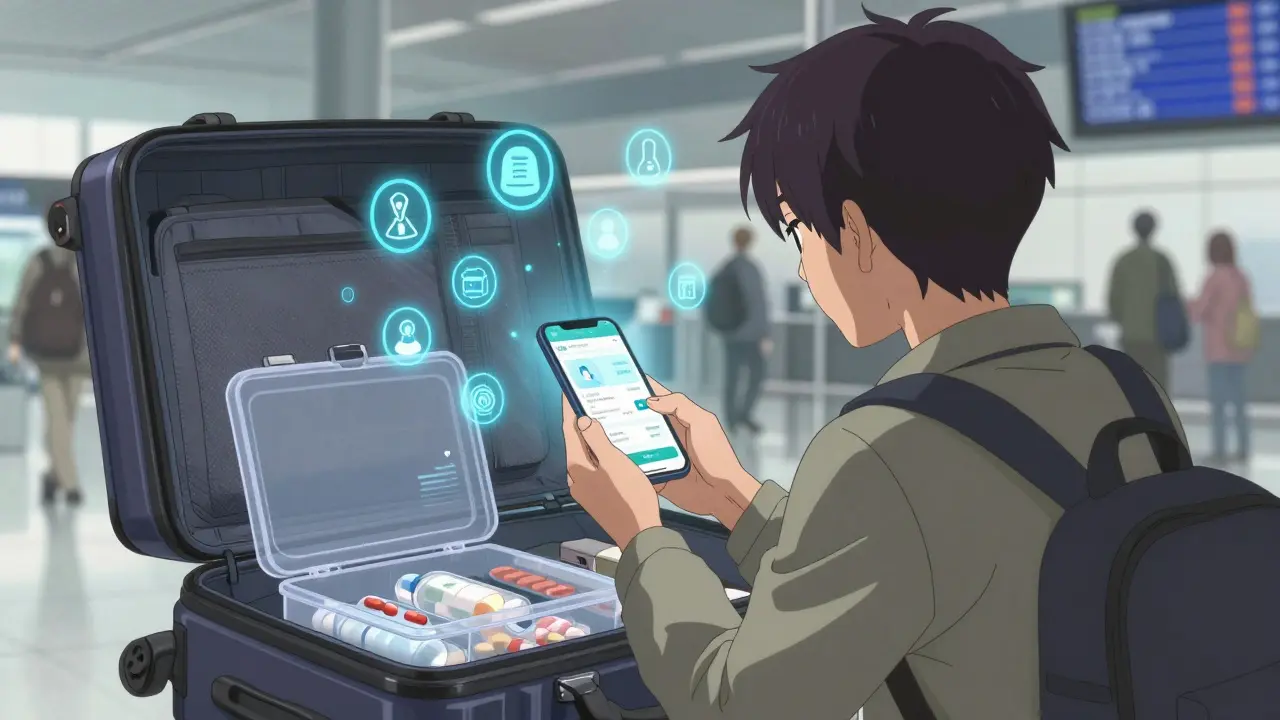
Learn how to securely carry backup prescriptions and digital copies while traveling-avoid common mistakes, use encrypted pharmacy apps, and protect your meds from theft or misuse.
Neuropathic Pain: Gabapentin vs Pregabalin - What Works Best?
Posted by Ian SInclair On 10 Feb, 2026 Comments (12)
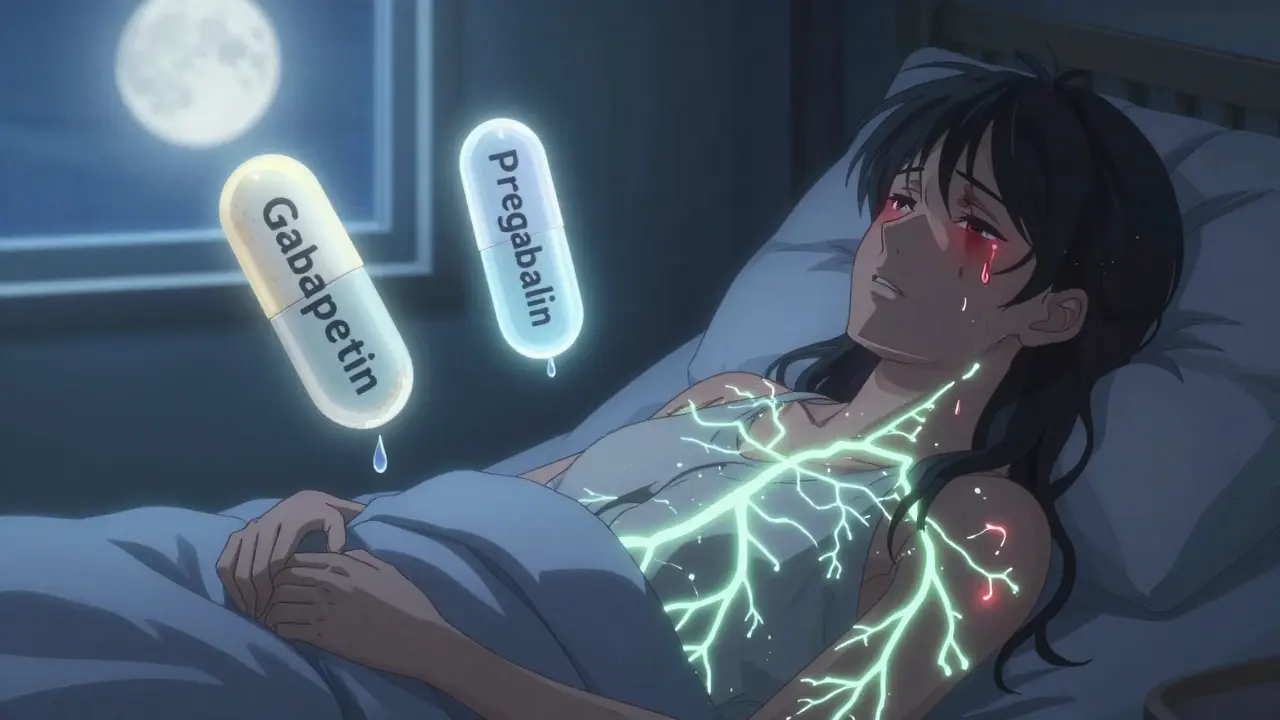
Gabapentin and pregabalin are two leading treatments for neuropathic pain. Learn how they differ in effectiveness, dosing, cost, and side effects - and which one may be right for you.
Medicare Part D Formularies: How Generic Drug Coverage Works in 2026
Posted by Ian SInclair On 4 Feb, 2026 Comments (13)

Medicare Part D covers 92% of prescriptions as generics. Learn how formulary tiers, out-of-pocket costs, and the $2,100 cap work in 2026 to save on prescriptions.
Mood Stabilizers: Lithium, Valproate, and Carbamazepine Interactions Explained
Posted by Ian SInclair On 3 Feb, 2026 Comments (14)
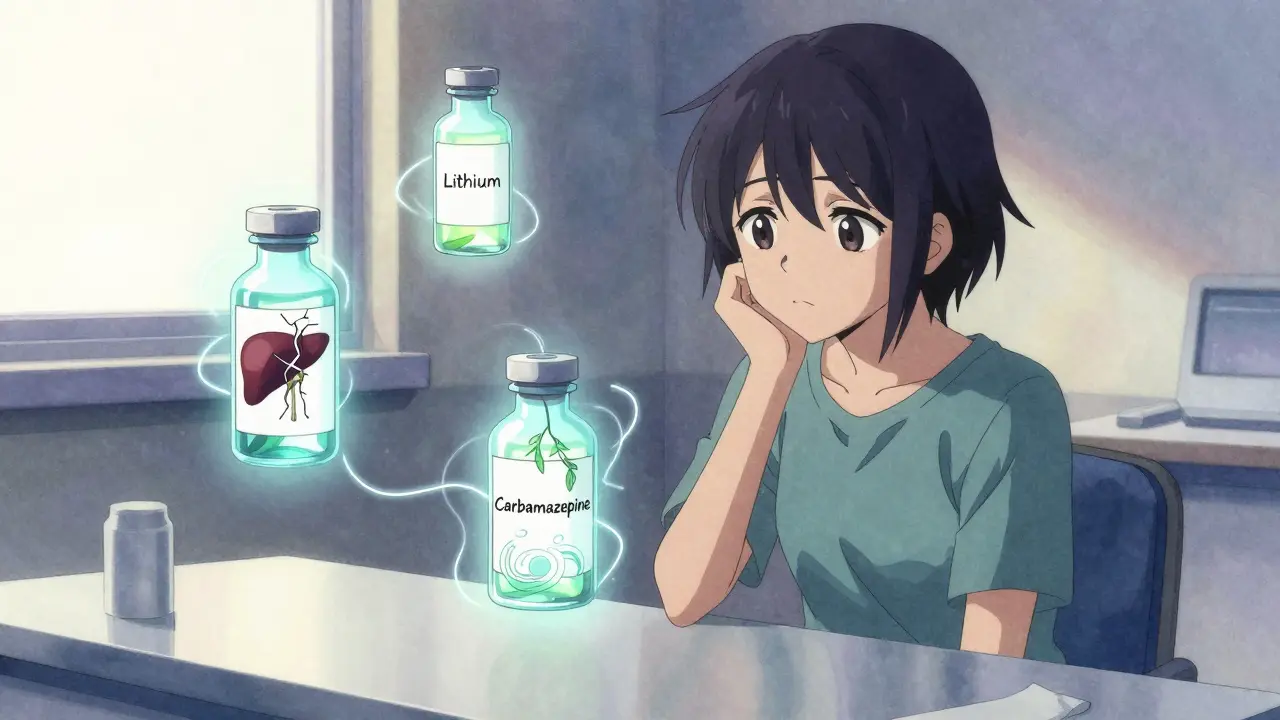
Lithium, valproate, and carbamazepine are key mood stabilizers for bipolar disorder, but their interactions can be dangerous. Learn how each drug behaves differently in the body and what medications to avoid to prevent toxicity or treatment failure.
Corticosteroids and Diabetes: How Steroids Cause High Blood Sugar and How to Manage It
Posted by Ian SInclair On 1 Feb, 2026 Comments (15)
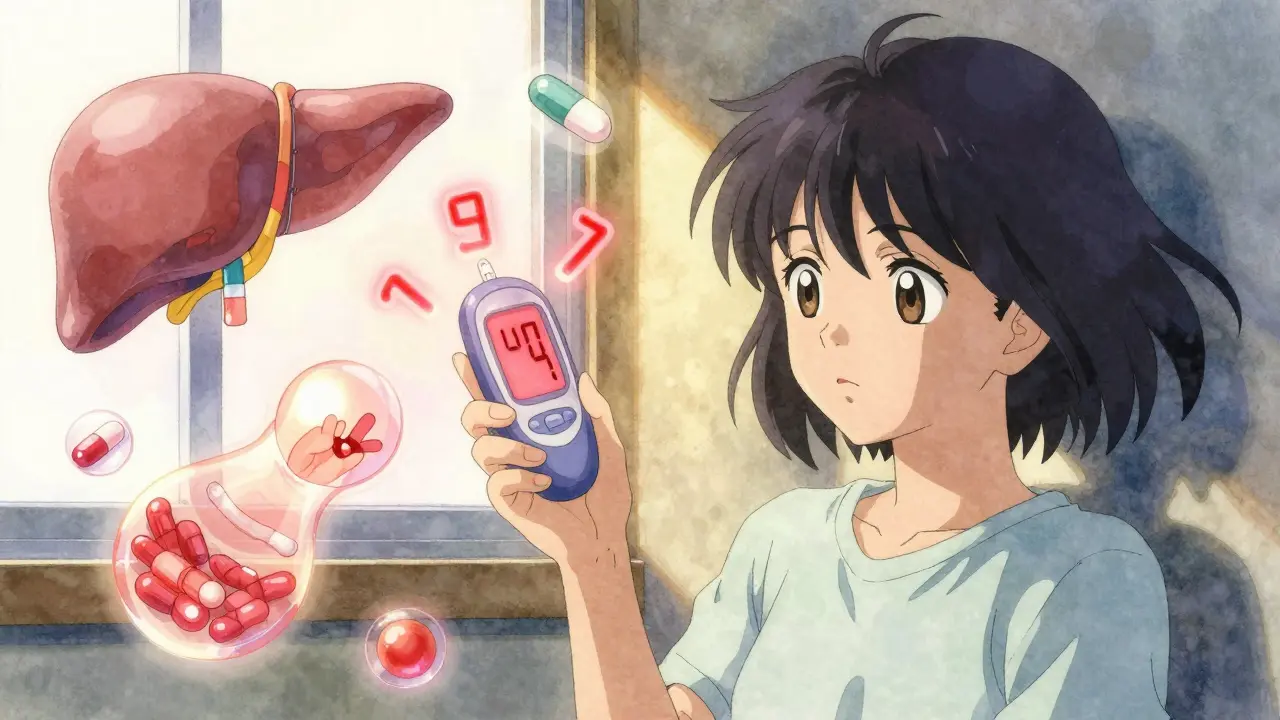
Corticosteroids like prednisone can cause dangerous spikes in blood sugar, even in people without diabetes. Learn how steroids trigger hyperglycemia, who’s at risk, and how to manage it with insulin and monitoring.
Morning Coffee and Levothyroxine: How to Space Doses for Better Absorption
Posted by Ian SInclair On 27 Jan, 2026 Comments (13)

Drinking coffee too soon after taking levothyroxine can cut absorption by up to 57%. Learn how to space your doses, why liquid formulations work better, and what to do if your symptoms won't improve.
How to Audit Your Medication Bag Before Leaving the Pharmacy: A Simple 7-Step Safety Check
Posted by Ian SInclair On 25 Jan, 2026 Comments (10)
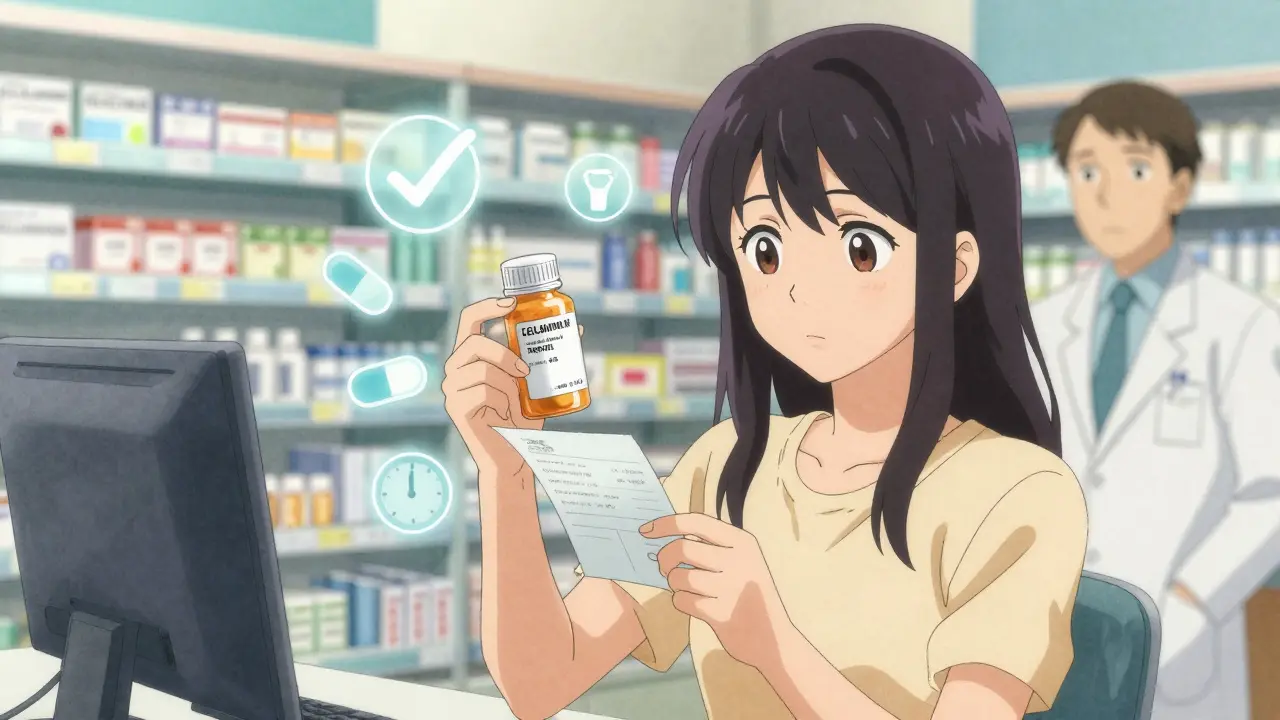
Learn the 7 simple steps to audit your medication bag before leaving the pharmacy to prevent dangerous errors. A proven, life-saving habit that takes just 30 seconds.
Long-Term Antihistamine Use: Why Your Allergy Med Might Seem to Stop Working
Posted by Ian SInclair On 22 Jan, 2026 Comments (13)
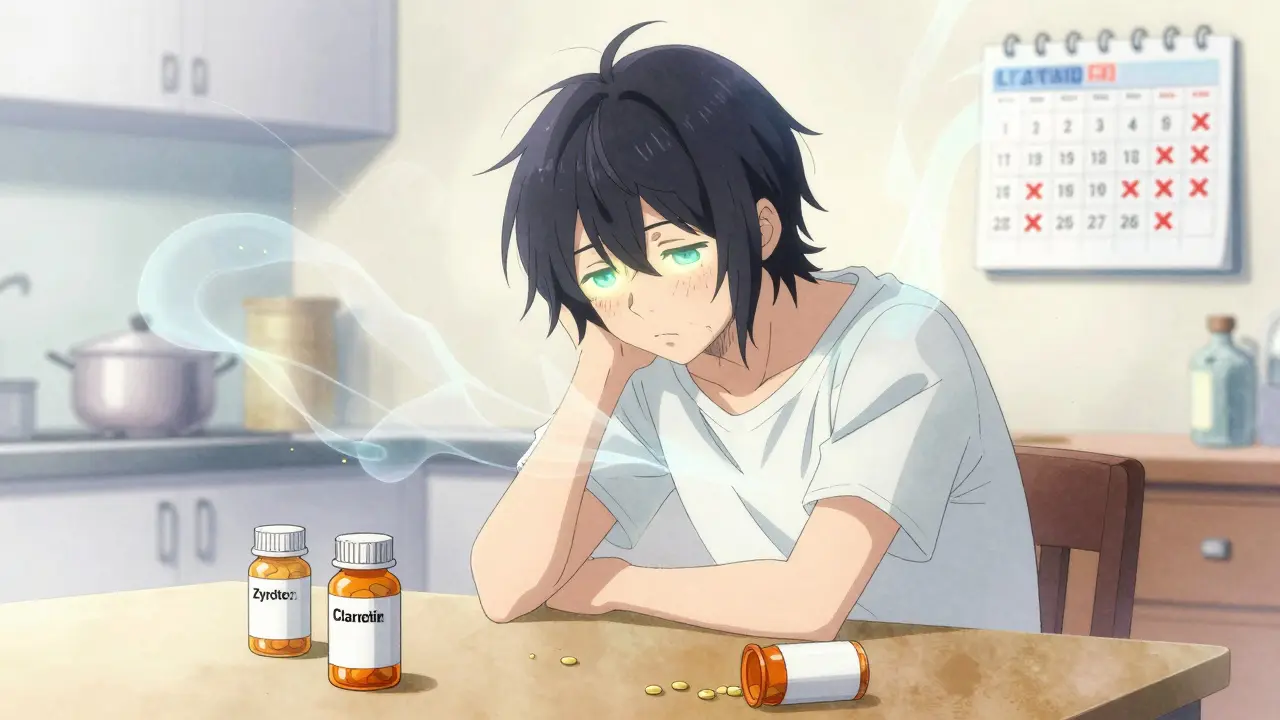
Many people feel their antihistamines stop working after months of use - but it's rarely true tolerance. Learn why your allergy meds seem less effective and what actually works when they don't.
Safe Home Disposal of Chemotherapy Medications: Step-by-Step Guide for Patients and Families
Posted by Ian SInclair On 20 Jan, 2026 Comments (10)
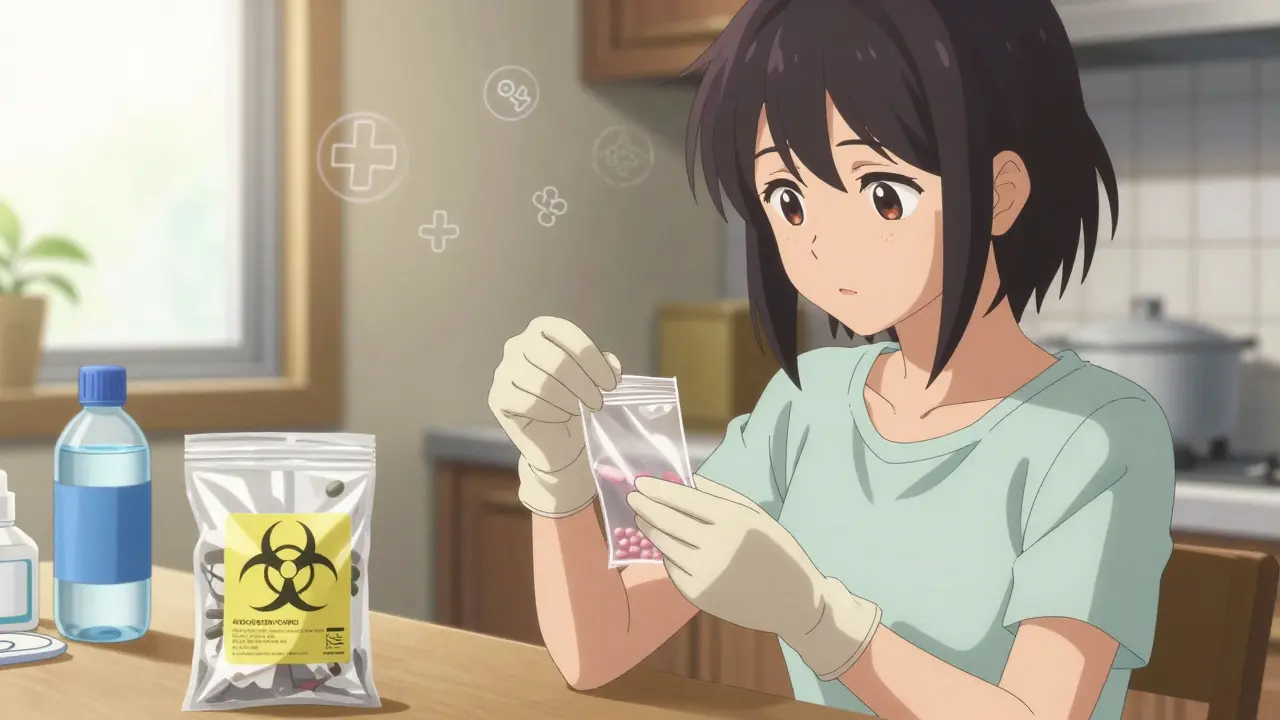
Learn how to safely dispose of chemotherapy drugs at home with step-by-step instructions. Avoid dangerous mistakes like flushing or single-bagging. Protect your family and the environment with proven protocols.
Gout Flares: Colchicine, NSAIDs, and Steroids Compared
Posted by Ian SInclair On 19 Jan, 2026 Comments (10)

Learn how colchicine, NSAIDs, and steroids compare for treating gout flares - effectiveness, safety, dosing, and who should use what. Get clear, practical advice based on current guidelines.



![Alkeran (Melphalan) Guide: Uses, Dosage, Side Effects, Safety [2025]](/uploads/2025/08/thumbnail-alkeran-melphalan-guide-uses-dosage-side-effects-safety.webp)